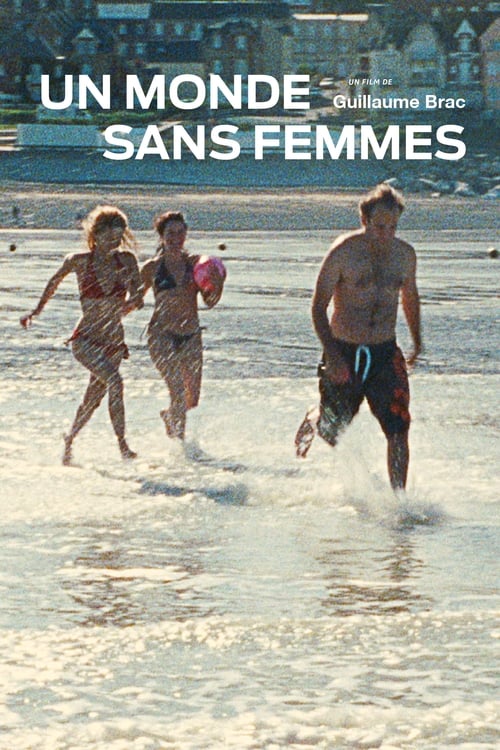
A World Without Women
2012
No user ratings available yet
Diversity score: 3.9 out of 10
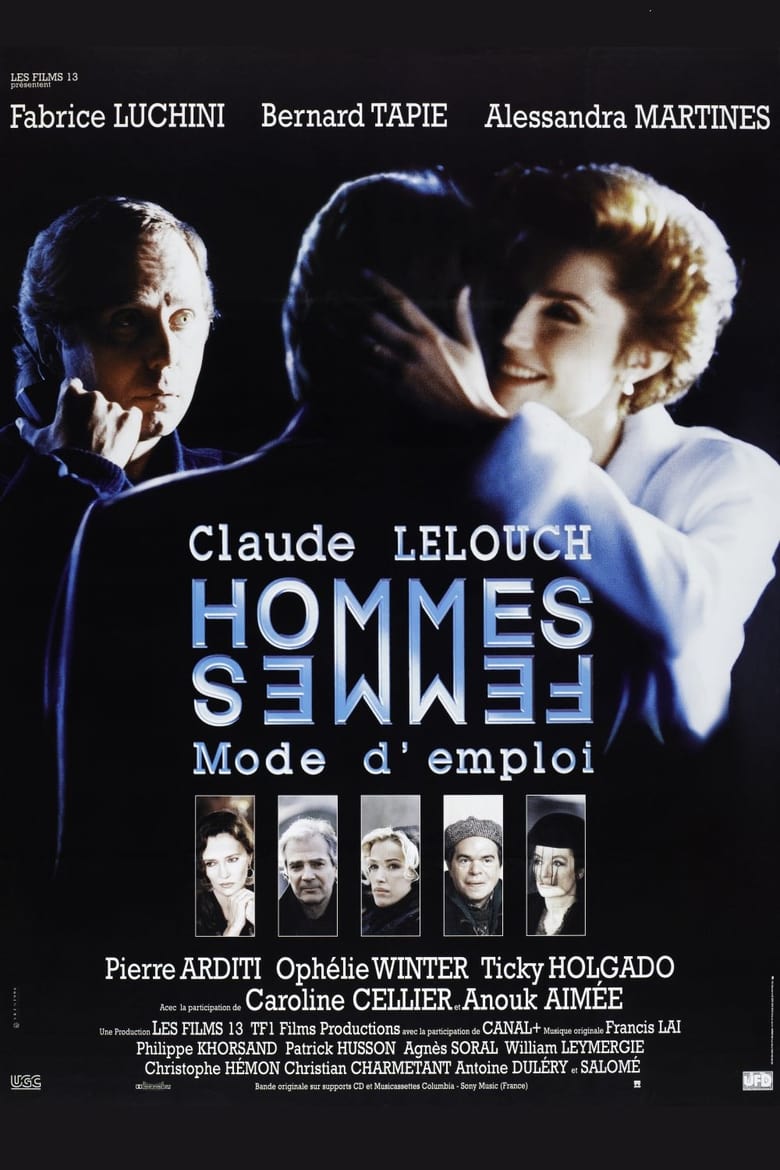
1996
Director
Claude Lelouch
Runtime
122 minutes
Average Rating
No ratings yetSynopsis
Benoit Blanc loves living, he loves women, he loves daring. He is a famous businessman who suffers from stomach-ache. Fabiolini, a would-be actor, is a policeman and he too suffers from the same sickness. The two man face suffering in opposite ways: Benoit Blanc is optimistic while Fabiolini, always unsure of himself, is persuaded he is seriously ill. The two men meet by chance while doing a gastroscopy and become friends. After having known their real different conditions, they will change and will understand better their lives. Around them, other people, women and men, will see their lives changed, by chance, by love or solely by the life stream.
Overall Score
Fair
Category Breakdown
LGBTQ+ Representation
The film centers on heteronormative courtship and companionship. There is no evidence of same-sex intimacy or non-cisnormative identities driving the plot.
Gender Representation
The narrative explores gendered communication through an episodic structure. It deconstructs traditional expectations by examining how men and women navigate interpersonal interactions.
Racial & Ethnic Diversity
The production reflects the demographic landscape of mid-90s France. The cast appears to lack a broad spectrum of ethnic diversity, focusing instead on specific character studies.
Religious & Cultural Diversity
The story prioritizes subjective human experience and individual connection over rigid institutional morality. It functions as a humanist observation of contemporary life.
Disability Representation
Physical ailments like stomach aches serve as catalysts for character connection. These medical issues act as narrative devices for vulnerability rather than deep explorations of disability.
Strengths
Areas for Improvement
AI Analysis
Claude Lelouch’s film is a character-driven study that prioritizes the nuances of human connection. It uses an episodic structure to offer a multifaceted look at how genders interact, moving away from a monolithic view of courtship. However, the work remains rooted in traditional European cinematic tropes. It lacks the intersectional complexity or intentional subversion of demographic hierarchies needed for a more progressive score. Ultimately, the film functions as a humanist exploration of interpersonal dynamics rather than a vehicle for social or identity-based critique.
2012
2001
2013
2007

2009
2004

2004
1993

2001

2007

2011
2001
No reviews yet. Be the first to share your thoughts on this movie!
Use the rating form above to leave a star rating and optional review.