
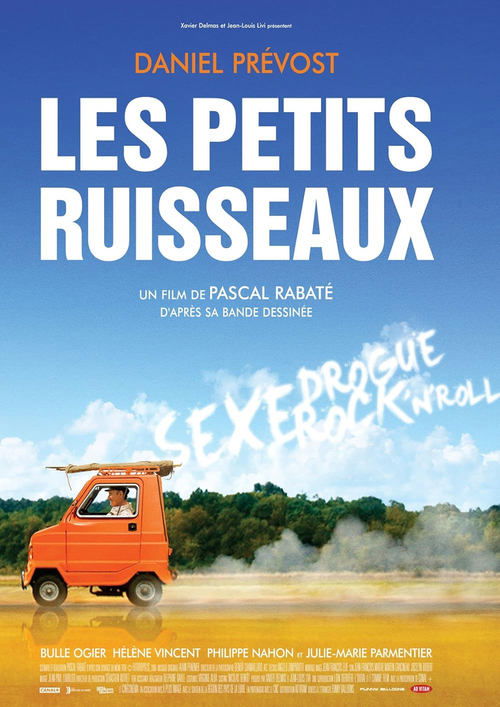
Conversations with My Gardener
2007
No user ratings available yet
Representation score: 4.2 out of 10
Representation Score
Good
2010
Director
Pascal Rabaté
Runtime
94 minutes
Average Rating
No ratings yetNew Showbiz Analysis
Wandering Streams examines the concept of late-life ability to act, challenging the cinematic stereotype of passive, stagnant elderly individuals. By highlighting the unexpected vitality and personal autonomy of its main characters, the film disrupts conventional expectations about aging. Although the film does not extensively explore racial or LGBTQ+ identities, it finds progressive value in its portrayal of late-life sexuality and digital engagement as empowering experiences rather than sources of shame. Ultimately, the work succeeds by emphasizing individual autonomy over the maintenance of traditional social norms, providing a nuanced perspective on aging and personal exploration.
Category Breakdown
The film does not explicitly include LGBTQ+ identities or non-cisgender expressions. However, it explores non-traditional lifestyles and challenges the stereotype of respectful elders through sexual freedom.
The movie disrupts traditional gender roles by showing contemporary women with significant sexual ability to act and digital skills. It avoids the cliché of older women being confined to secondary, domestic, or caregiving roles.
The film appears to focus on a localized French setting with no indication of a diverse cast. The narrative centers on a homogeneous social environment.
The film questions strict moral structures by depicting taboo interests such as pornography and online dating as valid forms of personal freedom. It emphasizes individual autonomy over traditional social norms.
There is no specific mention of physical or neurodivergent disabilities in the film. The story focuses on the psychological aspects of aging without making disability a central theme.
Present on Screen
Limited or Absent
Official Synopsis
Emile is a 70-ish former horticulturalist who once raised bonsai trees "because they don't take up too much room." Indeed, his whole existence is safe and uneventful to a fault, somewhat juiced by friendship with raucous fishing companion Edmond. Still, they trade pleasantries rather than confidences -- so Emile is shocked when it turns out his elderly pal watches porn, paints nudes and shags women who are his contemporaries that he meets online.
2007
2017
2017
2013
2017

2006
2004
2011
No reviews yet. Be the first to share your thoughts on this movie!
Use the rating form above to leave a star rating and optional review.