
Jake Shimabukuro: Life on Four Strings
2012
No user ratings available yet
Representation score: 3.1 out of 10
Representation Score
Fair
2019
Director
Helen Qin
Runtime
91 minutes
Average Rating
No ratings yetNew Showbiz Analysis
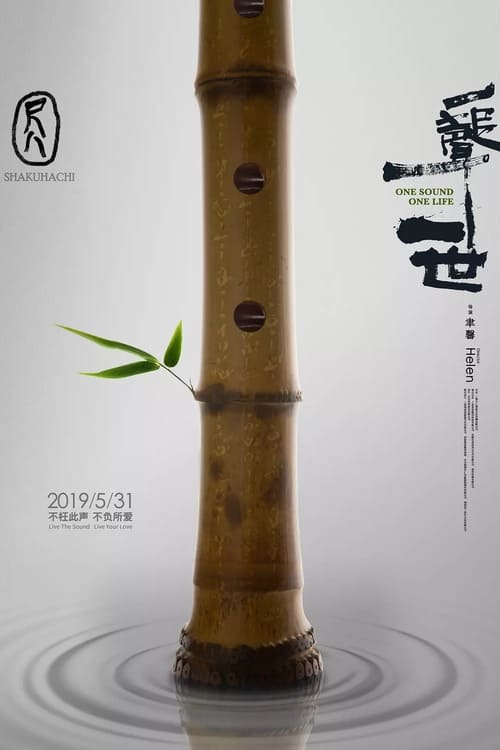
Shakuhachi: One Sound One Life is a transnational documentary that effectively traces the spread of cultural practices across borders. Through its exploration of the shakuhachi from China and Japan to the United States, the film offers a sophisticated view of global heritage and ethnic diffusion. While the film excels in providing a nuanced, non-Western perspective, it remains primarily focused on the technical and ethnographic aspects of the instrument. It does not delve into personal identity politics or social subversion, which are often themes in contemporary scripted media. Ultimately, the documentary stands as a meaningful cultural document. It promotes internationalism through its examination of how traditional art forms evolve within a globalized context.
Category Breakdown
The film focuses on the technical and spiritual aspects of the shakuhachi. It does not address the sexual orientation or gender identities of the performers.
The documentary showcases various performers and learners within the musical community. However, it does not explicitly aim to break down traditional gender roles.
The narrative follows the shakuhachi from China to Japan and then to the United States. This global perspective highlights the instrument’s journey across cultures, challenging narrow views of cultural history.
The film centers on East Asian musical traditions and their evolution. By emphasizing non-Western practices, it provides a counterpoint to Western classical music dominance.
The film does not mention any performers or subjects with visible or invisible disabilities.
Present on Screen
Limited or Absent
Official Synopsis
The shakuhachi is a famous Japanese lbamboo-flute. It was originally introduced from China into Japan in the 7th century and underwent a resurgence in the early Edo period. The film records the life of the shakuhachi performers, controllers, and learners in China, Japan, the United States
2012
1999
2011
2004
2006
2017
1992

2008
No reviews yet. Be the first to share your thoughts on this movie!
Use the rating form above to leave a star rating and optional review.