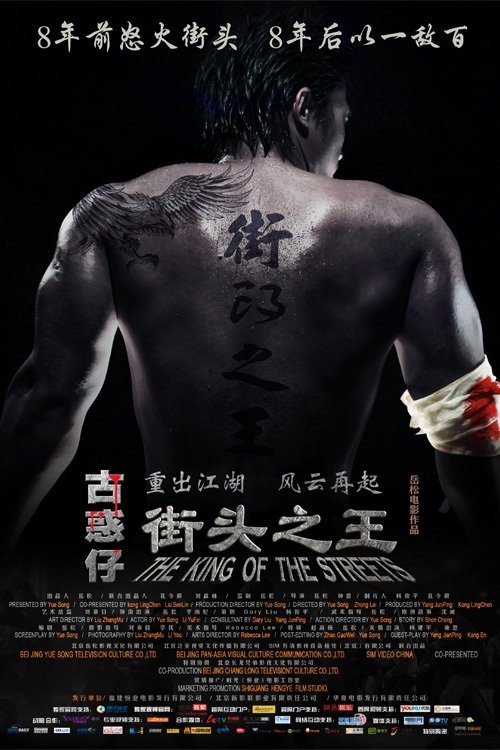
The King of the Streets
2012
No user ratings available yet
Diversity score: 3.9 out of 10
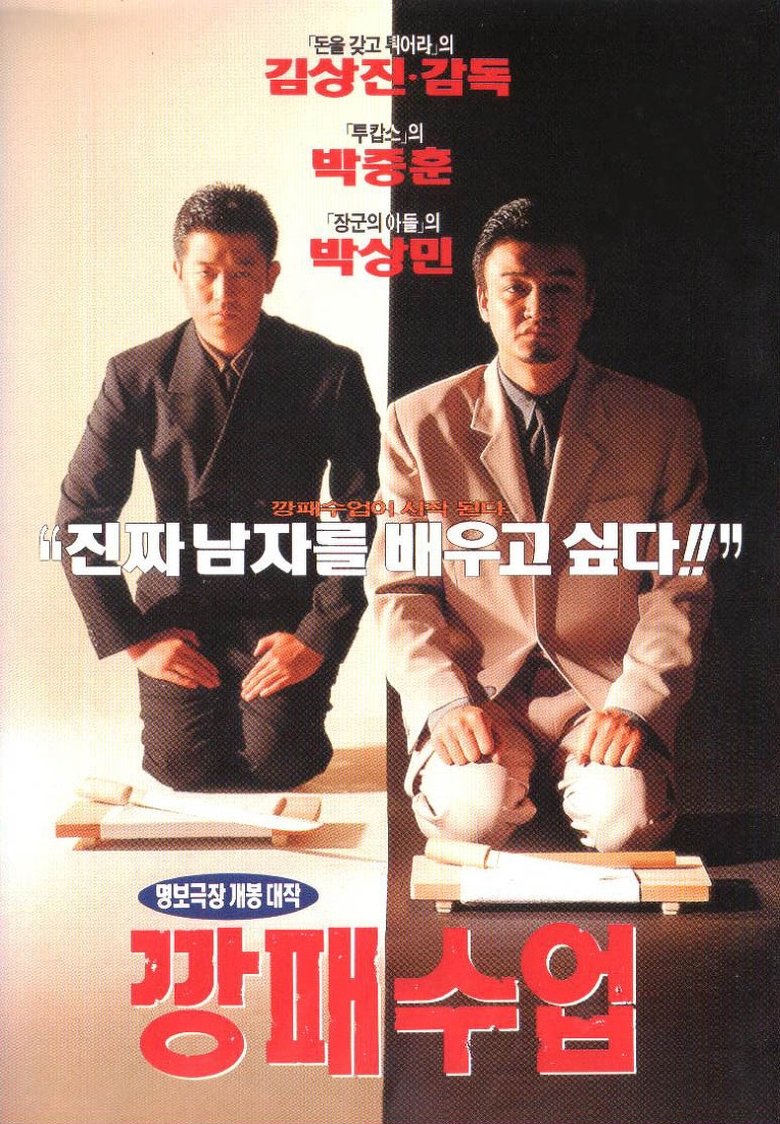
1996
18Director
Kim Sang-jin
Runtime
108 minutes
Average Rating
No ratings yetSynopsis
Sung-chul (Park Joong-hoon), a Korean gangster, flees to Japan after killing a subordinate. On the flight, He-gu (Park Sang-min), an aspiring bartender, discovers his true identity and is forced to act as his guide. Despite multiple betrayals and brushes with death, the two form an uneasy bond. As Sung-chul rises through the ranks of the yakuza, He-gu too is drawn into the criminal underworld. Clumsy but determined, He-gu survives power struggles, betrayal, and heartbreak—only to make reckless decisions that ultimately lead to chaos. In the end, Sung-chul is ordered to eliminate He-gu. At the seaside, after one final plea for mercy, He-gu is shot dead by Sung-chul, who walks away silently.
Overall Score
Limited
Category Breakdown
LGBTQ+ Representation
The film centers on a masculine bond between Sung-chul and He-gu. This relationship is defined by criminal entanglement and survival rather than queer identity or non-heteronormative themes.
Gender Representation
The story is driven almost entirely by male agency and power struggles. There is a notable absence of female characters in positions of influence, reinforcing a traditional patriarchal hierarchy.
Racial & Ethnic Diversity
A cross-cultural dynamic exists as a Korean protagonist navigates the Japanese underworld. However, the focus remains on ethnic friction between these two groups rather than a multi-ethnic ensemble.
Religious & Cultural Diversity
The narrative explores a world of subjective morality and nihilism. It depicts a cycle of betrayal and violence without offering a systemic critique of social or political institutions.
Disability Representation
The available narrative details provide no information regarding characters with physical, sensory, or neurodivergent disabilities.
Strengths
Areas for Improvement
AI Analysis
The film operates strictly within the established tropes of mid-90s South Korean noir. It prioritizes masculine-driven conflict and the fatalism of the criminal underworld over progressive representation or the subversion of social hierarchies. While the transnational setting provides a layer of ethnic tension between Korean and Japanese characters, the film lacks intersectional depth. The narrative architecture remains centered on traditional gender roles and conventional power structures. Ultimately, the work functions as a genre-specific action drama. It focuses on individual agency and survival rather than challenging systemic inequities or providing diverse perspectives.
2012
1998
1992
1968
1985
1992
1967
1972
1989
1998
2001
1990
No reviews yet. Be the first to share your thoughts on this movie!
Use the rating form above to leave a star rating and optional review.