
Hero
2007
No user ratings available yet
Representation score: 5.7 out of 10
Representation Score
Limited
2019
Director
Katsuo Fukuzawa
Runtime
119 minutes
Average Rating
No ratings yetNew Showbiz Analysis
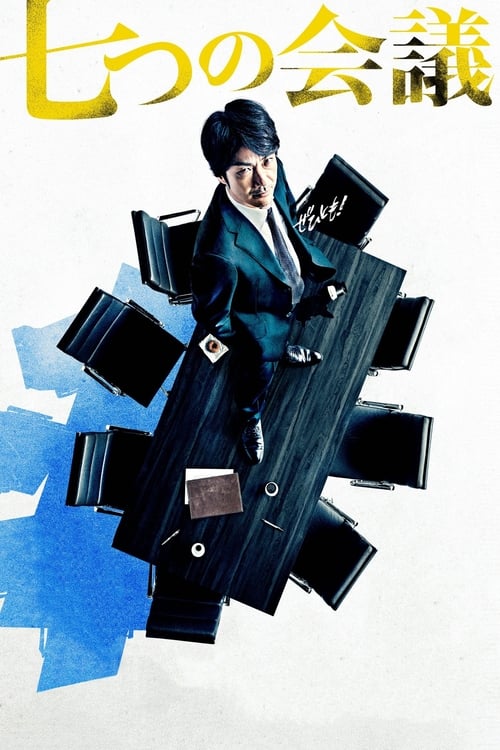
Whistleblower (2019) prioritizes a critique of institutional power over diverse identity representation. The film focuses on corporate intrigue, highlighting the conflict between individual morality and systemic corruption. The narrative structure centers on the salaryman experience, limiting the scope of diverse representation. While it effectively critiques the stability of corporate capitalism, it does so through a lens of ethical conflict rather than social diversity. Ultimately, the film is a localized exploration of domestic power structures. It succeeds in its thematic goal of exposing institutional rot but offers little visibility for underrepresented identities.
Category Breakdown
The film does not include any explicit LGBTQ+ characters or narratives. The storyline focuses on traditional professional hierarchies.
The story centers around male-dominated salaryman roles. Although Aki Asakura is a prominent cast member, the themes revolve around traditional corporate roles.
The cast is uniform, reflecting a specific Japanese corporate environment. It functions as a localized study of domestic power structures without diverse ethnic representation.
The narrative excels at critiquing institutional corruption by focusing on business ethics and cover-ups. It challenges the sanctity of institutions by portraying them as sites of corruption.
There is no discernible portrayal of physical or neurodivergent disabilities within the film.
Present on Screen
Limited or Absent
Official Synopsis
A seemingly lazy salaryman is tasked with managing a company secret.
2007

2008

2020
2017

2016

2018

2018
2023
No reviews yet. Be the first to share your thoughts on this movie!
Use the rating form above to leave a star rating and optional review.