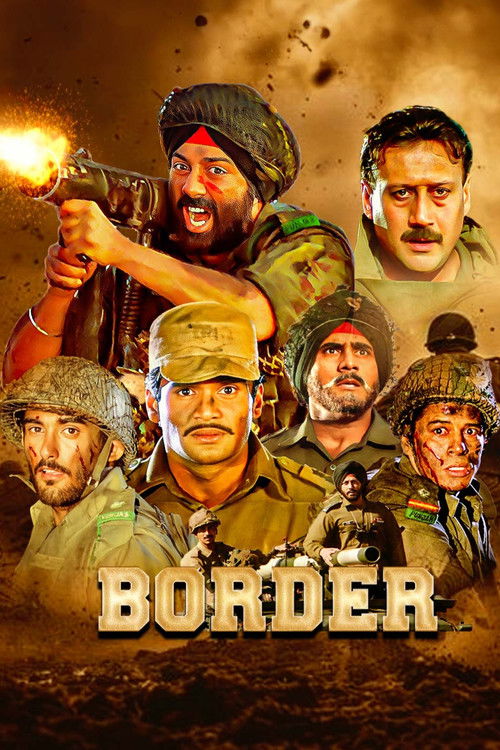
Border
1997
No user ratings available yet
Representation score: 1.1 out of 10
Representation Score
Limited
2003
Not RatedDirector
J. P. Dutta
Runtime
255 minutes
Average Rating
No ratings yetNew Showbiz Analysis
LOC: Kargil is a traditionalist war epic that prioritizes nationalistic cohesion and established social hierarchies. The film's structure reinforces the military and the nation-state rather than challenging them. While the film captures the ethnic breadth of the Indian military, it lacks meaningful representation regarding gender subversion or LGBTQ+ inclusion. The narrative relies on conventional power dynamics and traditionalist values. Ultimately, the film serves as a study of state-sanctioned heroism, where diversity is viewed through the lens of national unity rather than individual identity politics.
Category Breakdown
The film focuses solely on straight relationships and traditional gender roles, with no representation of LGBTQ+ identities or same-sex intimacy.
The story centers around male soldiers, emphasizing their combat roles and ability to act. Female characters are mostly portrayed as domestic figures or emotional support for the male protagonists.
The cast includes a variety of ethnicities reflecting the Indian Armed Forces. However, these diverse identities are framed through the lens of national unity rather than highlighting multiple aspects of identity.
The film emphasizes traditional views of state sovereignty and military service. It portrays a clear distinction between state defenders and aggressors, promoting the sanctity of national borders.
Characters with physical injuries are used primarily as plot devices to highlight the costs of war. These characters lack independent ability to act, as injury is used mainly to emphasize sacrifice.
Present on Screen
Limited or Absent
Official Synopsis
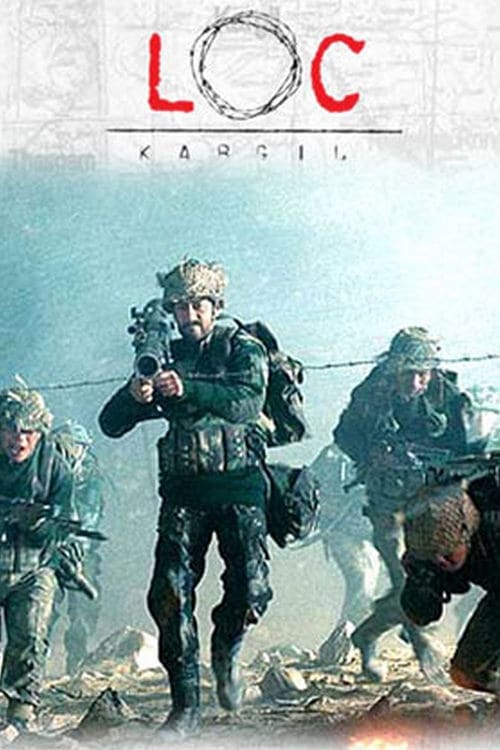
This film dramatizes events that occurred as the hostility between India and Pakistan over Kashmir came to a head in 1999, when more than 1,000 men crossed the "Line of Control" that separates the two locations. Taliban and Pakistani soldiers took over the area, blocking the main road that linked the regions. Standing their ground, Indian soldier drove them away, but not without losing more than 400 of their own men first.
1997
2019

2012
1964
2018
2005
2021

2020
No reviews yet. Be the first to share your thoughts on this movie!
Use the rating form above to leave a star rating and optional review.