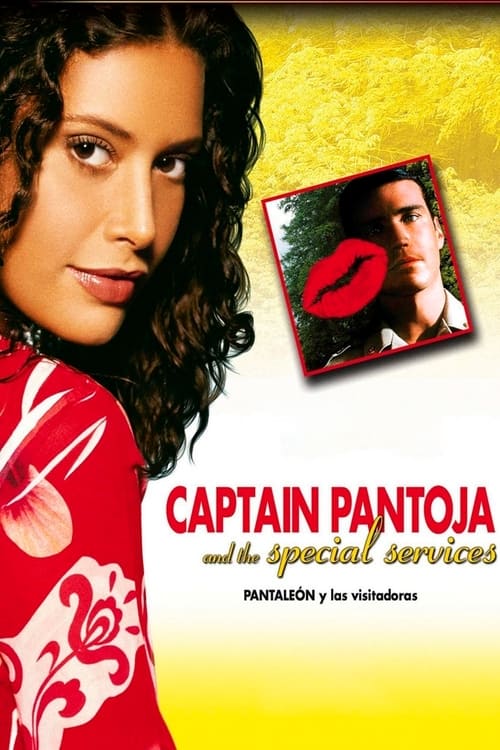
Captain Pantoja and the Special Services
1999
No user ratings available yet
Diversity score: 5.9 out of 10
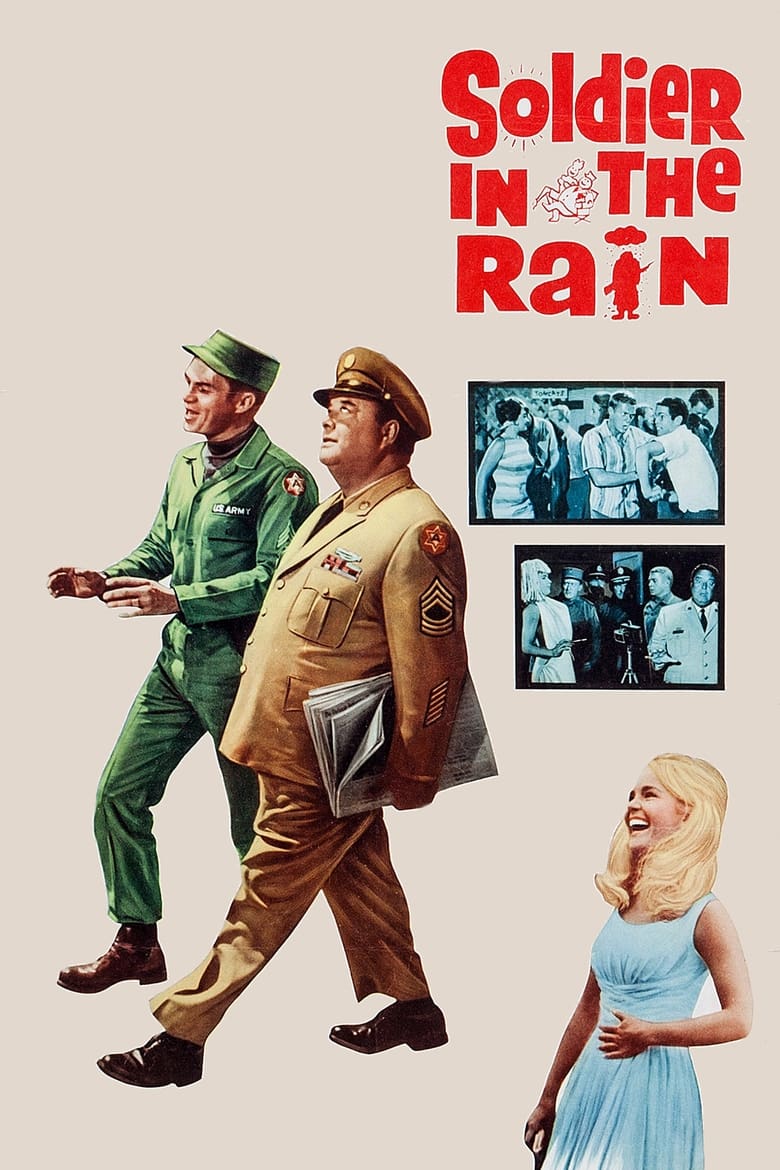
1963
NRDirector
Ralph Nelson
Runtime
88 minutes
Average Rating
No ratings yetSynopsis
Maxwell Slaughter is a kind, heavyset guy who has reached the rank of master sergeant in the army. Admired by handsome young Sgt. Eustis Clay, Slaughter forms a close bond with his peer. Clay hopes to convince Slaughter to join him in a business venture outside of the service, but, in the meantime, he introduces the older officer to the beautiful young Bobby Jo Pepperdine, inadvertently creating trouble for both men.
Overall Score
Fair
Category Breakdown
LGBTQ+ Representation
The film lacks LGBTQ+ characters or non-heteronormative identities. The central romantic arc remains strictly heteronormative, focusing on the relationship between the protagonist and the female lead.
Gender Representation
The narrative subverts rigid masculinity by emphasizing the protagonist's emotional vulnerability. While the female lead shows significant agency and resilience, the core romantic structure stays within traditional bounds.
Racial & Ethnic Diversity
Set in the 1940s South, the film engages with the systemic realities of racial segregation. It prioritizes the depiction of racial prejudice and the friction caused by social hierarchies.
Religious & Cultural Diversity
The story critiques traditional Southern social structures and the corruption within local customs. It frames regional authority through a lens of systemic tension rather than inherent virtue.
Disability Representation
There are no prominent depictions of visible or invisible disabilities that serve as central narrative drivers.
Strengths
Areas for Improvement
AI Analysis
Soldier in the Rain distinguishes itself from standard period dramas by using its historical setting to critique the systemic injustices of the American South. It refuses to present mid-century social hierarchies as inherently moral, instead framing them as sites of interpersonal conflict. The film's strength lies in its subversion of rigid masculine archetypes and its engagement with racial tension. By highlighting the friction between individual morality and societal expectations, it offers a more complex view of its era. However, the film is limited by a lack of LGBTQ+ representation and the absence of disability narratives. The romantic elements remain firmly within traditional, heteronormative structures.
1999
1959
1950

1971
1962
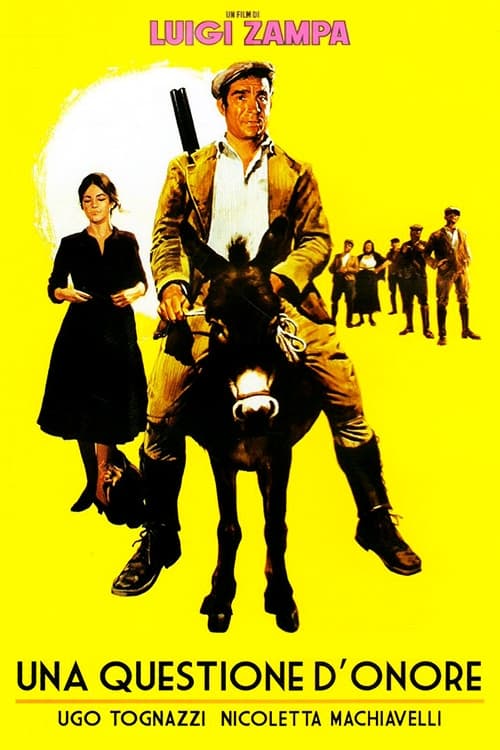
1966
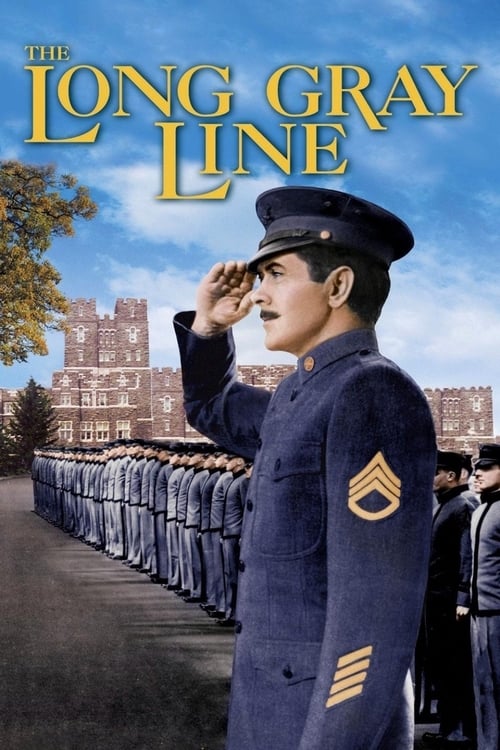
1955
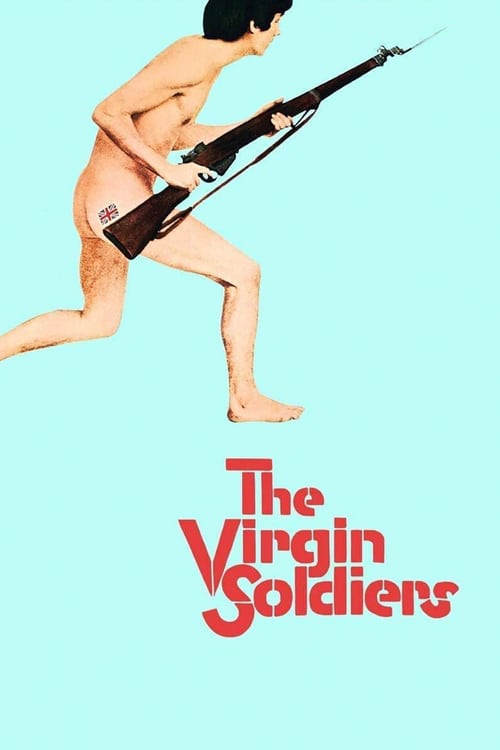
1969
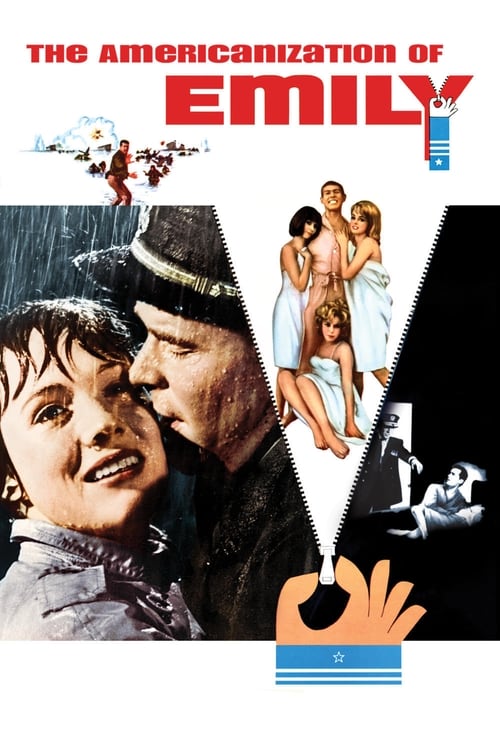
1964
1975
1953
1983
No reviews yet. Be the first to share your thoughts on this movie!
Use the rating form above to leave a star rating and optional review.