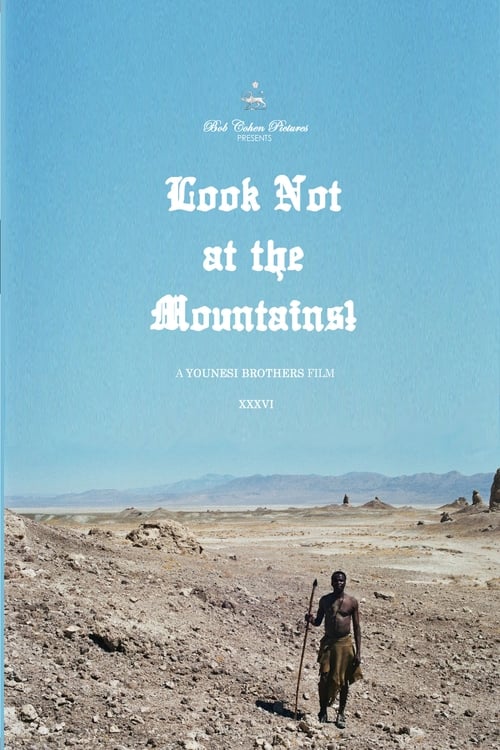
Look Not at the Mountains!
2011
No user ratings available yet
Representation score: 2.0 out of 10
Representation Score
Fair
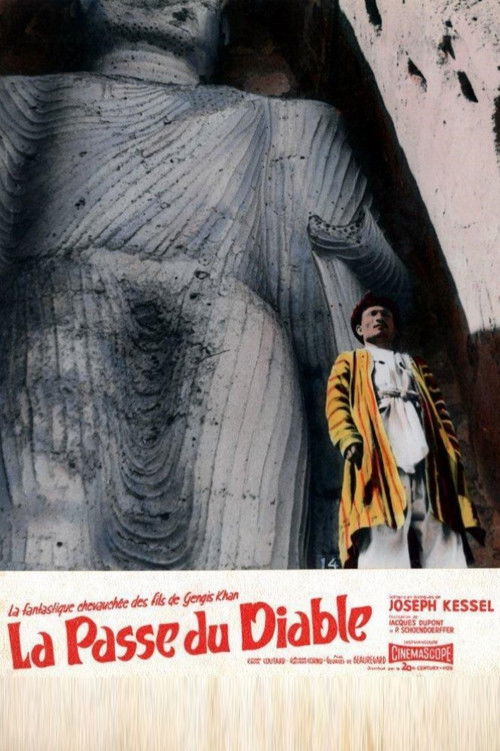
1959
Director
Jacques Dupont, Pierre Schoendoerffer
Runtime
81 minutes
Average Rating
No ratings yetNew Showbiz Analysis
The Devil's Pass serves as a mid-century adventure that offers significant regional texture. By centering an Afghan narrative and the cultural practice of buzkashi, the film provides a degree of ethnic ability to act that moves beyond mere including someone from a minority group without giving them real depth. However, the film operates within the social and gender frameworks typical of its production era. The focus remains on male-driven plots and traditional hierarchies, offering cultural specificity without challenging established social norms. Ultimately, the work succeeds in providing a non-Western perspective through its setting and spiritual elements, even as it relies on conventional adventure clichés.
Category Breakdown
The film does not include explicit LGBTQ+ characters or stories. The narrative focuses on a traditional journey within a specific cultural context without addressing non-cisgender identities.
The plot centers on traditionally masculine pursuits, such as the fraternal bond and the sport of buzkashi. It follows the gender hierarchies typical of its time period.
The film engages meaningfully with Afghan protagonists and regional identity. This approach breaks away from Eurocentric storytelling by centering non-Western characters and cultural practices.
The story incorporates a localized spiritual framework, including figures like Azrael. While it explores a non-Western worldview, it follows a traditional hero's journey structure.
The film does not mention any visible or invisible disabilities in the character arcs or plot progression.
Present on Screen
Limited or Absent
Official Synopsis
Rahim's older brother Mokhi refuses to take him to Kabul's big bouzkachi game. Rahim decides to go there on his own. Guided by the angel of death, Azrael, Rahim follows a difficult path to Kabul.
2011
1959
1956
1970
2001

1975
1955

1991
No reviews yet. Be the first to share your thoughts on this movie!
Use the rating form above to leave a star rating and optional review.