
Camp 14: Total Control Zone
2012
No user ratings available yet
Representation score: 6.0 out of 10
Representation Score
Fair
2004
Director
Lisa Sleeth, Jim Butterworth, Aaron Lubarsky
Runtime
54 minutes
Average Rating
No ratings yetNew Showbiz Analysis
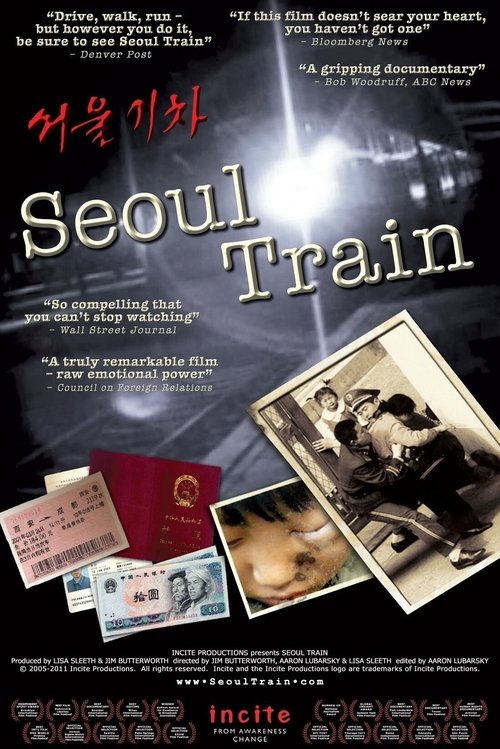
Seoul Train is a vital piece of investigative media that disrupts conventional geopolitical narratives. It succeeds by centering underrepresented ethnic identities and providing a platform for those living outside Western-aligned state protections. The film's strength lies in its sophisticated critique of traditional power dynamics. By framing the North Korean state as a corrupt institution, it utilizes a progressive journalistic architecture to examine systemic violence. However, the documentary does not engage with Western-style identity politics. It lacks specific focus on LGBTQ+ identities or intentional disability representation, keeping its scope strictly on the humanitarian crisis.
Category Breakdown
The documentary focuses on the geopolitical and humanitarian crisis of North Korean defectors. There is no evidence that LGBTQ+ identities play a central role in the narrative.
The film highlights the resilience of women who navigate extreme systemic oppression. It specifically notes the ability to act of women facing unique vulnerabilities during their transit.
The narrative is built entirely around non-Western, East Asian subjects. It moves characters of color from passive news subjects to active protagonists of their own survival.
The film critiques state-run institutions and the systemic oppression of totalitarian structures. It prioritizes the human cost of rigid, state-mandated ideologies.
There is no specific evidence regarding the portrayal of physical or neurodivergent disabilities. While trauma is implied, there is no intentional representation documented.
Present on Screen
Limited or Absent
Official Synopsis
Seoul Train is a 2005 documentary that deals with the dangerous journeys of North Korean defectors fleeing through or to China. These journeys are both dangerous and daring, since if caught, they face forced repatriation, torture and possible execution. Seoul Train has been broadcast on television around the world, including on the Emmy Award-winning PBS series Independent Lens. In January 2007, "Seoul Train" was awarded the Alfred I. duPont – Columbia University Silver Baton for excellence in broadcast journalism. In April 2007, "Seoul Train" was named runner-up in the National Journalism Awards. The film was produced, directed and filmed by Jim Butterworth, a technology entrepreneur in Colorado in the U.S., and Lisa Sleeth of Incite Productions. It was co-directed and edited by Aaron Lubarsky, an Emmy award-winning documentary filmmaker in New York.
2012
2020

2006

2015

2018

2011
2017

2020
No reviews yet. Be the first to share your thoughts on this movie!
Use the rating form above to leave a star rating and optional review.