Daffy Duck in Hollywood
1938
No user ratings available yet
Representation score: 0.7 out of 10
Representation Score
Minimal
1938
ApprovedDirector
Tex Avery
Runtime
8 minutes
Average Rating
No ratings yetNew Showbiz Analysis
Tex Avery’s short is a product of its time, emphasizing kinetic slapstick and absurd comedy over social complexity. The narrative relies heavily on established regional archetypes and traditional conflict structures common to the late 1930s. The film operates within conventional comedic frameworks, focusing on a cycle of violence between two clans. It does not attempt to engage with diverse or multi-layered identities, nor does it deconstruct social hierarchies. Ultimately, the work serves as a period-specific example of animation that favors stylized energy and slapstick clichés over diverse or inclusive representation.
Category Breakdown
The film does not include any LGBTQ+ characters or identities that go beyond the assumption that everyone is straight or cisgender. The story revolves around a traditional clan feud typical of 1938.
Gender roles in the film seem to rely on caricature-driven clichés common in early animation. There is no indication of women playing a significant role in driving the story or challenging the dominance of male leadership.
The portrayal of hillbilly clans in the film relies on homogeneous, rural-white archetypes. There are no characters representing different backgrounds or multi-layered identities.
The story centers on traditional clichés of rural conflict and familial feuds. It reinforces conventional views of social order and authority without going beyond familiar patterns.
There are no characters with physical or neurodivergent disabilities in this short.
Present on Screen
Limited or Absent
Official Synopsis
The McCoys and the Weavers are two feuding hillbilly clans. Elmer Fudd, Peacemaker, attempts to end the fighting; but violence and zaniness win out.
1938
1940
1951
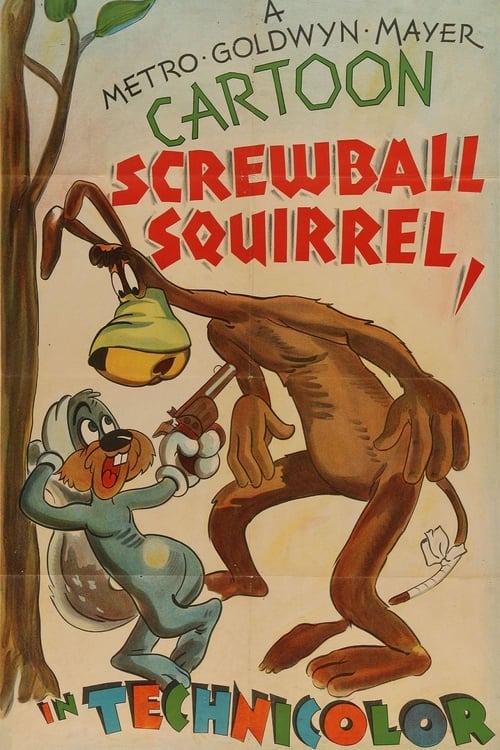
1944
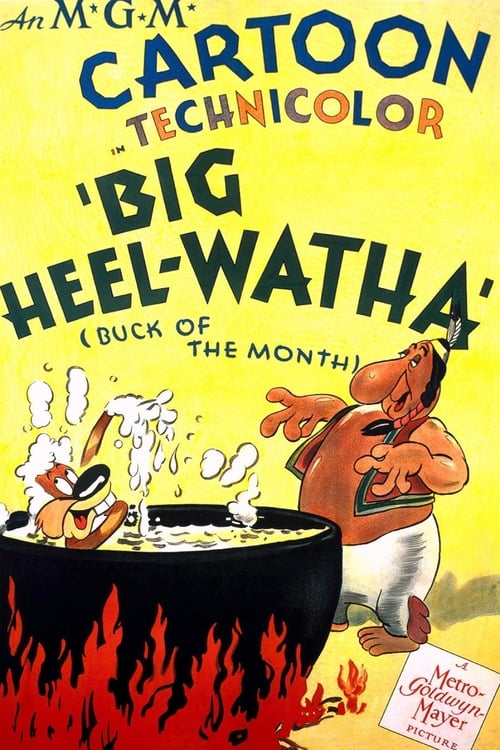
1944
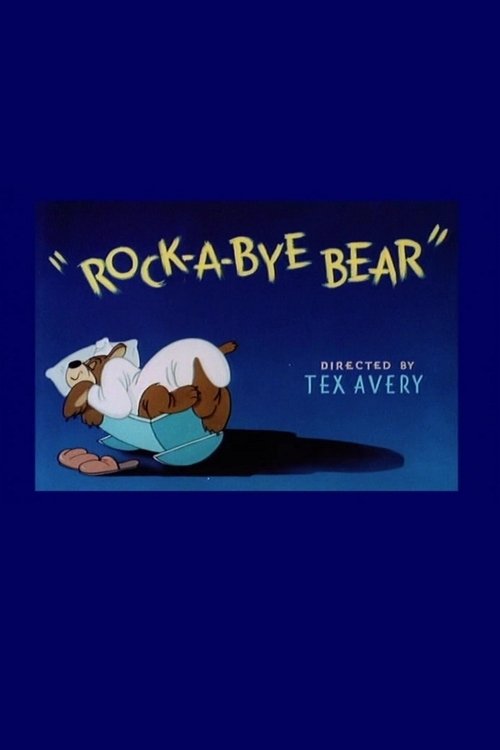
1952
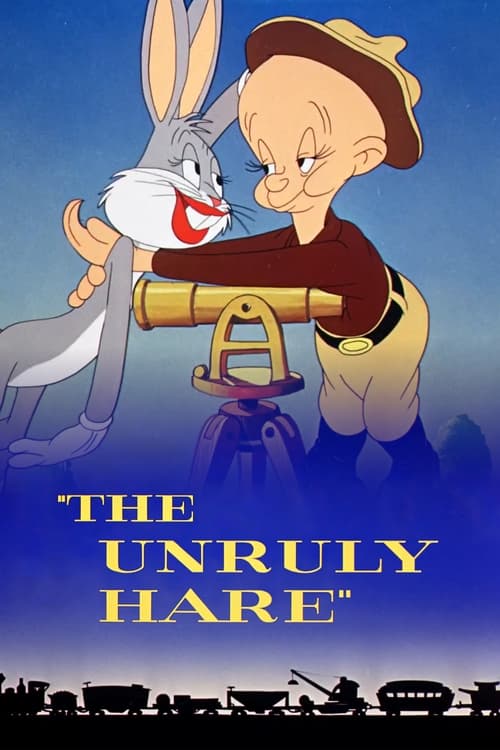
1945
1950
No reviews yet. Be the first to share your thoughts on this movie!
Use the rating form above to leave a star rating and optional review.