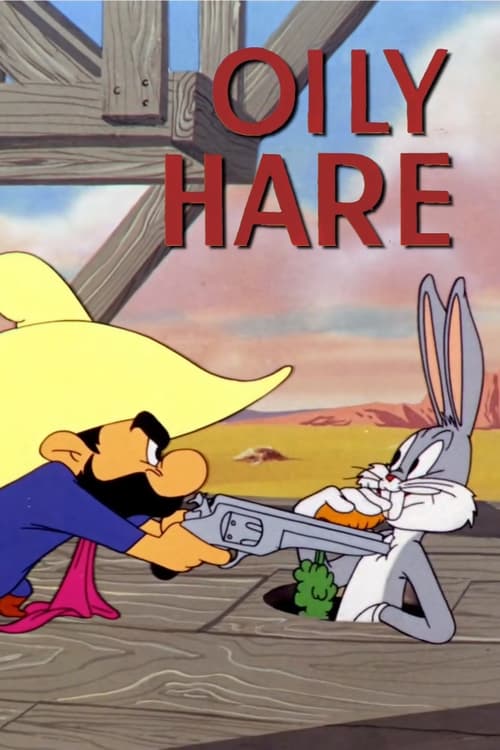
Oily Hare
1952
No user ratings available yet
Representation score: 2.3 out of 10
Representation Score
Minimal
1945
ApprovedDirector
Frank Tashlin
Runtime
7 minutes
Average Rating
No ratings yetNew Showbiz Analysis
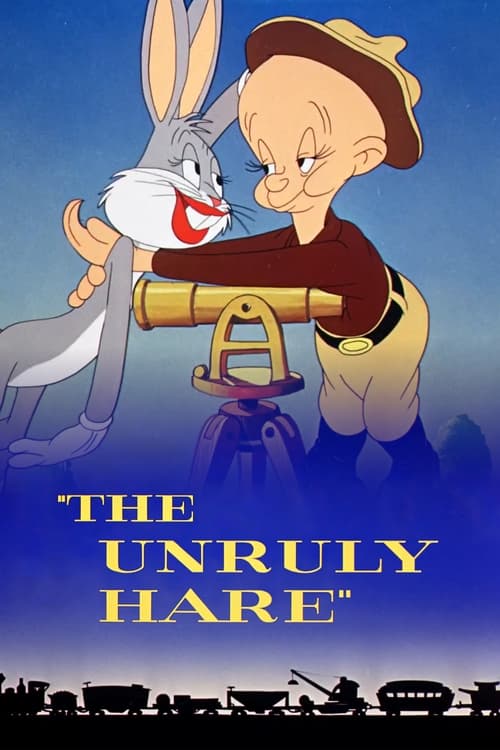
This classic comedic short prioritizes slapstick humor over identity politics. It operates through a traditional lens, focusing on the conflict between Bugs Bunny and Elmer Fudd during a railroad surveying mission. Although the film lacks diverse representation, it subtly subverts conventional narratives. By presenting the disruption of industrial and authoritative structures as comedic empowerment, it challenges established hierarchies. Ultimately, the piece is a product of its time, using the trickster archetype to mock organized labor and state-sanctioned infrastructure.
Category Breakdown
The film does not include any LGBTQ+ narratives or characters with non-straight identities. The story focuses solely on a traditional hero and villain setup.
The story revolves around a conflict between two male characters. There are no female characters who play a significant role or represent gender diversity.
The narrative centers on a single, homogeneous cast of characters. It follows mid-century animation conventions without any diverse casting or ethnic references.
The film explores themes of resisting industrial capitalism and authoritative structures. The protagonist’s actions challenge and disrupt these systems, celebrating personal freedom.
There are no representations of physical or neurodivergent disabilities. The characters do not reflect these identities within the film.
Present on Screen
Limited or Absent
Official Synopsis
When Elmer Fudd disturbs Bugs with his railroad surveying, Bugs fights back.
1952
1944
1941
1940
1954
1951
1954
1951
No reviews yet. Be the first to share your thoughts on this movie!
Use the rating form above to leave a star rating and optional review.