Scared Straight! 20 Years Later
1999
No user ratings available yet
Representation score: 1.1 out of 10
Representation Score
Good
2002
TV-14Director
Ellen Goosenberg Kent
Runtime
75 minutes
Average Rating
No ratings yetNew Showbiz Analysis
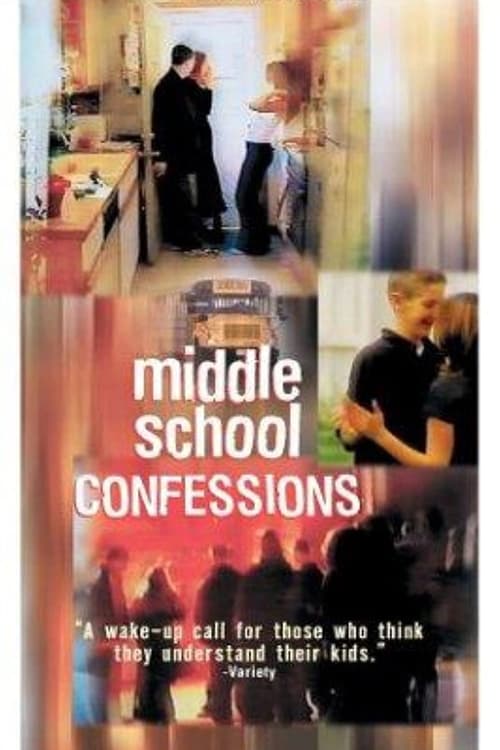
Middle School Confessions serves as a corrective to the sanitized, idealized depictions of youth common in mainstream media. By focusing on raw social realities, it disrupts conventional expectations of adolescent behavior. The documentary prioritizes the complexities of identity and mental health over traditional moralistic frameworks. It engages with taboo subjects like violence and alcohol abuse to provide a more unvarnished look at development. While the film excels at exploring psychological and social complexities, it lacks specific data regarding racial and ethnic representation. This leaves a gap in the understanding of its demographic breadth.
Category Breakdown
The film treats sexual orientation as a central theme, aiming to normalize non-straight relationships by making them a key part of the adolescent experience.
By focusing on sexual activity and depression, the documentary challenges traditional gender roles. It highlights the vulnerabilities of both male and female subjects by moving away from idealized archetypes.
The provided documentation does not explicitly confirm the racial composition of the participants. Consequently, the racial and ethnic diversity of the film cannot be determined.
The narrative deconstructs myths of childhood innocence and stable nuclear families. It prioritizes personal experiences over traditional institutional or parental authority.
The film centers depression as a key theme, providing a platform for discussing mental health. This gives real power to those dealing with invisible psychological challenges.
Present on Screen
Limited or Absent
Official Synopsis
Adolescents confront issues of sexual activity, sexual orientation, violence, alcohol abuse and depression.
1999

2011

2013
2016

2014

2015

2015
1995
No reviews yet. Be the first to share your thoughts on this movie!
Use the rating form above to leave a star rating and optional review.