Bully
2001
No user ratings available yet
Representation score: 5.1 out of 10
Representation Score
Good
1995
NC-17Director
Larry Clark
Runtime
91 minutes
Average Rating
No ratings yetNew Showbiz Analysis
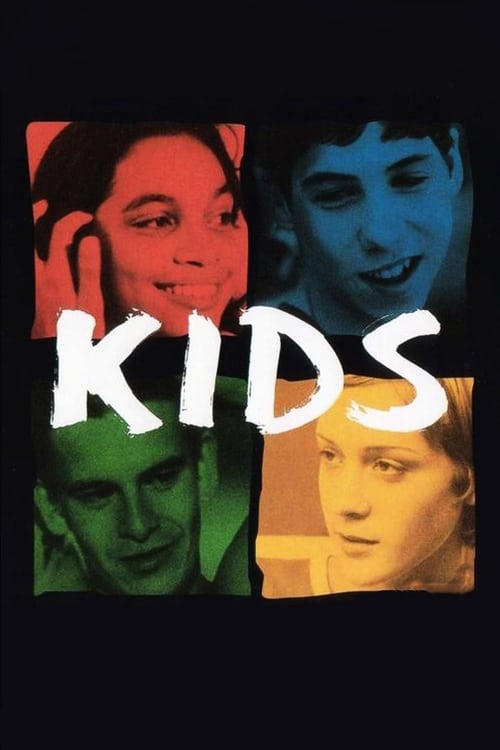
Larry Clark’s *Kids* excels at capturing the gritty, multi-ethnic reality of 1990s New York City. Its strength lies in its cultural deconstruction, using the breakdown of traditional family structures to critique societal institutions. However, the film is limited by a narrow social scope. The lack of LGBTQ+ representation and the tendency to depict female characters as passive victims create significant gaps in diversity. Ultimately, while the film is a successful exercise in urban realism, its focus on straight-centered, predatory dynamics prevents a more inclusive portrayal of adolescent life.
Category Breakdown
The film focuses on heterosexual relationships and does not include any LGBTQ+ identities or queer perspectives. It portrays adolescent interactions as predatory.
Gender roles are defined by sexual ability to act and vulnerability rather than traditional archetypes. Female characters are often portrayed as passive or victimized within the film's predatory dynamics.
The cast reflects the multi-ethnic makeup of New York City youth. This diversity contributes to the gritty realism of the film but does not delve deeply into multi-layered issues.
The film offers a critical look at the breakdown of traditional Western social and family structures. It highlights the absence of parental and societal oversight.
There is no meaningful depiction of physical, neurodivergent, or mental health disabilities. Character struggles are framed through social and behavioral issues.
Present on Screen
Limited or Absent
Official Synopsis
A group of bored, disaffected New York City teenagers spend a day skating, smoking, drinking, partying, deflowering virgins, and getting into fights.
2001

2001

2015
1979

2005

2015

1995

1979
No reviews yet. Be the first to share your thoughts on this movie!
Use the rating form above to leave a star rating and optional review.