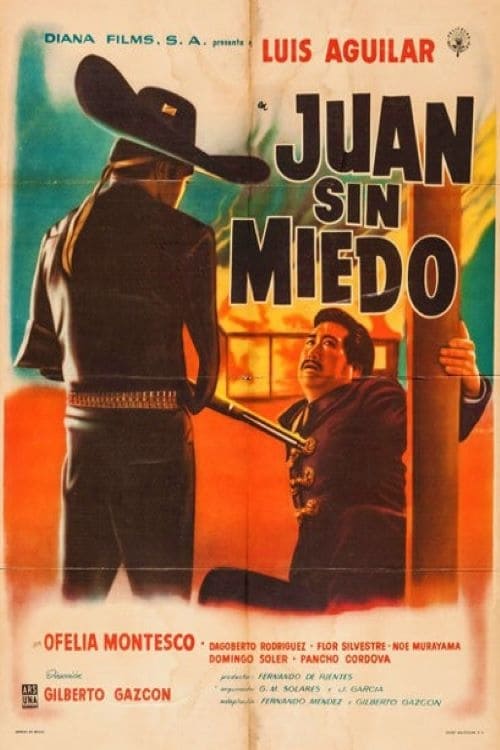
Juan sin miedo
1961
No user ratings available yet
Representation score: 4.1 out of 10
Representation Score
Limited
1966
UnratedDirector
Miguel Zacarías
Runtime
87 minutes
Average Rating
No ratings yetNew Showbiz Analysis
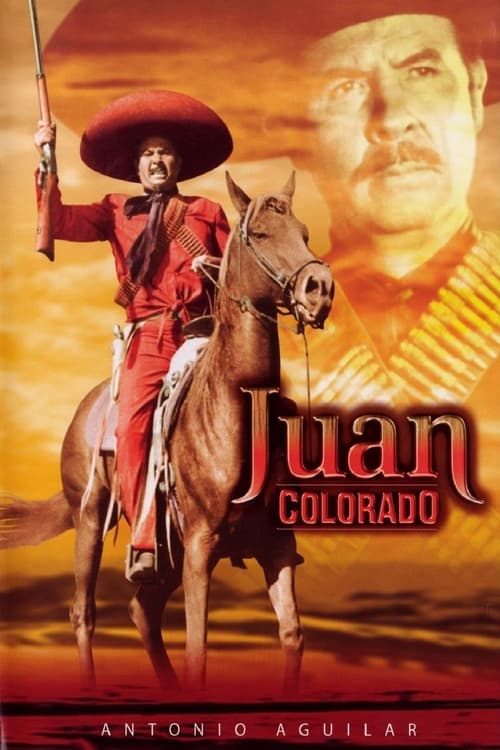
Juan Colorado serves as a culturally authentic counter-narrative to the American Western. By centering the Mexican Revolution and the struggles of the peasantry, the film provides a unique perspective on systemic upheaval and social restructuring. However, the film remains constrained by the gendered clichés of 1966. Female characters primarily function through romantic devotion, and gender subversion is used only as a tactical plot device rather than a meaningful critique of social hierarchies. Ultimately, the film's strength lies in its ethnic and cultural specificity, offering a nuanced look at historical power dynamics that disrupts the traditional 'civilization vs. wilderness' dichotomy.
Category Breakdown
The film focuses on a traditional romance between the protagonist Juan and Silvia. There is no indication of non-binary gender identities or same-sex relationships.
The story highlights masculine revolutionary roles typical of Western narratives. Silvia briefly disguises herself as Juan but her actions remain closely tied to her relationship with the male lead.
As a Mexican production, the film centers on the Mexican experience and the peasantry. It avoids the whitewashing common in Hollywood Westerns by emphasizing the specific ethnic identity of the revolutionaries.
The story delves into the struggles of the peasantry against landed elites and centralized authority. It centers on themes of revolution and the pursuit of radical social change and land reform.
There is no focus on characters with physical or neurodivergent disabilities within the narrative.
Present on Screen
Limited or Absent
Official Synopsis
Silvia's father wants to marry her off to Rafael who, out of jealousy, wants to finish off Juan. Silvia dresses up as Juan to save his skin.
1961
1975
1966
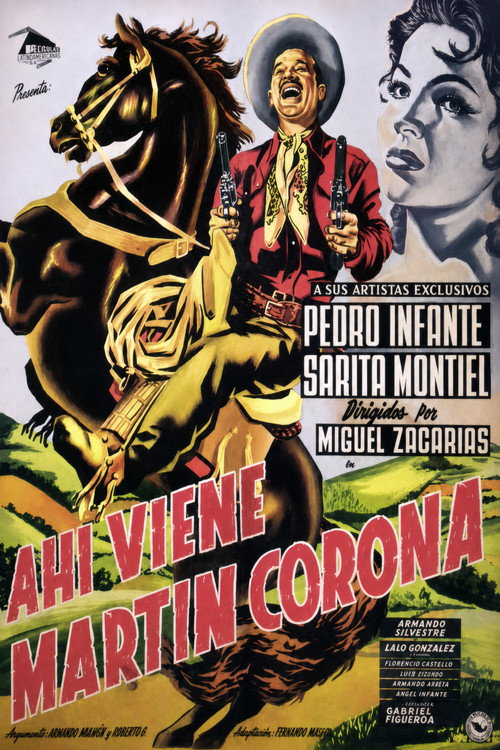
1952
1961
1969

1949
1956
No reviews yet. Be the first to share your thoughts on this movie!
Use the rating form above to leave a star rating and optional review.