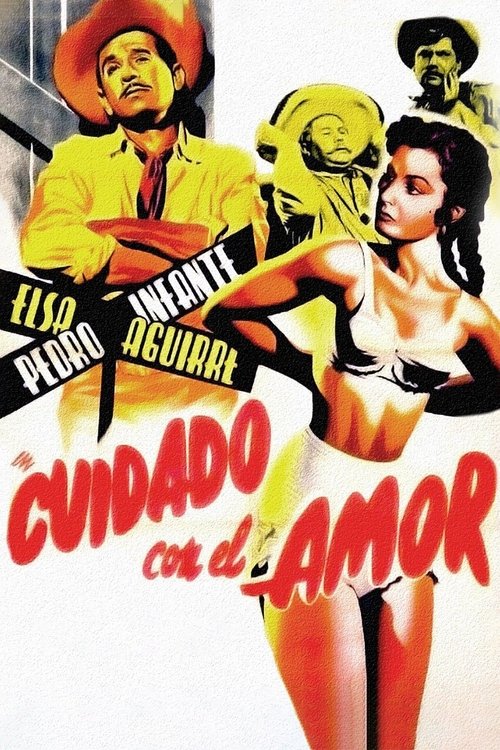
Watch Out for Love
1954
No user ratings available yet
Representation score: 2.8 out of 10
Representation Score
Limited
1952
Not RatedDirector
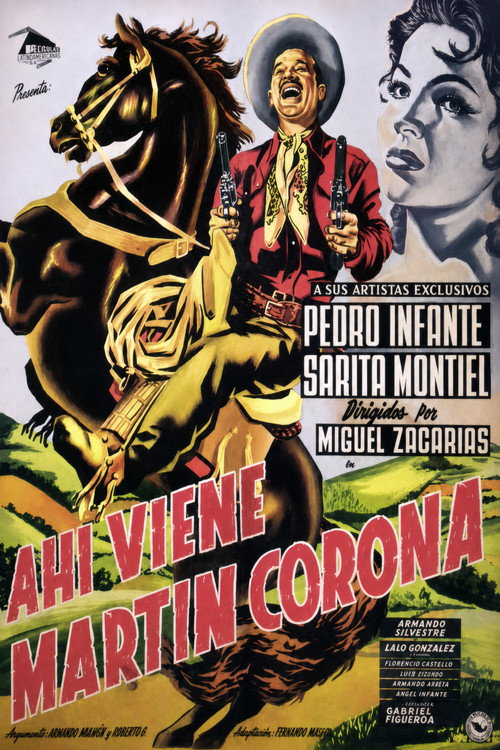
Miguel Zacarías
Runtime
87 minutes
Average Rating
No ratings yetNew Showbiz Analysis
Ahí viene Martín Corona offers a cultural glimpse of mid-century Mexican identity through the lens of the comedia ranchera. It centers on a mestizo hero navigating the tension between personal romance and communal duty. The film upholds traditional social and moral hierarchies rather than challenging broader societal structures. While it portrays the struggles of the underprivileged against villainous landowners, it does so through a framework of conventional morality. Ultimately, the work emphasizes the heroic individual archetype. It provides a study of the romanticized rural landscape and established social orders of 1950s Mexico.
Category Breakdown
The film follows strict assumptions that everyone is straight or cisgender. There are no non-straight or non-cisgender identities or same-sex relationships shown.
Traditional gender roles are prominent in the story. While the female lead takes an active role through her pride and social demands, the plot is still driven by the male protagonist's moral decisions.
The cast focuses on Mexican and mixed heritage identities, reflecting the era's cinematic traditions. It highlights the economic differences between the rural working class and the landed elite.
The film is grounded in traditional Mexican values and social structures. It explores communal honor and morality within a conventional, romanticized rural setting.
There is no noticeable focus on visible or invisible disabilities within the film's narrative or character descriptions.
Present on Screen
Limited or Absent
Official Synopsis
Martin Corona, player and womanizer, defends the underprivileged, the poor and the needy. He will have to defend a Spanish girl and her servant from the clutches of the villainous of the town. Not only will he have to fight the bad guy, but against the pride of the girl who initially believes that he is the bad character and distrusts him. She was very proud to put him at her feet, but there was a problem, Martin Corona was due more to his people than anyone and she was not willing to risk losing it, so before marrying him, made him swear he would not intervene In other problems.
1954
1940
1955
1952
1962
1959
1966
1960
No reviews yet. Be the first to share your thoughts on this movie!
Use the rating form above to leave a star rating and optional review.