Mulhapar
2014
No user ratings available yet
Representation score: 4.1 out of 10
Representation Score
Fair
1971
Director
Karpo Aćimović Godina
Runtime
15 minutes
Average Rating
No ratings yetNew Showbiz Analysis
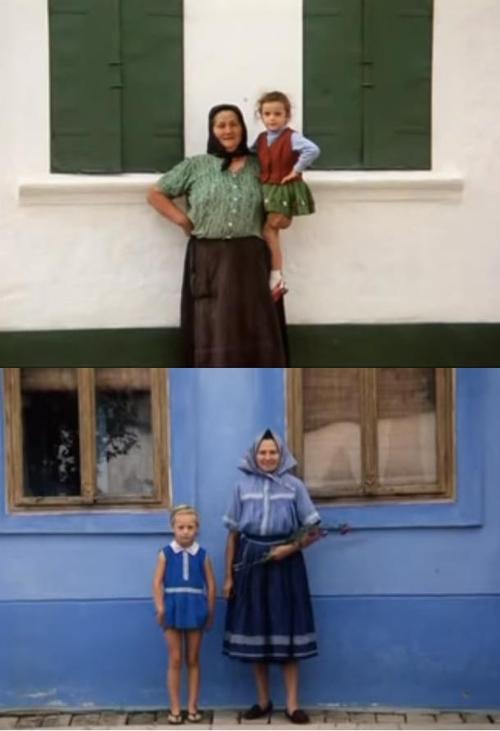
Litany of Happy People is a significant ethnographic document that challenges monolithic regional identities. Its primary strength lies in its complex, multi-ethnic narrative structure and its refusal to accept superficial social harmony at face value. The film goes beyond state-sanctioned propaganda to examine the actual friction and nuances of ethnic interactions. By including underrepresented groups like the Roma, the filmmaker provides a layered view of coexistence. However, the work remains limited by the social structures of its time. It lacks explicit focus on gender subversion or LGBTQ+ representation, adhering more to the traditional hierarchies of 1970s Yugoslavian documentary filmmaking.
Category Breakdown
The film does not include any explicit references to LGBTQ+ characters or stories. The focus on ethnic and religious coexistence suggests that LGBTQ+ identities are not a central part of the documentary’s scope.
The film’s representation seems to align with the patriarchal social structures typical of 1970s Balkan documentaries. Women are likely portrayed within domestic and cultural roles without challenging traditional community structures.
The documentary showcases a multi-ethnic landscape featuring Serbs, Croats, Slovaks, Ukrainians, Romanians, and Roma. This broad representation challenges monolithic national identities through a nuanced perspective.
The film explores various religious and customary traditions. It employs an ironic tone to question the perceived harmony of the region’s cultural landscape, avoiding simplistic optimism.
There is no evidence of individuals with physical or neurodivergent disabilities being portrayed in the film.
Present on Screen
Limited or Absent
Official Synopsis
The Serbian province of Vojvodina is home to a multi-ethnic population of Serbs, Croats, Slovaks, Ukrainians, Romanians, and Roma. The different groups seem to coexist cheerfully and peacefully, full of respect for each other’s customs, songs and religions. But the filmmaker’s ironical gaze discovers cracks in a facade that has long been less harmonious than it seems…
2014

2024

1992
2024
2002

2005
1964
2003
No reviews yet. Be the first to share your thoughts on this movie!
Use the rating form above to leave a star rating and optional review.