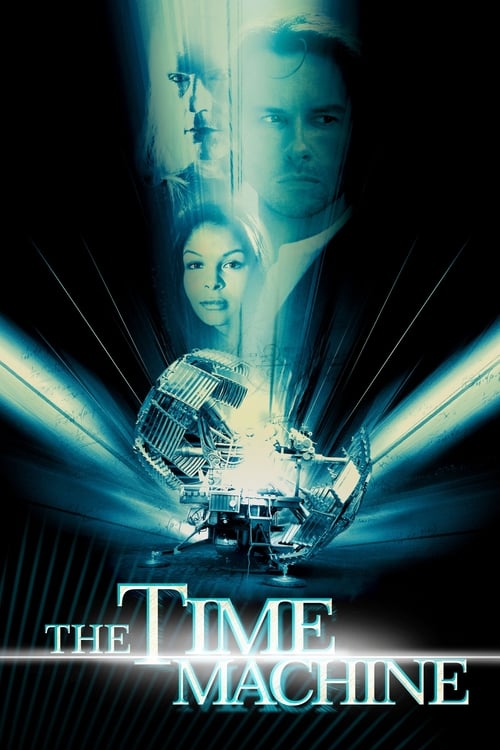
The Time Machine
2002
No user ratings available yet
Representation score: 2.6 out of 10

Representation Score
Limited
1960
GDirector
George Pal
Runtime
103 minutes
Average Rating
No ratings yetNew Showbiz Analysis
The film contrasts traditional character archetypes with progressive themes. On a personal level, the interpersonal dynamics are rooted in the gender and straight-centered clichés of the 1960s. However, the macro-level narrative is highly subversive, using speculative fiction to deconstruct capitalist stability and present a cautionary tale about systemic inequality and the breakdown of social cohesion through the lens of class warfare.
Category Breakdown
The film does not include any LGBTQ+ characters or explore non-straight relationships. The main romantic relationship is between the protagonist and Weena, following a traditional heterosexual dynamic.
Gender roles adhere to mid-20th century norms, with the male protagonist serving as the primary protector and intellectual leader. The female lead remains passive, reinforcing a traditional patriarchal structure.
The cast is predominantly homogeneous, reflecting the production standards of the 1960s. While the future setting uses biological species to represent class and racial distinctions, there is no intentional ethnic diversity.
The narrative offers a sophisticated allegory for class struggle and wealth disparity. By depicting the Eloi and Morlocks, the film critiques the consequences of extreme socioeconomic stratification.
There are no prominent depictions of physical or neurodivergent disabilities. No characters use disability as a central trait or plot device.
Present on Screen
Limited or Absent
Official Synopsis
A Victorian Englishman travels to the far future and finds that humanity has divided into two hostile species.
2002
1974
1984
1951
1970
1968
1976
1959
No reviews yet. Be the first to share your thoughts on this movie!
Use the rating form above to leave a star rating and optional review.