74 Square Meters
2012
No user ratings available yet
Diversity score: 6.4 out of 10
2005
Director
Jonathan Berman
Runtime
78 minutes
Average Rating
No ratings yetSynopsis
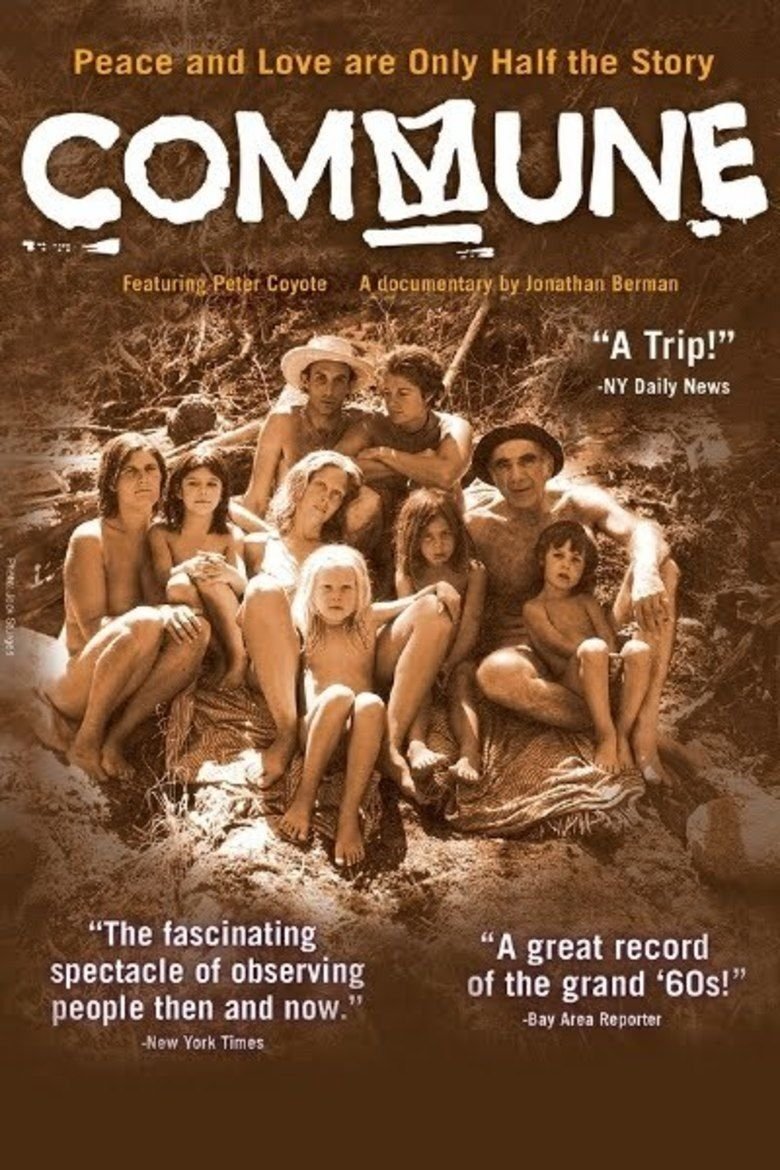
In 1968, Elsa and Richard Marley founded an alternative-living community, named Black Bear, in the remote Northern California wilderness with the motto "Free Land for Free People." This film tells the story of that intended utopia. Through archival footage and interviews with former residents, director Jonathan Berman explores the problems and realities of communal living and the evolution of a community that endured FBI harassment, cult leadership and more.
Overall Score
Good
Category Breakdown
LGBTQ+ Representation
The film centers on the partnership of Elsa and Richard Marley. While the counter-cultural setting suggests potential for non-traditional identities, specific depictions of queer life are not explicitly confirmed.
Gender Representation
The narrative avoids a purely patriarchal lens by highlighting Elsa Marley's agency as a co-founder. This shared leadership offers a nuanced look at power dynamics within the community.
Racial & Ethnic Diversity
The documentary explores a 1960s wilderness community with a multi-ethnic ethos. However, the film lacks specific evidence regarding the racial composition of the Black Bear residents.
Religious & Cultural Diversity
The film provides a strong critique of mainstream Western institutions and capitalism. It explores the complexities of alternative social contracts and the rejection of conventional property ownership.
Disability Representation
There is no mention of residents navigating physical or neurodivergent disabilities within the provided narrative.
Strengths
Areas for Improvement
AI Analysis
Commune serves as a compelling study of social disruption and the friction between utopian ideals and systemic pressure. It succeeds by deconstructing the 1960s counter-culture through a lens that challenges traditional institutional stability. The film's strength lies in its exploration of alternative social structures and its critique of state authority. By focusing on the evolution of the Black Bear community, it moves beyond simple historical recounting to examine complex human dynamics. While the documentary offers a sophisticated look at communalism, it remains somewhat ambiguous regarding specific identity markers like race and sexual orientation. The focus remains primarily on the ideological struggle of the movement.
2012
2010

2003

2016
2015

2018
2016

2013
2013

2016
2004
2013
No reviews yet. Be the first to share your thoughts on this movie!
Use the rating form above to leave a star rating and optional review.