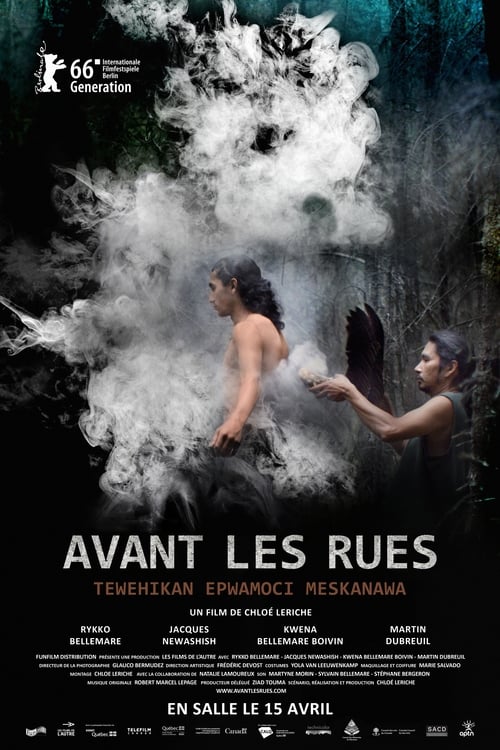
Before the Streets
2016
No user ratings available yet
Representation score: 6.0 out of 10
Representation Score
Good
2011
Director
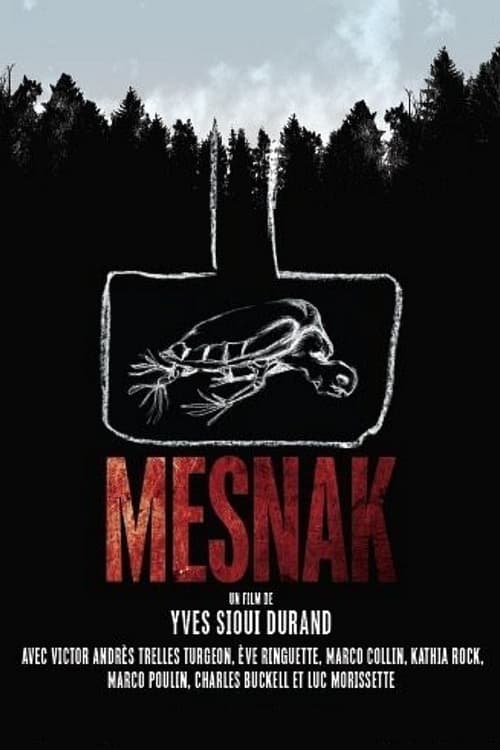
Yves Sioui Durand
Runtime
96 minutes
Average Rating
No ratings yetNew Showbiz Analysis
Mesnak is a profound exploration of identity fragmentation and the systemic erasure of Indigenous heritage. It succeeds by focusing on the lived reality of an urbanized protagonist trying to reconnect with a fractured cultural past. The film's greatest strength lies in its refusal to romanticize Native culture. Instead, it offers a nuanced, often uncomfortable examination of how historical trauma and systemic displacement affect both individuals and communities. While the film excels in providing depth in racial and cultural aspects, its narrative scope remains narrowly focused on biological and cultural reconnection. This limits broader explorations of gender or queer identity.
Category Breakdown
The film does not include any explicit LGBTQ+ characters or dynamics related to queer themes.
The story focuses on the male protagonist's psychological journey. However, it challenges traditional masculine stereotypes by highlighting the importance of maternal bonds and the emotional labor involved in uncovering community secrets.
The film highlights the ability to act of Indigenous individuals. It avoids simplistic stereotypes by examining the tension between urbanized life and the realities of living on reserves.
The narrative examines how colonial legacies influence Indigenous kinship. It prioritizes the subjective experiences of Indigenous peoples over a Western-centric viewpoint.
There is no information available regarding the depiction of physical or neurodivergent disabilities in this work.
Present on Screen
Limited or Absent
Official Synopsis
Dave, an urban aboriginal in his early twenties, is a Montreal actor. His adoption at the age of 3 has erased all memory of his Native culture. When he receives his first-ever contact with his biological mother through a photo in the mail, Dave leaves for Kinogamish, the reserve where he was born. The reunion does not unfold as expected and Dave becomes disoriented, confronted with a world that seems hostile and foreign. His unplanned return to this desolate community causes upheavals and chain reactions, while dredging up a painful past scarred by secrets and lies.
2016
2015

2021
2017
2013

2022
2019
1998
No reviews yet. Be the first to share your thoughts on this movie!
Use the rating form above to leave a star rating and optional review.