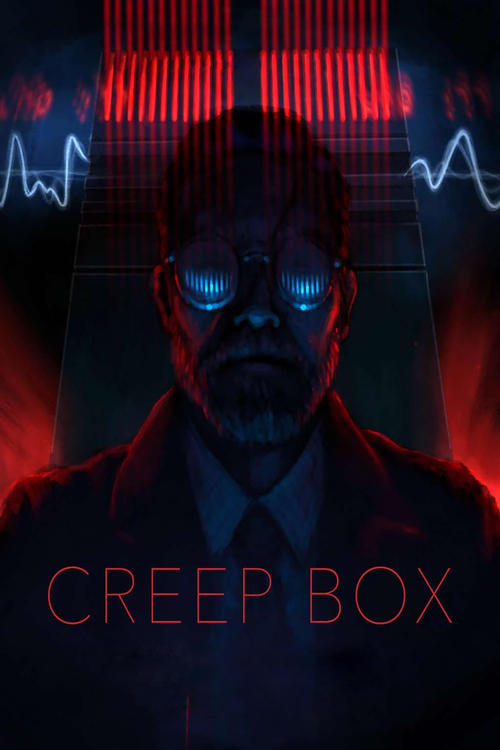
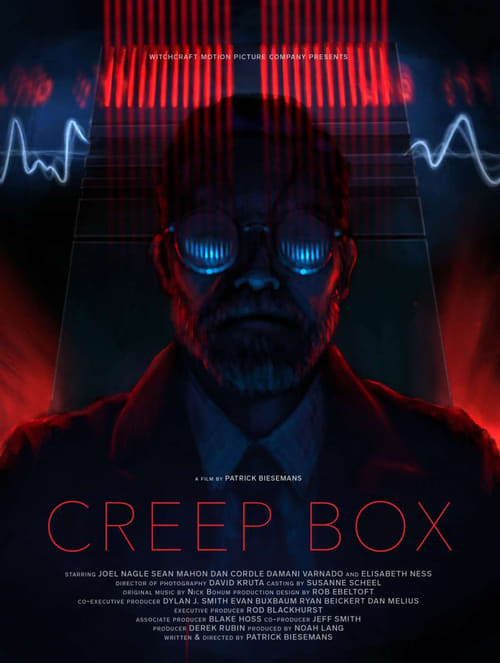
Creep Box
2023
No user ratings available yet
Representation score: 3.9 out of 10
Representation Score
Minimal
2011
Director
Matthew Thompson
Runtime
89 minutes
Average Rating
No ratings yetNew Showbiz Analysis
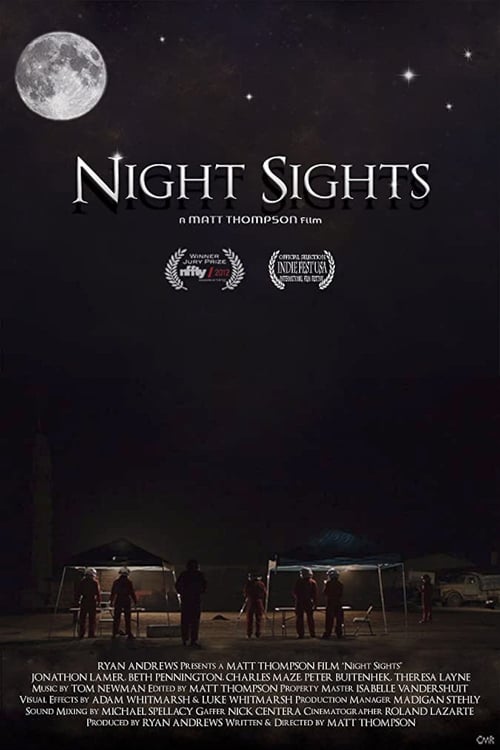
Night Sights is an existential drama that emphasizes the universal experience of grief rather than specific demographic representation. The film's metaphysical setting offers a secular perspective on the afterlife, but it lacks diverse representation. The narrative focuses on the emotional journey of parents, without incorporating identity-driven ability to act or social disruption.
Category Breakdown
The film does not include any representation of LGBTQ+ identities or same-sex relationships.
The story centers on traditional parental roles during grief, without challenging gender hierarchies or archetypes.
The racial and ethnic makeup of the cast and the soul-collecting network is unspecified, making it impossible to assess racial diversity.
The film presents a secular interpretation of the afterlife, avoiding traditional religious clichés by focusing on moral relativism.
The film does not feature physical disabilities, neurodivergence, or mental health conditions as central elements of the story.
Present on Screen
Limited or Absent
Official Synopsis
After losing their son, grieving parents stumble upon a network of people that collect souls of the deceased, preparing them for their journey out of Purgatory.
2023
2004
2022

2010

2024
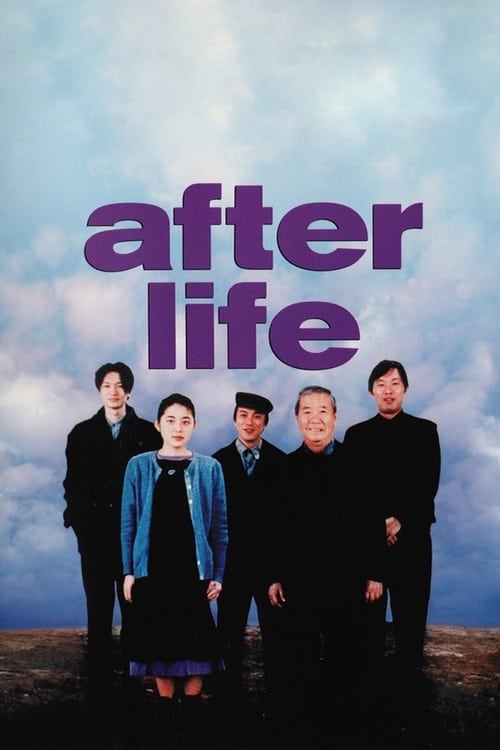
1999

2015
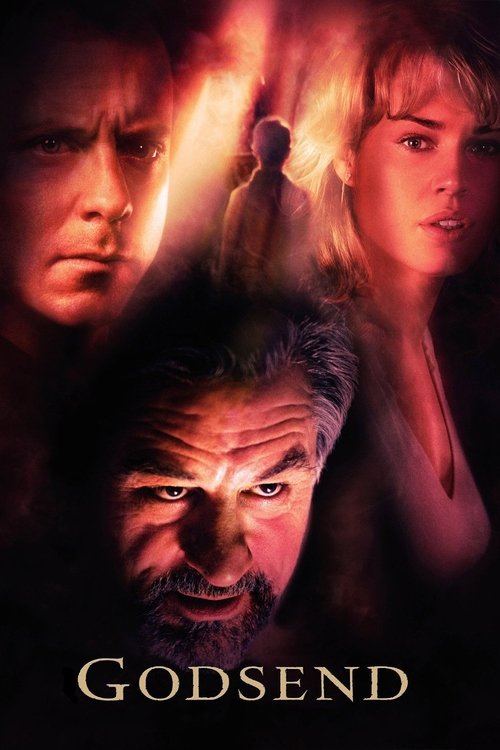
2004
No reviews yet. Be the first to share your thoughts on this movie!
Use the rating form above to leave a star rating and optional review.