
The Grand Grandmaster
2020
No user ratings available yet
Diversity score: 5.3 out of 10
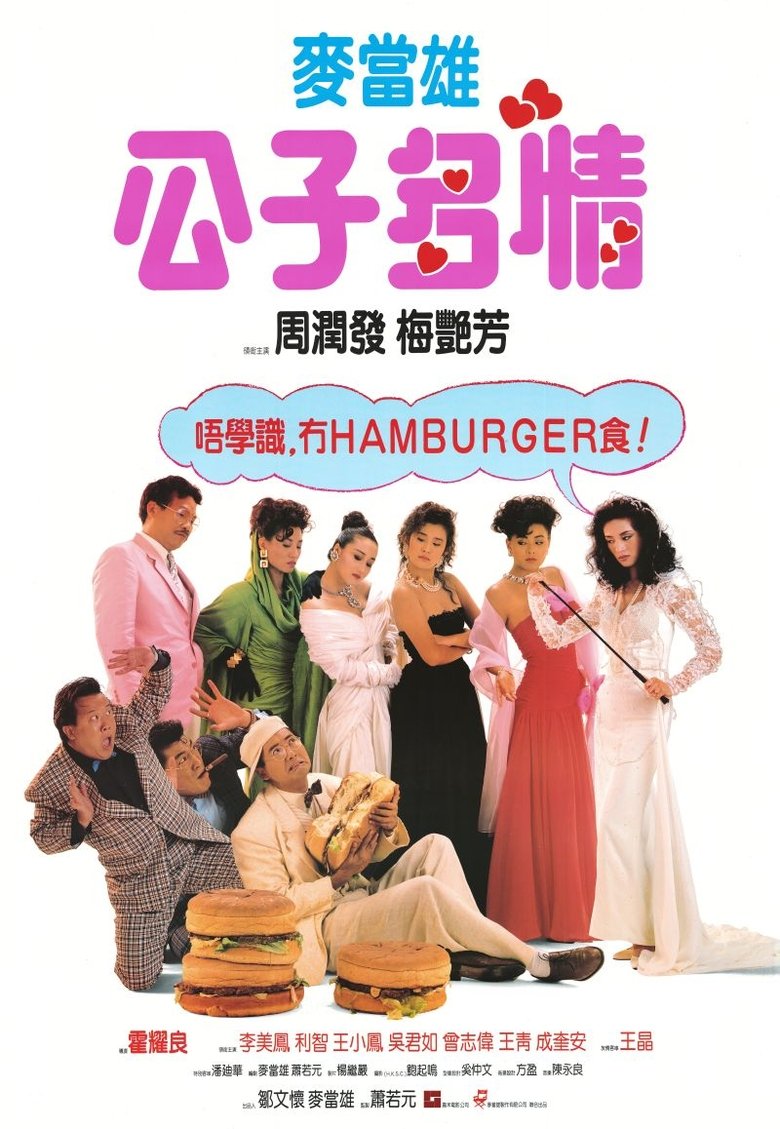
1988
Director
Clarence Ford
Runtime
115 minutes
Average Rating
No ratings yetSynopsis
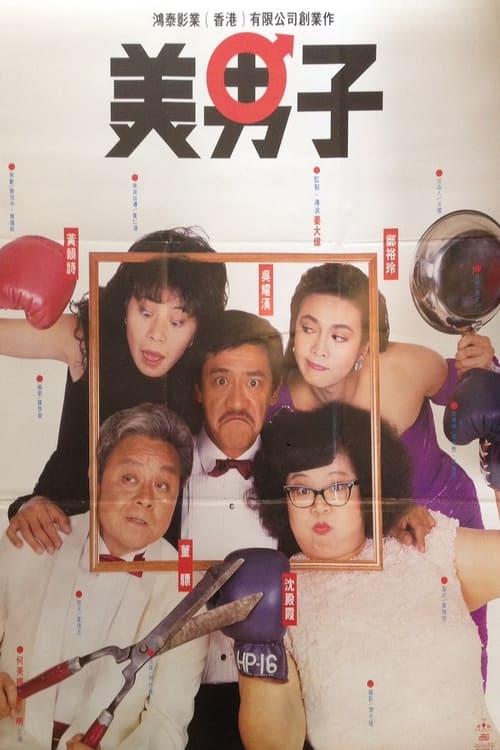
A delightful comedy about three illegal immigrants from China, one of whom (Chow) gets roped into a gentleman-training course - taught by Mui - in order to take revenge on some bitchy beauties who jilted a nasty fellow. Kinda like a gender-reversed My Fair Lady.
Overall Score
Fair
Category Breakdown
LGBTQ+ Representation
The film centers on heteronormative courtship and romantic pursuit. The 'My Fair Lady' framework suggests a focus on traditional romantic dynamics rather than queer identities.
Gender Representation
The narrative subverts traditional hierarchies by placing instructional authority in the hands of a female character. This shift grants female intellect a central role in the protagonist's development.
Racial & Ethnic Diversity
The story features Chinese immigrants as central protagonists, offering a non-Western perspective. It explores themes of displacement and social stratification through the lens of illegal immigration.
Religious & Cultural Diversity
The film critiques class-based social institutions through an immigrant's journey. However, the plot relies on interpersonal revenge rather than a deep systemic critique of culture.
Disability Representation
There is no evidence of physical or neurodivergent disability representation within the provided narrative.
Strengths
Areas for Improvement
AI Analysis
The film offers a unique comedic perspective by centering on Chinese immigrants navigating foreign social structures. This provides a meaningful departure from the Anglo-centric narratives common in 1980s cinema, particularly through its exploration of class and displacement. While the film disrupts gendered power dynamics by giving a female instructor agency over the male protagonist, it remains tethered to traditional romantic tropes. The motivations for character growth are rooted in personal revenge rather than broader social commentary. Ultimately, the work succeeds in providing ethnic representation and a subversion of courtship hierarchies, even if it stays within the bounds of conventional romantic comedy structures.
2020
1975
1991
1999
1984
1999
1987
1997
1988
1988

1985
1989
No reviews yet. Be the first to share your thoughts on this movie!
Use the rating form above to leave a star rating and optional review.