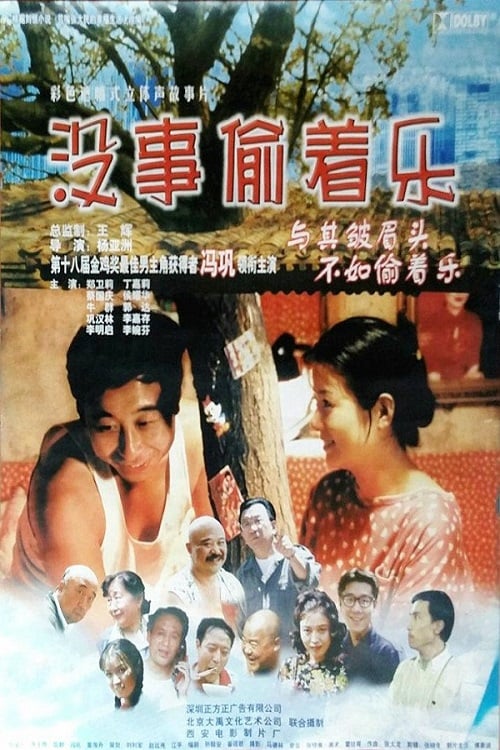
Steal Happiness
1999
No user ratings available yet
Representation score: 3.0 out of 10
Representation Score
Limited
1999
Director
Lee Bing-Gwong
Runtime
97 minutes
Average Rating
No ratings yetNew Showbiz Analysis
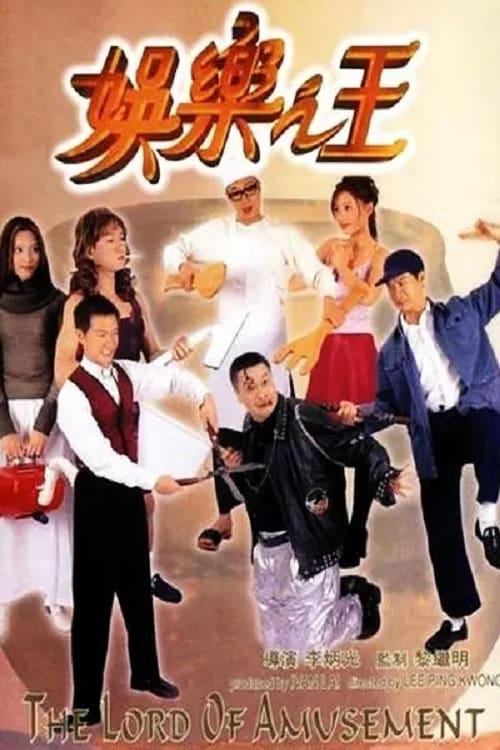
The Lord of Amusement is a genre-driven comedy that prioritizes commercial entertainment and slapstick humor. Its narrative structure reflects the conventional standards of late-90s Hong Kong cinema, focusing on established social structures and industry-specific themes. While the film maintains a strong, culturally specific identity reflective of the regional Hong Kong film industry, it does not actively seek to challenge racial hierarchies or integrate complex, multi-layered identities. The representation remains within the bounds of the era's mainstream comedic expectations. Ultimately, the film functions as a traditional piece of entertainment. It lacks the intentionality needed to deconstruct social hierarchies or provide significant visibility for underrepresented groups.
Category Breakdown
The film does not include any clear LGBTQ+ characters or narratives. It adheres to traditional comedic structures that usually avoid explicit non-cisgender representations.
The main cast is mostly male, reflecting the era's preference for male protagonists. Female performers are present but likely play supporting or stereotypical roles.
The cast is primarily East Asian and Cantonese-speaking. The film operates within a homogeneous cultural framework without pursuing a multi-ethnic or color-blind casting approach.
The story focuses on the entertainment industry through the lens of fame and success. It aligns with traditional industry-centric storytelling without offering a systemic critique.
There is no information available regarding the depiction of physical or neurodivergent disabilities.
Present on Screen
Limited or Absent
1999

1999
1979
2010
1991

1994
1998
1999
No reviews yet. Be the first to share your thoughts on this movie!
Use the rating form above to leave a star rating and optional review.