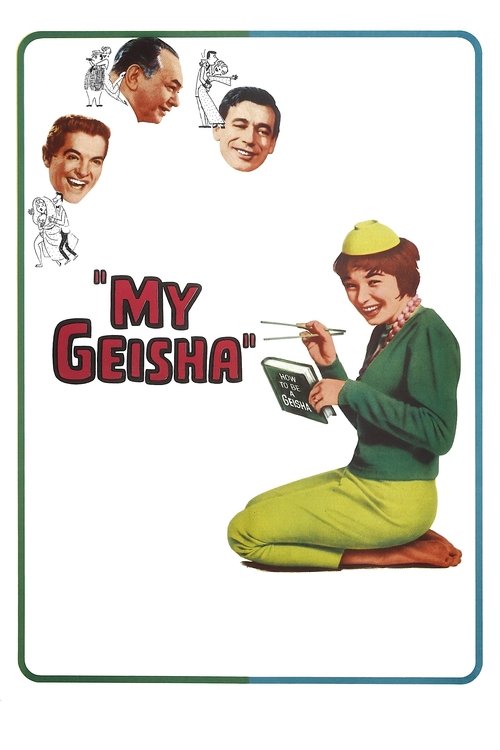
My Geisha
1962
No user ratings available yet
Representation score: 2.1 out of 10
Representation Score
Fair
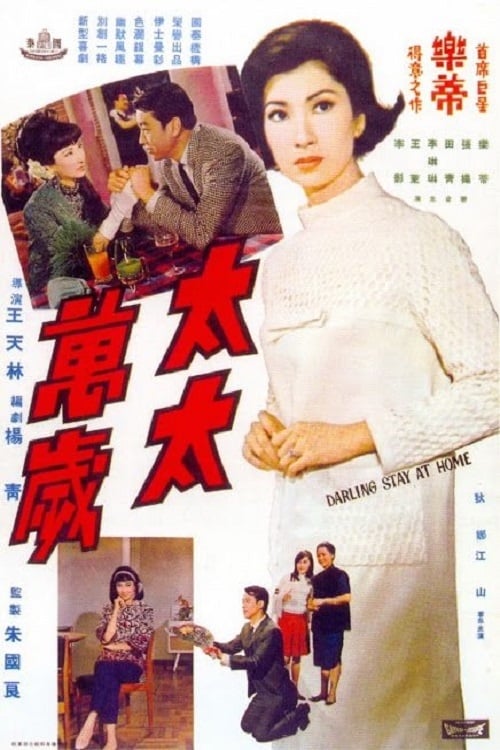
1968
Director
Wong Tin-Lam
Runtime
94 minutes
Average Rating
No ratings yetNew Showbiz Analysis
Darling, Stay at Home is a progressive comedy that centers on the subversion of patriarchal power. By transforming a bored housewife into a professional competitor, the film highlights female intellect and control against a chauvinistic backdrop. While the film excels in gendered social critique, it remains limited by the era's homogeneity. It lacks LGBTQ+ representation and multi-ethnic casting, focusing instead on a specific Hong Kong cultural context. Ultimately, the film's strength lies in its deconstruction of domestic hierarchies. It uses a madcap comedy framework to challenge the systemic barriers placed upon women in the mid-century era.
Category Breakdown
The film does not include any explicit LGBTQ+ characters or non-straight relationships. The story focuses solely on the domestic conflict between a husband and wife.
Wang Yui-chuan disrupts traditional gender roles by moving from domestic life to a professional role where she competes with her chauvinistic husband for career advancement.
The film offers a culturally specific, non-Western perspective typical of 1968 Hong Kong cinema. While the cast is ethnically uniform, it provides an alternative to Western cinematic norms.
The story critiques restrictive mid-century domestic structures by framing patriarchal authority as an obstacle. It prioritizes individual ambition and social mobility over the preservation of traditional family roles.
There is no information regarding characters with physical, sensory, or neurodivergent disabilities in the narrative.
Present on Screen
Limited or Absent
Official Synopsis
The misadventures of a beautiful but bored housewife Wang Yui-chuan and her chauvinistic salary-man husband Chang Wei-min reaches madcap proportions upon his denying her the opportunity to work outside the home. With calculating smarts, Wang takes action with the help of her scheming neighbors Lily and her mother Mrs. Hsu to change her identity and land a situation in her husband's firm where she successfully advances within the ranks in direct competition with Chang for promotion. A madcap comedy of errors ensue.
1962
1977

1963
1995
1989
1949
1966
1939
No reviews yet. Be the first to share your thoughts on this movie!
Use the rating form above to leave a star rating and optional review.