
Gun City
2018
No user ratings available yet
Representation score: 5.3 out of 10
Representation Score
Limited
1980
Director
Antonio Drove
Runtime
120 minutes
Average Rating
No ratings yetNew Showbiz Analysis
The film primarily serves as a socio-political critique of industrial capitalism and systemic corruption in early 20th-century Barcelona. It prioritizes the clash between anarchists and the employer class over identity-based representation. While the narrative excels at deconstructing historical power structures and institutional morality, it lacks diversity in terms of gender, race, and LGBTQ+ identities. The focus remains heavily on the socio-economic hierarchies of the era.
Category Breakdown
The film does not include any LGBTQ+ characters or narratives. The story centers on class struggle and industrial conflict.
The film emphasizes male roles in industrialist families and anarchist movements. However, the criminal activities of the Savolta family might challenge traditional patriarchal roles.
The setting depicts a localized view of Barcelona. The narrative focuses on class-based identity rather than racialized identity, reflecting a homogeneous European population.
The film presents a strong anti-establishment perspective, criticizing capitalism and the industrial family unit. It frames the employer class as a predatory and corrupt force.
There is no information regarding the portrayal of disability or neurodivergence within the film.
Present on Screen
Limited or Absent
Official Synopsis
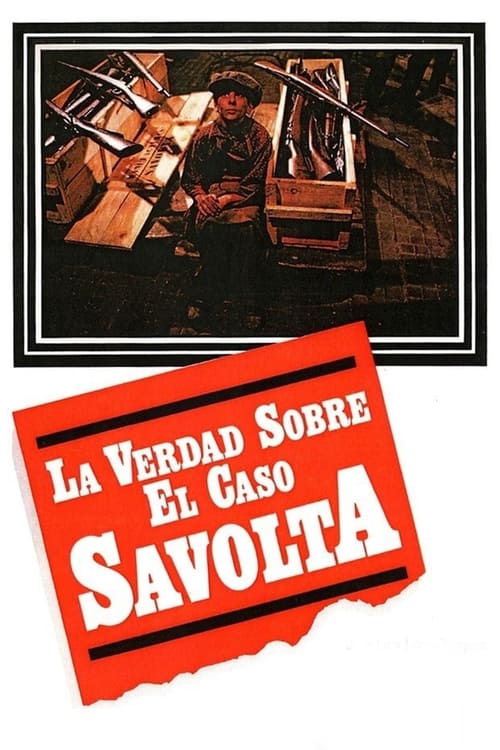
Barcelona between 1917 and 1923. Is the era of gangsterism, during which gunmen clash between anarchists and thugs paid by The Patronal showed a shocking number of deaths. The confrontation between anarchists and workers of the factory owners Savolta arms worsens when Savolta family decides to end the rebellion hiring murderers hired and plotting to hide their illegal transactions with Germany. Adapted from the novel by Eduardo Mendoza.
2018

1971
1990

1991

1985

1978
1974
1904
No reviews yet. Be the first to share your thoughts on this movie!
Use the rating form above to leave a star rating and optional review.