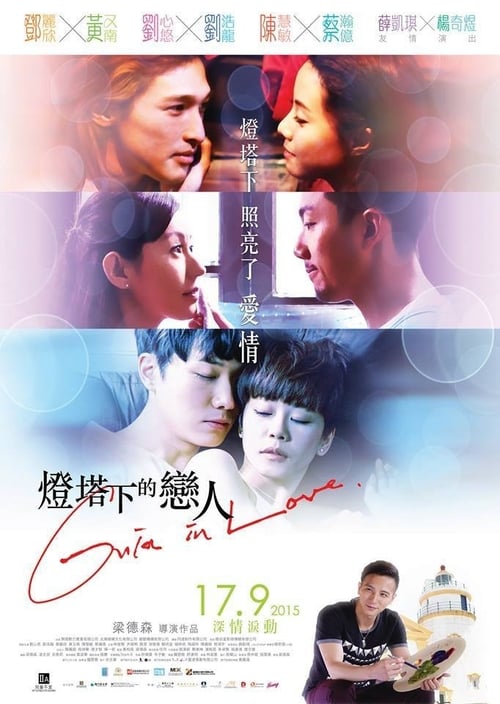
Guia In Love
2015
No user ratings available yet
Diversity score: 4.1 out of 10
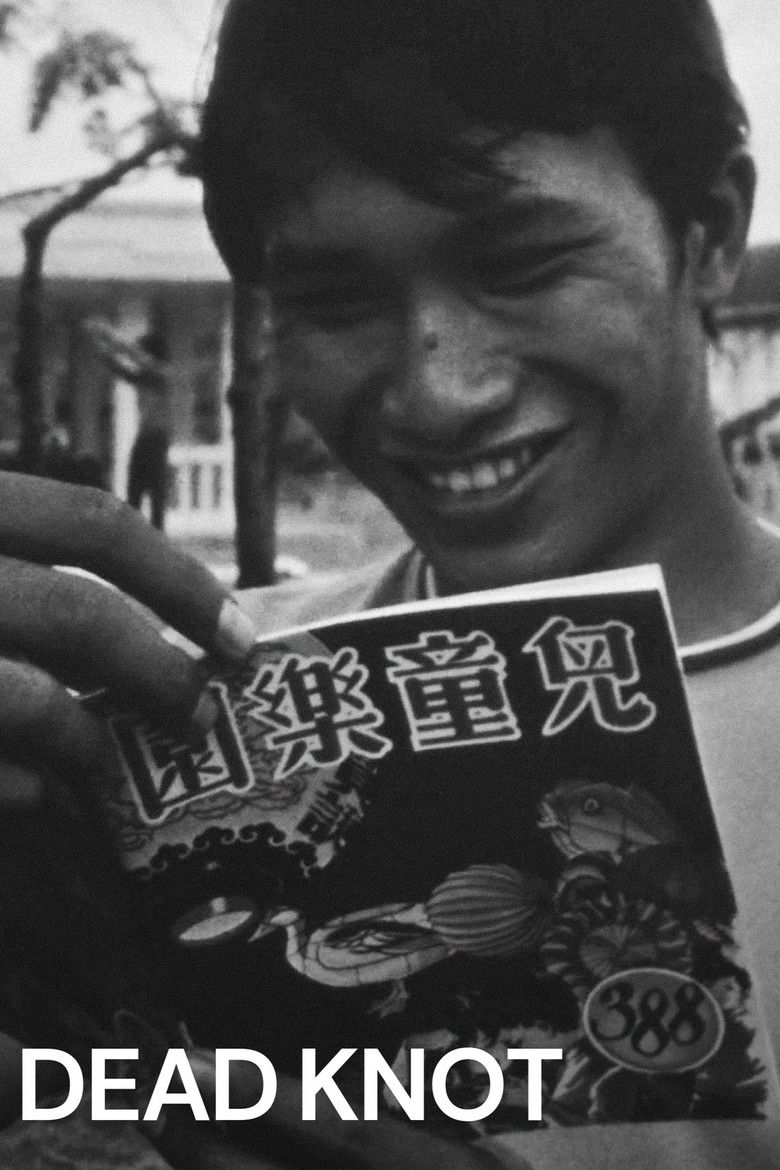
1969
Director
Sek Kei
Runtime
19 minutes
Average Rating
No ratings yetSynopsis
Explores youthful angst and restlessness through the complex, intertwined relationships of two men and a woman.
Overall Score
Fair
Category Breakdown
LGBTQ+ Representation
The narrative centers on the intertwined relationships of two men and a woman. While non-heteronormative identities aren't explicitly confirmed, the focus on male dynamics suggests potential homoerotic subtext.
Gender Representation
The film places a female character within a complex web of male-centric angst. This positioning may subtly subvert traditional gender roles by making her a catalyst for restlessness.
Racial & Ethnic Diversity
As a non-Western production, the film offers a localized perspective on youthful angst. It provides a significant example of non-Anglo-centric storytelling for the late 1960s.
Religious & Cultural Diversity
The story prioritizes individualistic emotional landscapes over traditional familial or institutional stability. This focus on personal unrest serves as a critique of rigid 1960s societal expectations.
Disability Representation
There is no evidence regarding the portrayal of physical or neurodivergent disabilities in this work.
Strengths
Areas for Improvement
AI Analysis
Dead Knot is a period romantic drama that deviates from standard Western narrative archetypes. By focusing on the internal turmoil and restlessness of its protagonists, the film prioritizes subjective emotional truths over rigid social hierarchies. The film's strength lies in its departure from conventional romantic tropes through its complex interpersonal dynamics. It offers a localized, non-Western perspective that challenges the hegemony of mainstream cinematic storytelling from that era. However, the film lacks explicit confirmation of diverse identities or high-level intersectional agency. The representation remains somewhat ambiguous, particularly regarding the specific agency of the female lead and the exact nature of the male relationships.
2015
1984

1996
1968
1994
2004
1999
1972
1996

2015

1982

1992
No reviews yet. Be the first to share your thoughts on this movie!
Use the rating form above to leave a star rating and optional review.