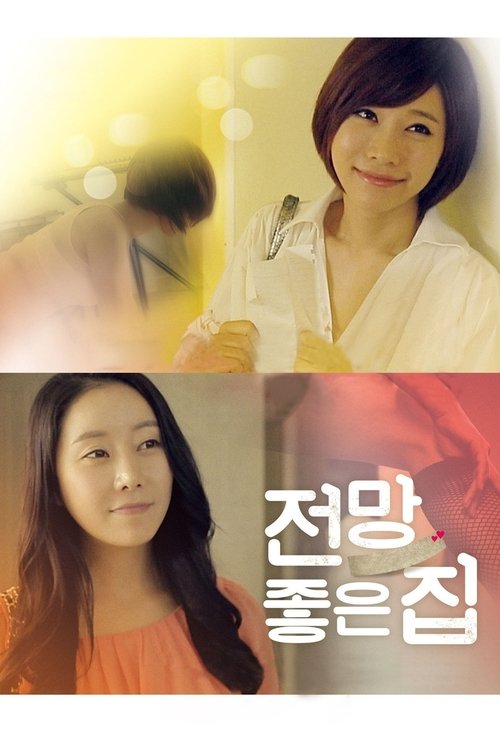
House with a Nice View
2012
No user ratings available yet
Diversity score: 4.8 out of 10

2004
Director
Yonfan
Runtime
106 minutes
Average Rating
No ratings yetSynopsis
A real estate agent is drawn into a torrid - and sadomasochistic - relationship with a morose, stunningly beautiful Japanese photographer. The two cavort in a luxurious apartment owned by an elegant upper-crust Japanese lady, crossing paths with an infatuated policeman, a mysterious Korean woman, and an increasingly tangled web of violence, criss-crossing passions, and lurid, unchecked desires.
Overall Score
Good
Category Breakdown
LGBTQ+ Representation
The film builds its narrative on non-heteronormative dynamics and unconventional intimate connections. By focusing on sadomasochistic relationships, it challenges traditional standards of intimacy and explores identity outside of rigid societal frameworks.
Gender Representation
Female agency is centered through aesthetic and sexual power, featuring influential characters like a Japanese photographer and an elegant lady. Masculinity is often portrayed through vulnerability or obsession rather than traditional command.
Racial & Ethnic Diversity
A pan-Asian casting approach weaves Japanese, Korean, and Hong Kong identities into a shared landscape. This blending of ethnicities within high-society contexts challenges the idea of homogeneous social circles.
Religious & Cultural Diversity
The film rejects traditional social structures by portraying unchecked desires and violence as central to the human experience. Characters operate through situational ethics where personal passion supersedes law or social duty.
Disability Representation
There is no significant evidence regarding the portrayal of physical or neurodivergent disabilities within the film.
Strengths
Areas for Improvement
AI Analysis
Yonfan’s *Colour Blossoms* is a stylized, eroticized exploration of desire that prioritizes sensory experience over traditional romantic archetypes. The film disrupts conventional cinematic expectations by centering non-traditional power dynamics and transgressive intimacy. The work functions as a critique of social restraint, opting for a postmodern exploration of identity. By focusing on characters who navigate life through transgression, the film successfully subverts established hierarchies of gender and morality. While the film excels in exploring unconventional intimacy and pan-Asian identities, it lacks representation regarding disability. Its strength lies in its refusal to provide a moral compass, favoring subjective truth over institutional guidance.
2012
1986
2000

1998

1965

2007
2004

2024

2007

2001
2000

2001
No reviews yet. Be the first to share your thoughts on this movie!
Use the rating form above to leave a star rating and optional review.