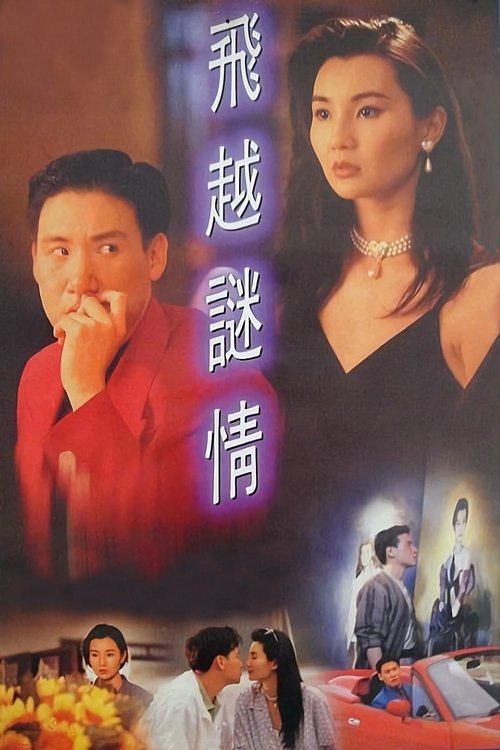
The Enigma of Love
1993
No user ratings available yet
Representation score: 4.1 out of 10
Representation Score
Limited
1994
Director
Jeffrey Lau Chun-Wai
Runtime
98 minutes
Average Rating
No ratings yetNew Showbiz Analysis
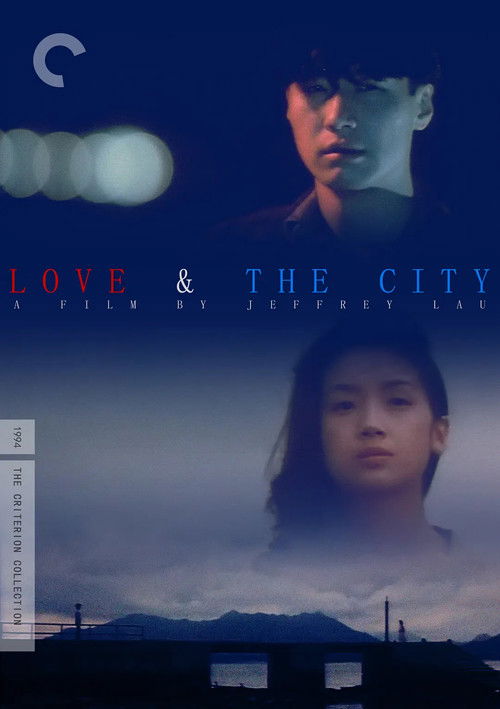
Love and the City is a standard romantic drama set in the context of 1990s Cantonese cinema. The narrative focuses on a high-stakes romance between a young mobster and a gang leader's girlfriend, prioritizing action and romance over social critique. While the film provides a culturally specific Hong Kong experience, it does not actively disrupt traditional identity politics. The representation of gender and sexuality follows the conventions of the era, focusing on melodrama rather than challenging social hierarchies. Ultimately, the film functions as a localized genre piece, prioritizing its specific cultural and romantic context over broader social issues.
Category Breakdown
The film follows a typical romantic storyline between a mobster and a gang leader's partner, adhering to conventional heterosexual relationship clichés common in 1990s genre cinema.
A powerful female character drives the central plot, but the story remains rooted in traditional romantic melodrama rather than challenging gender hierarchies.
The cast and setting are ethnically uniform, reflecting the film's Hong Kong production. It offers a culturally specific experience without incorporating multicultural casting or race-bending.
The story centers on mobster romance clichés emphasizing loyalty and underworld codes, prioritizing individual romantic pursuits over critiques of religion or Western institutions.
There is no indication of characters with physical or neurodivergent disabilities.
Present on Screen
Limited or Absent
Official Synopsis
A young mobster falls in love with the young head gang's girlfriend.
1993
1988
1989

1996
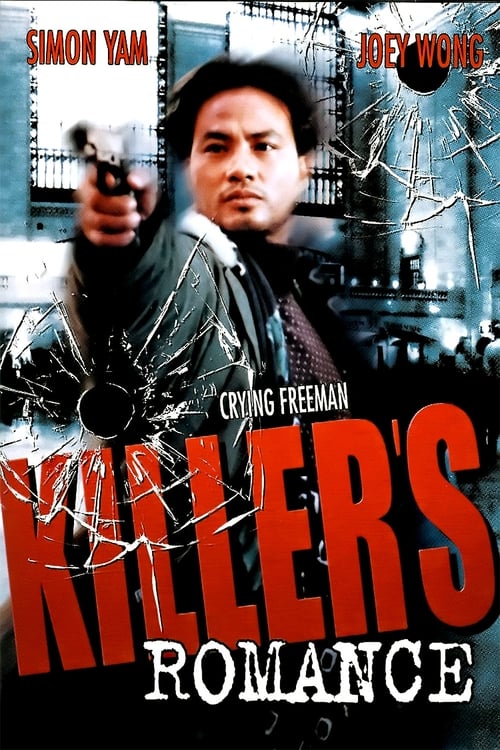
1990
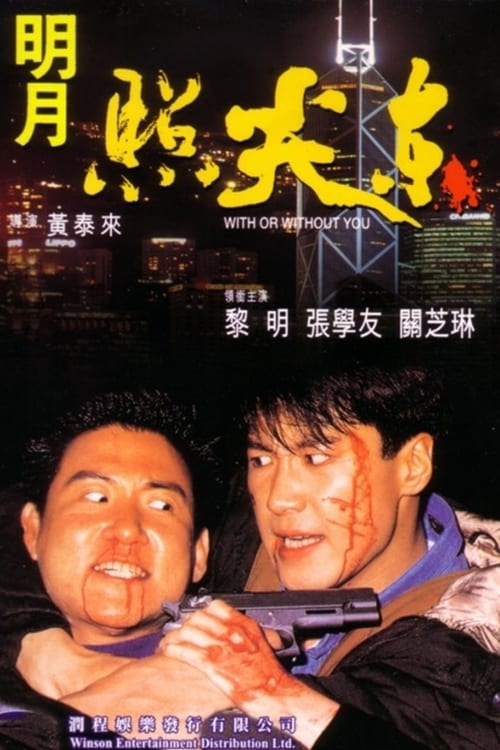
1992
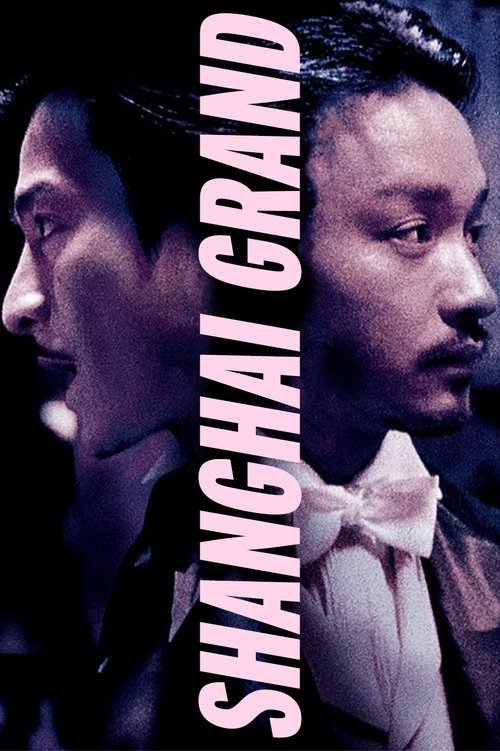
1996
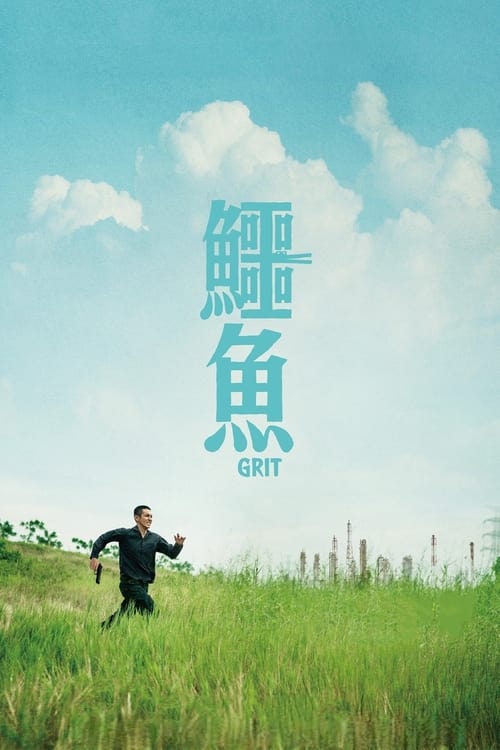
2021
No reviews yet. Be the first to share your thoughts on this movie!
Use the rating form above to leave a star rating and optional review.