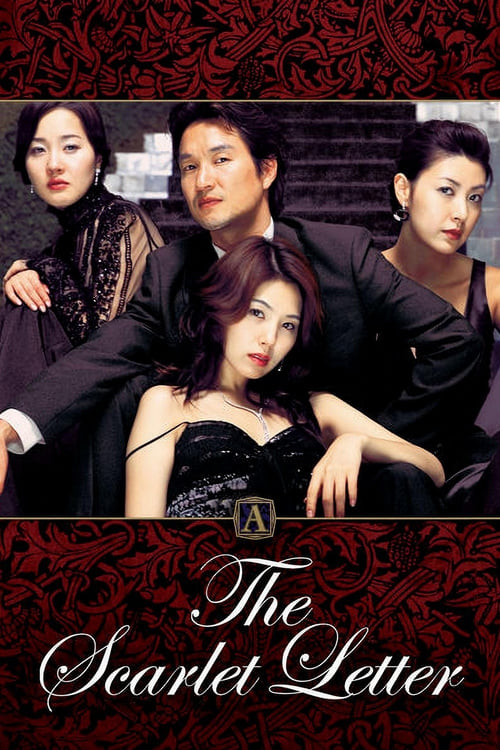
The Scarlet Letter
2004
No user ratings available yet
Representation score: 3.8 out of 10

Representation Score
Fair
1992
Director
Park Chan-wook
Runtime
103 minutes
Average Rating
No ratings yetNew Showbiz Analysis
Park Chan-wook's early work is a crime thriller that prioritizes individual impulses over established social norms. Its strength lies in disrupting institutional stability and challenging traditional morality. However, the film lacks diverse representation. It focuses on a localized, heterosexual narrative without providing much representation for LGBTQ+ identities or diverse ethnic backgrounds. Ultimately, the film's progressive value lies in its subversion of organizational loyalty rather than its approach to identity-based diversity.
Category Breakdown
The story focuses on a heterosexual affair outside of marriage. There are no characters with queer identities or non-conforming gender narratives.
The plot revolves around a woman who disrupts a criminal organization through her affair. It is unclear if she has true control over her actions or if she mainly triggers conflicts between men.
Set in Busan, South Korea, the cast reflects the local population. The story is localized and does not offer a multi-ethnic or global perspective.
The film criticizes strict social control by depicting theft and infidelity as ways to escape rigid social hierarchies. It emphasizes personal desires over traditional civic duties.
There are no characters with physical, sensory, or neurodivergent disabilities mentioned in the film.
Present on Screen
Limited or Absent
Official Synopsis
A gangster in Busan is caught having an affair with his boss' mistress and the two run off with their organization's money.
2004

2002

1999
2012
2016
1999

2000
1998
No reviews yet. Be the first to share your thoughts on this movie!
Use the rating form above to leave a star rating and optional review.