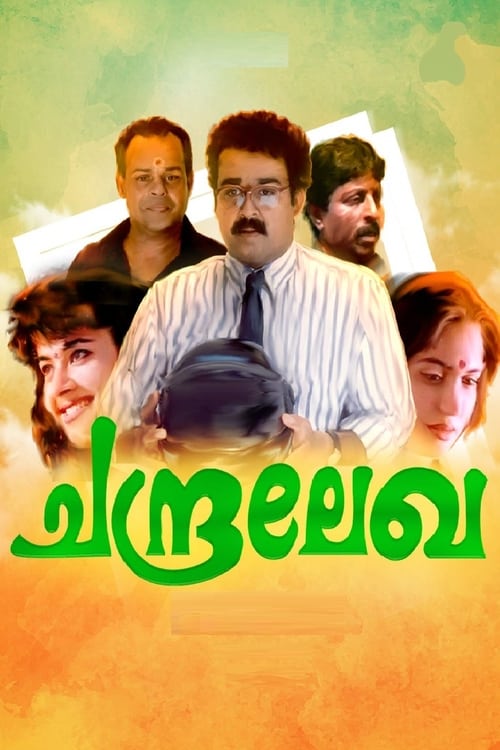
Chandralekha
1997
No user ratings available yet
Diversity score: 2.7 out of 10
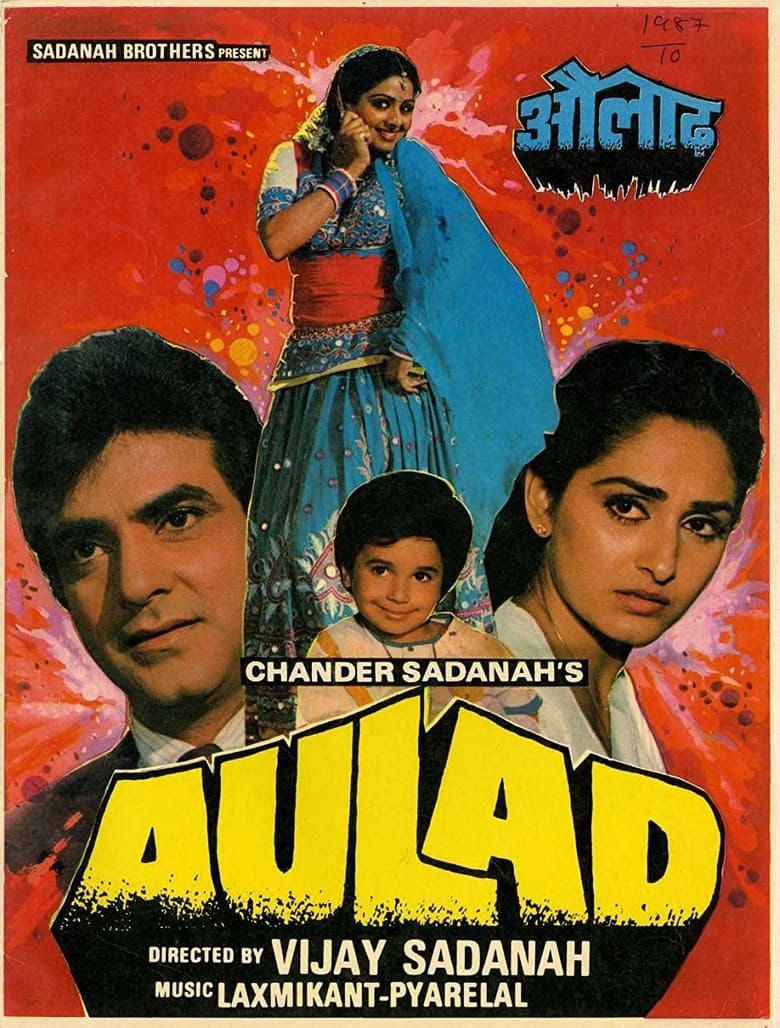
1987
Director
Vijay Sadanah
Average Rating
No ratings yetSynopsis
Believing his wife to be dead, a man lets a woman, who has lost her child, nurse and bring up his infant son - until he finds out that his wife is still alive, and wants the baby back at any cost.
Overall Score
Limited
Category Breakdown
LGBTQ+ Representation
The film focuses on heteronormative family structures and the biological bond of motherhood. There is no presence of non-cisnormative identities or critiques of traditional norms.
Gender Representation
The plot relies on conventional domestic tropes, centering on the maternal figure and the husband as protector. While female agency exists regarding parental rights, it does not subvert gender hierarchies.
Racial & Ethnic Diversity
The film operates within a specific cultural milieu typical of its era. It does not show an intentional effort to disrupt ethnic homogeneity or challenge historical casting norms.
Religious & Cultural Diversity
The narrative reinforces traditional social institutions, specifically the sanctity of the nuclear family. Tension arises from preserving biological lineage rather than critiquing social structures.
Disability Representation
There is no mention of characters navigating physical, neurodivergent, or sensory disabilities within the narrative.
Strengths
Areas for Improvement
AI Analysis
Aulad is a traditional 1980s romantic melodrama that prioritizes emotional resonance through established social hierarchies. The story centers on domestic conflict and the preservation of the nuclear family unit. The film adheres to the storytelling expectations of its era, focusing on maternal rights and biological lineage. It lacks an intersectional lens, opting instead for conventional tropes regarding gender and family. Ultimately, the film functions as a study of domestic crisis resolution rather than a deconstruction of systemic power dynamics or diverse identities.
1997
1977
1994

1968

1959
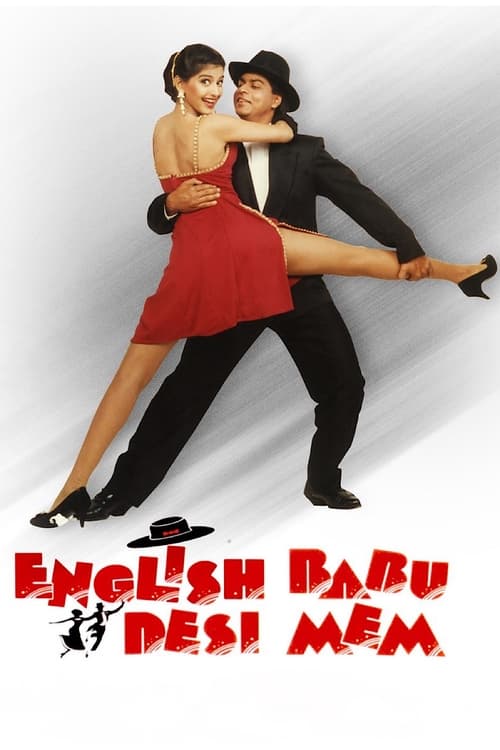
1996

1984

2005
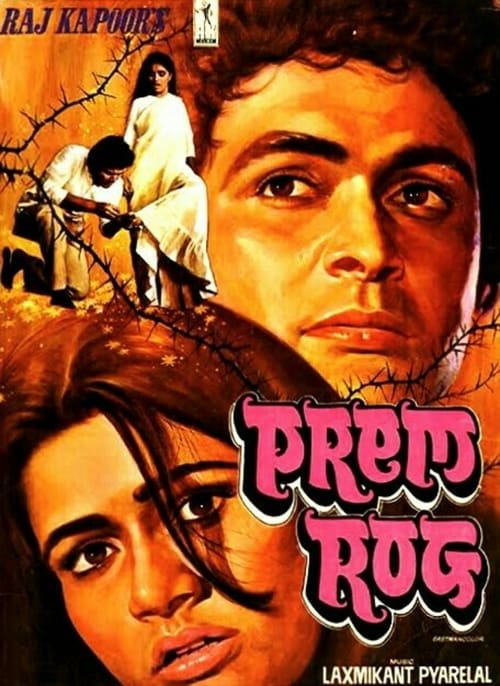
1982
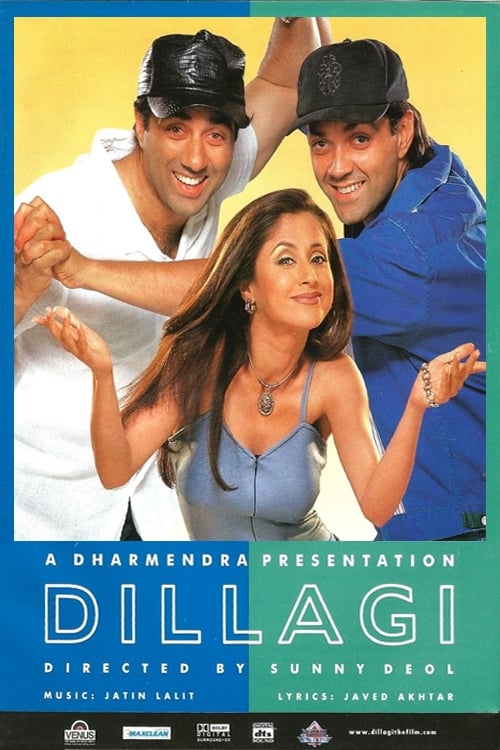
1999
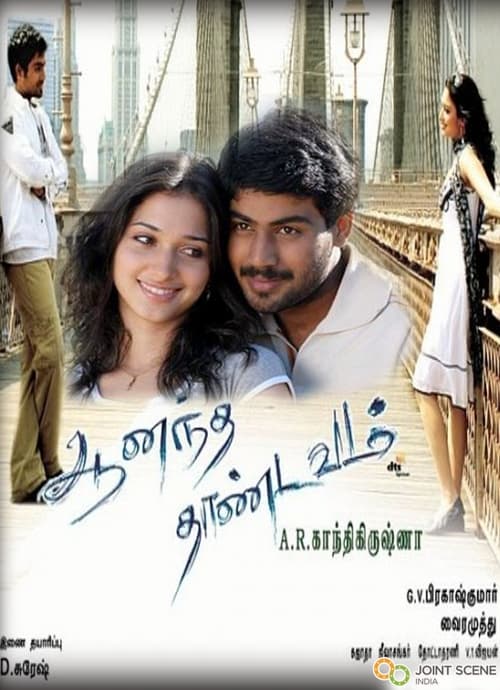
2009
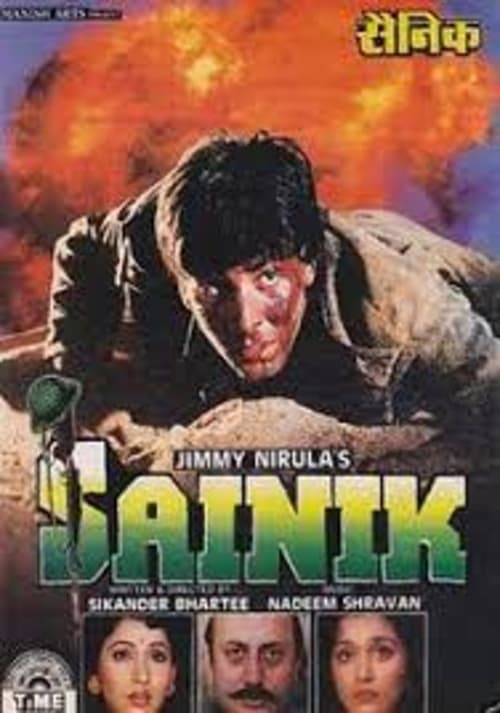
1993
No reviews yet. Be the first to share your thoughts on this movie!
Use the rating form above to leave a star rating and optional review.