Dhaai Akshar Prem Ke
2000
No user ratings available yet
Diversity score: 3.3 out of 10
1957
Director
L. V. Prasad
Average Rating
No ratings yetSynopsis
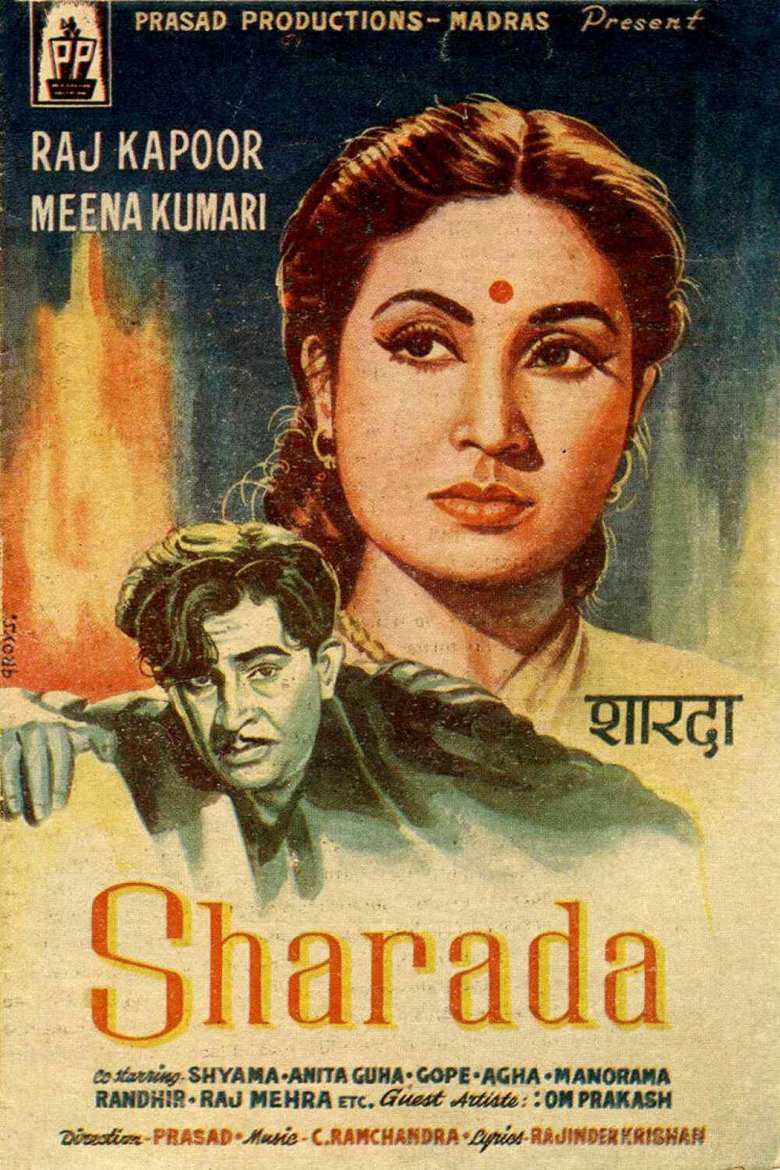
After Shekhar (Raj Kapoor) falls for beautiful Sharada (Meena Kumari), he makes her promise that she'll wait for him while he goes abroad on a business trip. But when Shekhar's plane goes down in flames, Sharada finds comfort in the arms of another man, not knowing that he's Shekhar's widowed father (Raj Mehra). Trouble is, Shekhar survived the crash and soon returns home, only to discover that Sharada has become … his mother!
Overall Score
Limited
Category Breakdown
LGBTQ+ Representation
The film operates within a strictly heteronormative framework. There is no presence of non-cisnormative identities or same-sex intimacy, as the plot focuses on traditional romantic and familial bonds.
Gender Representation
The narrative reinforces mid-century hierarchies, limiting the female protagonist's agency to domestic roles and endurance. It centers on traditional feminine virtues like patience rather than subverting social expectations.
Racial & Ethnic Diversity
The cast is ethnically homogeneous, reflecting the specific regional context of 1950s Indian cinema. It provides a standard representation of its cultural milieu without engaging in racial tropes.
Religious & Cultural Diversity
The story prioritizes family sanctity and social cohesion over individual rebellion. It promotes a singular moral framework where duty and cultural values guide all character decisions.
Disability Representation
There are no documented instances of characters with visible or invisible disabilities driving the narrative or serving as plot devices.
Strengths
Areas for Improvement
AI Analysis
Sharada is a quintessential mid-century social drama that upholds established moral frameworks and traditional social hierarchies. The plot relies on complex emotional entanglements and familial duty rather than challenging systemic norms. While the film offers a culturally specific portrait of its era, it lacks intentionality in diversifying its representation. The narrative structure remains firmly rooted in the conventional social expectations of 1957. Ultimately, the film serves as a reflection of its time, prioritizing the maintenance of family honor and social stability over modern concepts of individualistic or intersectional identity.
2000
1930

1914
1932
1920
1998

2004
1962
1979

2017

2018
1970
No reviews yet. Be the first to share your thoughts on this movie!
Use the rating form above to leave a star rating and optional review.