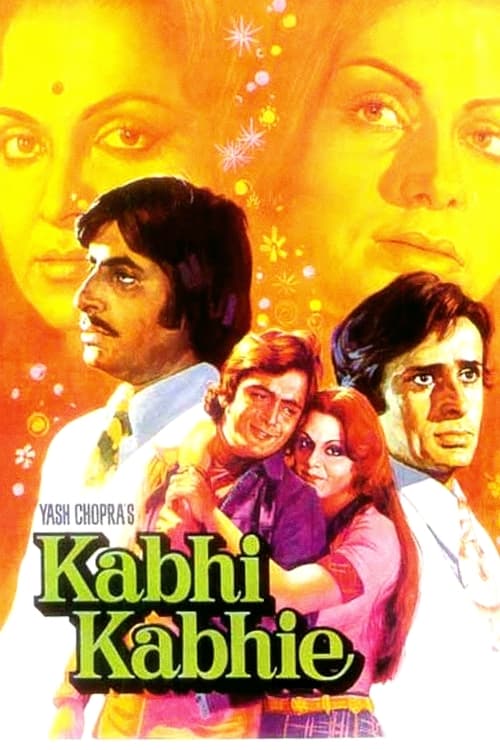
Kabhi Kabhie
1976
No user ratings available yet
Representation score: 2.2 out of 10
Representation Score
Limited
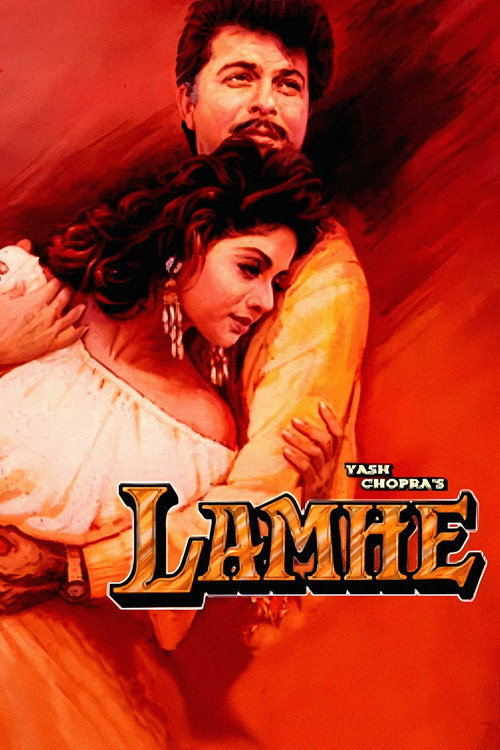
1991
Not RatedDirector
Yash Chopra
Runtime
187 minutes
Average Rating
No ratings yetNew Showbiz Analysis
Yash Chopra’s *Lamhe* is a nuanced romantic drama that explores the emotional resilience of its characters. While it stays within traditional social norms, it delves deeply into the psychological and emotional journeys of its female leads. The film’s strength lies in its authentic cultural setting and its exploration of complex ethical dilemmas. However, it remains firmly rooted in conventional social structures.
Category Breakdown
The film adheres to traditional assumptions where everyone is assumed to be straight and cisgender. There is no depiction of same-sex relationships or LGBTQ+ identities.
The story highlights the emotional roles of women, contrasting a traditional, self-sacrificing mother with a more independent and spirited daughter.
The film features a predominantly South Asian cast, providing an authentic look at Indian social structures without any whitewashing.
The movie emphasizes traditional Indian customs and family ties, exploring moral complexities through taboo romantic relationships.
There are no visible portrayals of physical, sensory, or neurodivergent disabilities in the film.
Present on Screen
Limited or Absent
Official Synopsis
Viren falls for Pallavi, but she marries Siddharth. The couple dies, leaving behind their daughter, who grows up to look just like her mother and falls in love with Viren.
1976
1994
1989

1989
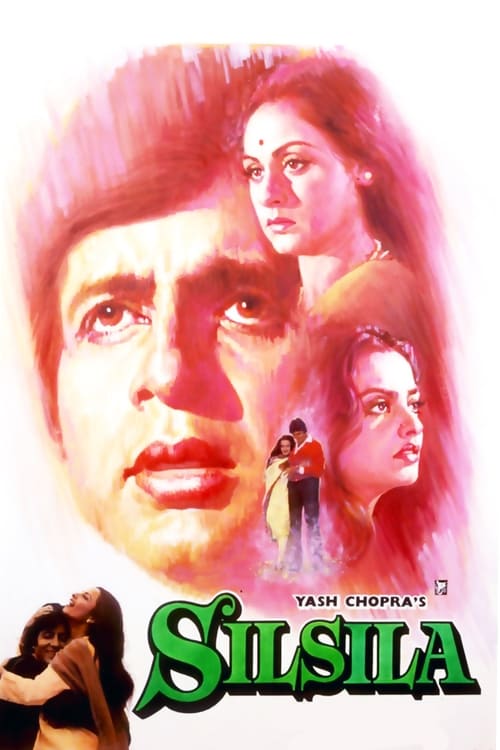
1981

2012

2004
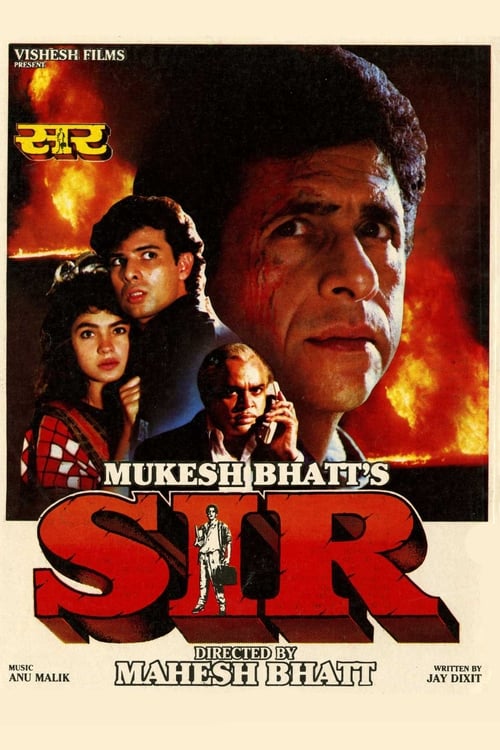
1993
No reviews yet. Be the first to share your thoughts on this movie!
Use the rating form above to leave a star rating and optional review.