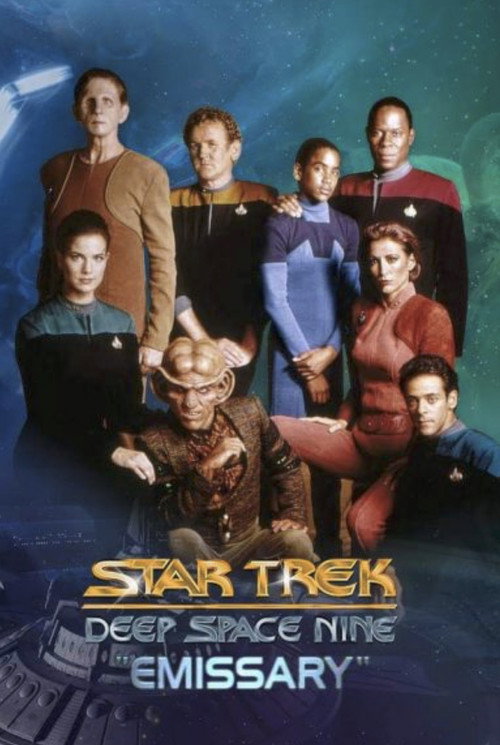
Star Trek: Deep Space Nine - Emissary
1993
No user ratings available yet
Representation score: 8.7 out of 10
Representation Score
Excellent
2014
TV-PGDirector
Winrich Kolbe
Runtime
105 minutes
Average Rating
No ratings yetNew Showbiz Analysis
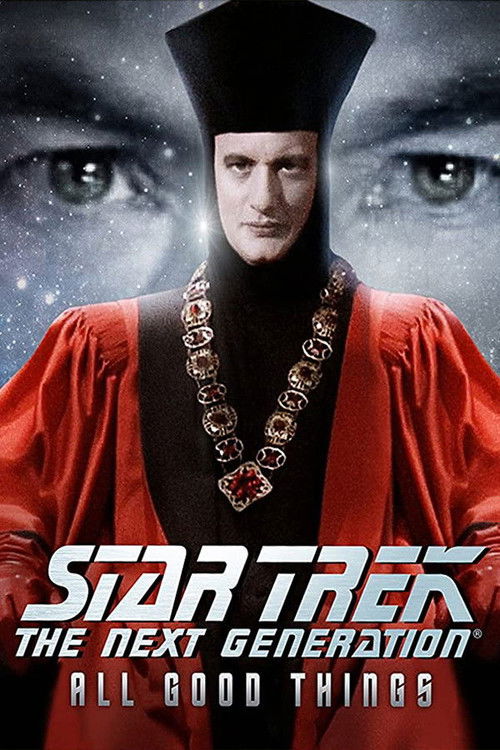
The series finale presents a sophisticated, multicultural utopia where diverse identities are embedded into a framework of high professional competence. The narrative successfully deconstructs traditional hierarchies of gender and race by placing diverse characters in positions of command and technical expertise. However, the focus remains heavily on the existential journey of Captain Picard. This centralization of the protagonist limits the exploration of specific identity-driven narratives, particularly regarding LGBTQ+ representation and disability. Ultimately, the work excels at portraying a post-racial, post-scarcity society. It moves beyond mere including someone from a minority group without giving them real depth by making diversity a structural component of the Federation's meritocratic leadership.
Category Breakdown
The story focuses on Captain Picard's time travel journey, maintaining a professional, straight-centered baseline. It lacks explicit LGBTQ+ character arcs, reflecting mid-90s television conventions while avoiding derogatory clichés.
Women like Counselor Troi and Dr. Crusher hold high-ranking roles and exercise significant intellectual ability to act. They serve as essential pillars of the command structure, driving technical and psychological resolutions.
The ensemble includes characters like Geordi La Forge and Deanna Troi in positions of high authority. This multi-ethnic meritocracy reflects a post-racial society where identity is integrated into a functional collective.
The narrative promotes a secular, humanist worldview within a post-scarcity framework. The United Federation of Planets functions as a critique of traditional nationalist structures and market-driven social organization.
The episode lacks prominent characters with visible or invisible disabilities as central plot drivers. While the crew appears high-functioning, there is a lack of specific neurodivergent or physical ability to act.
Present on Screen
Limited or Absent
Official Synopsis
Capt. Picard finds himself shifting continually into the past, future and present and must use that to discover a threat to humanity's existence.
1993

2014

2007
2008
1995

2007
2013
1994
No reviews yet. Be the first to share your thoughts on this movie!
Use the rating form above to leave a star rating and optional review.