
Doctor Who: Planet of the Daleks
1973
No user ratings available yet
Representation score: 2.8 out of 10
Representation Score
Limited
1984
Director
Ron Jones
Runtime
100 minutes
Average Rating
No ratings yetNew Showbiz Analysis
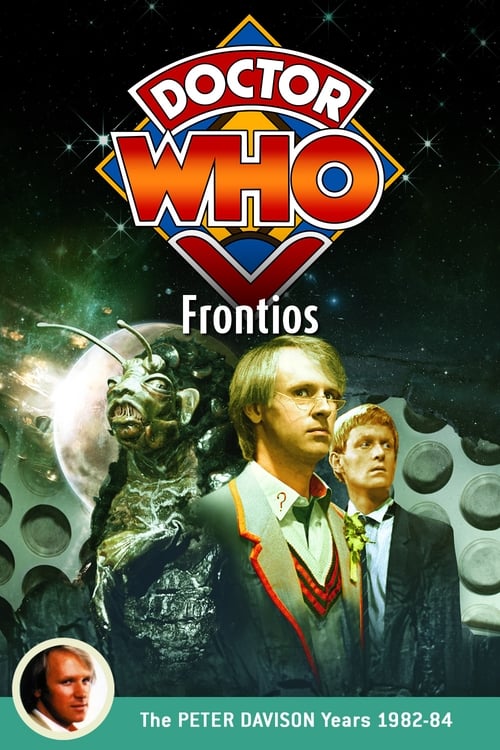
Frontios is a conventional science fiction series that emphasizes plot-driven survival over exploring identity. The story structure relies on traditional adventure clichés, limiting its engagement with social complexity. The production reflects the standard constraints of 1980s BBC science fiction. It lacks the intention to disrupt social hierarchies or offer meaningful characters who reflect more than one aspect of diversity, presenting a homogeneous colonial setting. Ultimately, the work functions as a typical genre piece. It avoids systemic critiques of power or culture, focusing instead on the immediate threat posed by the replicators.
Category Breakdown
The show doesn't include any LGBTQ+ characters or depict non-straight relationships. The social dynamics stick to typical character types from the time period.
Gender roles follow traditional 1980s TV conventions. While the main character drives the plot, female characters like Tegan mostly support the action rather than challenge established hierarchies.
The cast and the colony residents are mainly white, following the casting norms of the mid-1980s. The setting lacks demographic diversity or the use of non-human species as symbols for diversity.
The story focuses on a typical human versus technology conflict. It avoids deeper political or systemic critiques, concentrating on simple good versus evil themes and biological survival.
There are no prominent depictions of visible or invisible disabilities. Characters are shown as fully capable, with no storylines centered around neurodivergence or chronic illness.
Present on Screen
Limited or Absent
Official Synopsis
"Frontios buries its own dead", or so the saying goes. The Doctor, Turlough and Tegan are forced into landing on the remote planet of Frontios, a human colony where deaths go unaccounted for. What lies beneath the surface, dragging its victims down?
1973

1996

1985

2014
1985

1998

1974

1969
No reviews yet. Be the first to share your thoughts on this movie!
Use the rating form above to leave a star rating and optional review.