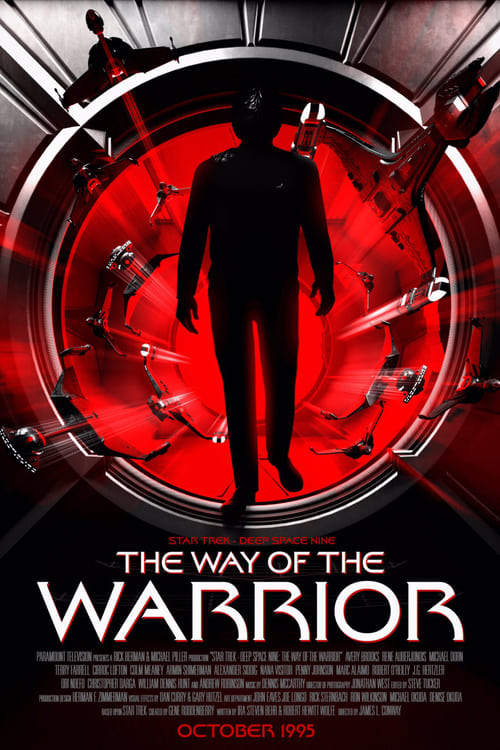
Star Trek: Deep Space Nine - The Way of the Warrior
1995
No user ratings available yet
Representation score: 7.1 out of 10
Representation Score
Excellent
1993
TV-PGDirector
David Carson
Runtime
87 minutes
Average Rating
No ratings yetNew Showbiz Analysis
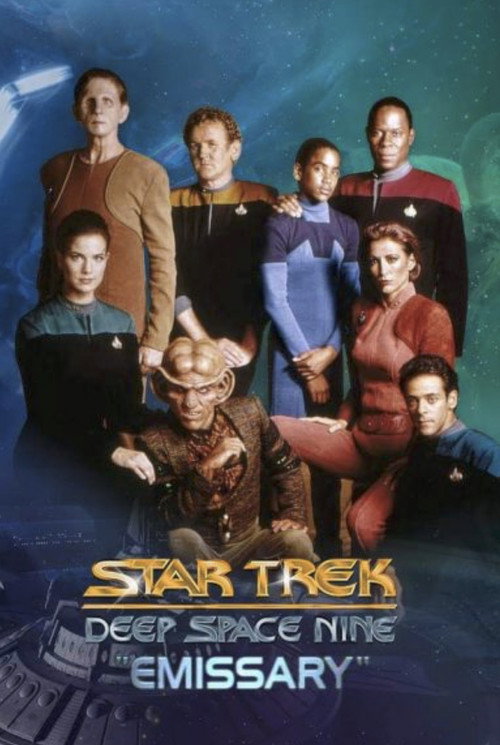
The pilot marks a sophisticated shift in science fiction by moving away from frontier exploration toward a study of systemic power and post-colonial recovery. It excels by centering its narrative on the friction between religious and secular authority. While the film offers deep metaphorical explorations of race and culture through its multi-species society, it remains limited in its explicit depiction of LGBTQ+ identities and physical disabilities. The strength of the work lies in its political nuance and decentralized command structures. Ultimately, the film challenges monolithic storytelling by presenting a complex, multi-polar political landscape that prioritizes systemic critique over simple heroism.
Category Breakdown
The pilot does not feature central LGBTQ+ characters or explicit non-cisgender identities. While the Trill symbiosis concept hints at fluid identities, there is a lack of direct representation in this particular episode.
Female characters such as Kira Nerys and Jadzia Dax play crucial roles of authority and tactical importance. The narrative challenges traditional gender roles by emphasizing competence and individual ability to act over gender stereotypes.
The film uses non-human species as metaphors for ethnic diversity and post-colonial struggles. Casting Benjamin Sisko, a Black man, in a central leadership role breaks traditional sci-fi archetypes.
The story explores the tension between secular Federation empiricism and Bajoran spiritual traditions. It presents a nuanced critique of imperialism through the depiction of the Cardassian occupation.
Physical or neurodivergent disabilities are not central to the plot. The Trill symbiosis introduces a form of biological alterity, though it is treated as a cultural norm rather than a struggle.
Present on Screen
Limited or Absent
Official Synopsis
When the troubled Commander Sisko takes command of a surrendered space station, he learns that it borders a unique wormhole.
1995
1993
2014

2009
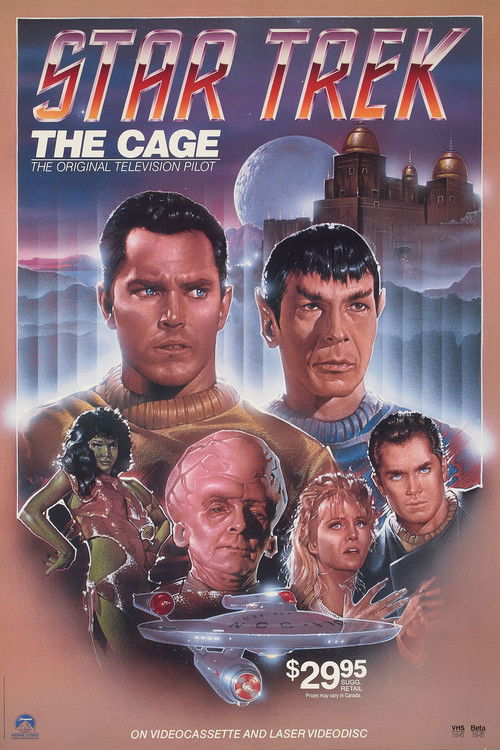
1965
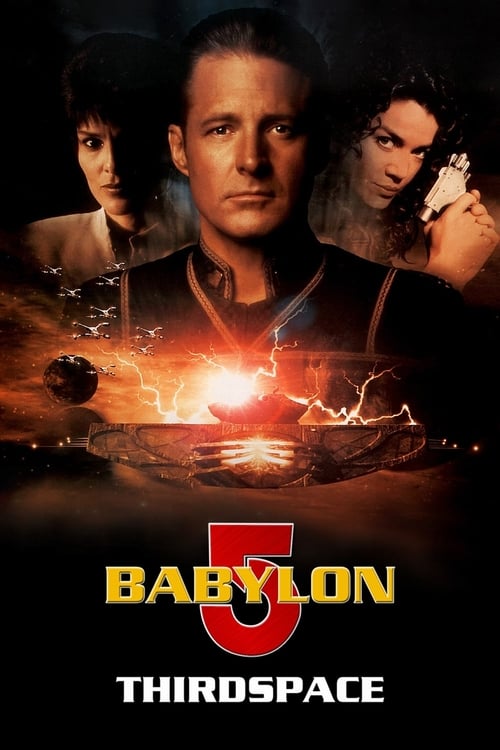
1998
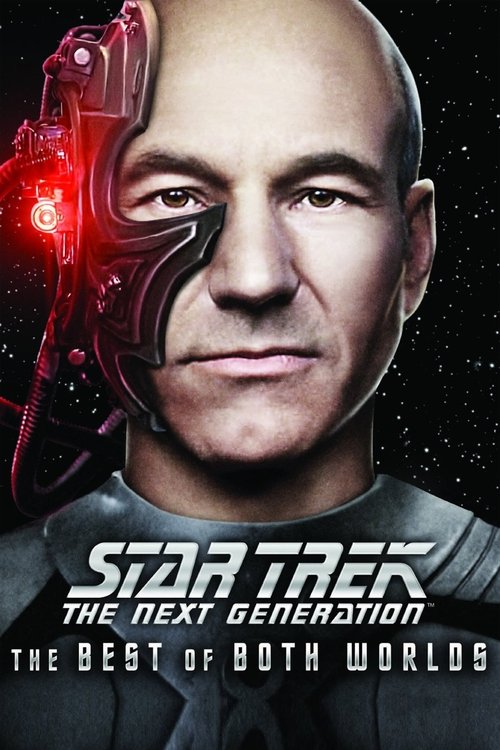
2013

1998
No reviews yet. Be the first to share your thoughts on this movie!
Use the rating form above to leave a star rating and optional review.