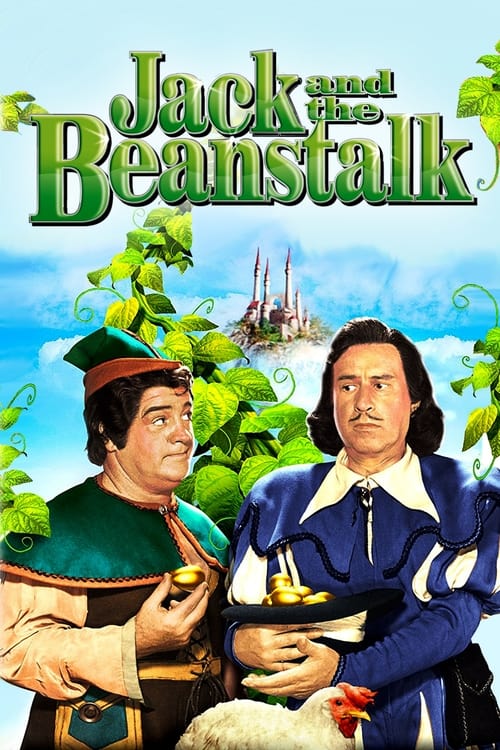
Jack and the Beanstalk
1952
No user ratings available yet
Representation score: 0.4 out of 10
Representation Score
Minimal
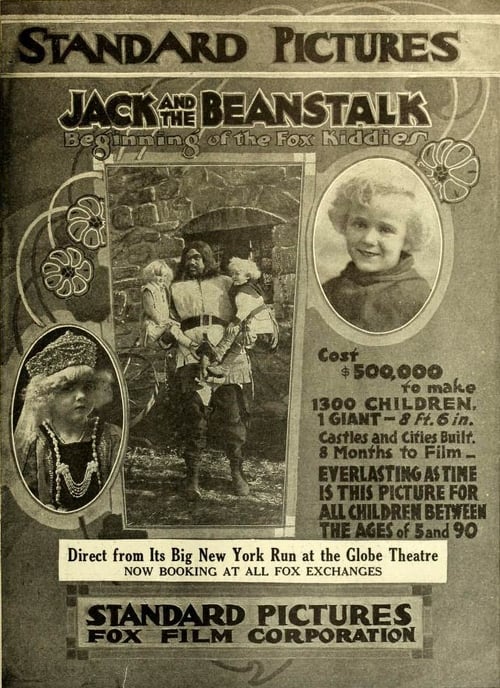
1917
ApprovedDirector
Sidney Franklin, Chester M. Franklin
Runtime
100 minutes
Average Rating
No ratings yetNew Showbiz Analysis
This 1917 silent fantasy follows a traditional hero's journey centered on Jack's individual role. The narrative relies on folklore clichés, focusing on a protagonist's quest for wealth through a transactional relationship with a giant. The production reflects the demographic and cultural constraints of early 20th-century studio filmmaking. It lacks complexity in representing diverse identities, adhering instead to the homogeneous casting and social hierarchies prevalent during the silent era. Ultimately, the film serves as a traditional narrative. It does not offer any subversion of social norms or intentional representation of diverse identities, remaining within the standard storytelling patterns of its time.
Category Breakdown
The film does not include any LGBTQ+ characters or stories about non-straight identities. It follows a traditional folkloric structure from the silent era.
The plot revolves around Jack's role and his interactions with the giant. Female characters are not given much detail, indicating a focus on male-driven hero clichés.
As an adaptation of a European fairy tale, the film reflects the homogeneous casting norms of early Hollywood. There is no evidence of diverse ethnic representation.
The story adheres to a standard Western folk tale framework. It focuses on a transactional acquisition of wealth rather than challenging cultural institutions.
There are no visible or invisible disabilities portrayed. No characters are defined by physical or mental impairments.
Present on Screen
Limited or Absent
Official Synopsis
Jack exchanges his cow for some magic beans. The beans grow overnight into a beanstalk, which Jack climbs, arriving at a castle that is his. Jack sets a deal with the giant in exchange for their fortune.
1952
1951
1994
1964
1974
1997
1902
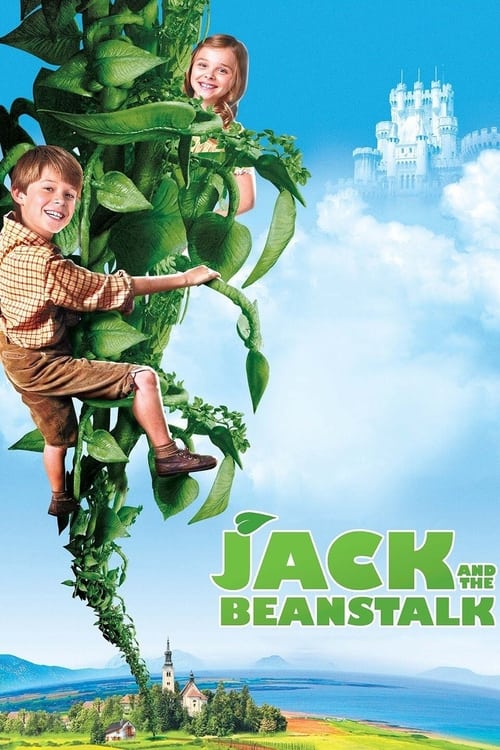
2009
No reviews yet. Be the first to share your thoughts on this movie!
Use the rating form above to leave a star rating and optional review.