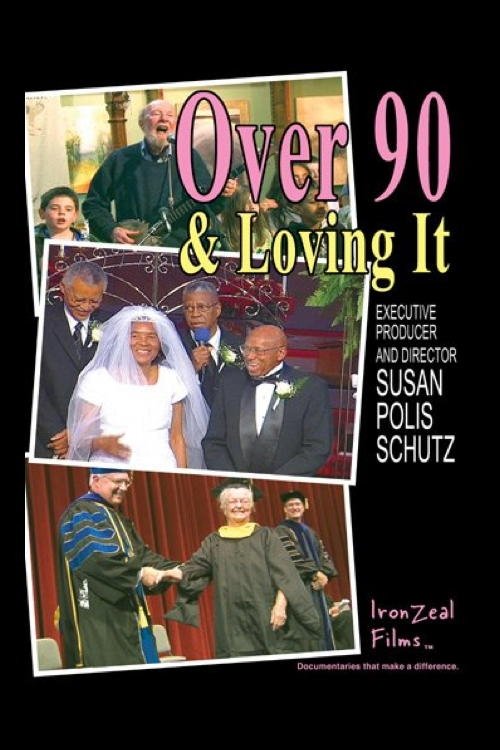
Over 90 & Loving It
2011
No user ratings available yet
Representation score: 5.6 out of 10
Representation Score
Good
2017
TV-14Director
Danny Gold
Runtime
90 minutes
Average Rating
No ratings yetNew Showbiz Analysis
The documentary offers a humanistic study of longevity, focusing on the vitality of legendary figures. It disrupts ageist clichés by presenting centenarians as productive and engaged rather than diminished or passive. While the film avoids harmful stereotypes about the elderly, it does not actively seek to dismantle systemic hierarchies. The narrative remains centered on a celebrity framework reflecting mainstream hierarchies rather than advocating for perspectives that reflect multiple aspects of identity. Overall, the film provides a multifaceted view of American history through its diverse cast of icons, prioritizing humanistic vitality over overt political or identity-based critiques.
Category Breakdown
The film highlights the reflections of well-known figures but does not center queer narratives or challenge the idea that everyone is straight. There are no specific LGBTQ+ character arcs or explorations of gender identity.
The narrative includes Betty White, providing meaningful visibility to women. By featuring her alongside male contemporaries, the film disrupts traditional male-dominated structures. It avoids clichés that portray aging women as passive or diminished.
The cast includes diverse cultural icons such as Kirk Douglas and Tony Bennett. While the ensemble reflects a range of American contributions, the film centers on a celebrity framework. There is no explicit deconstruction of racial issues.
The film challenges the common narrative of aging as a period of decline. Instead, it portrays extreme old age as rewarding and productive. However, it maintains a traditional view of legacy.
The documentary focuses on the biological realities of aging and physical longevity. It avoids 'inspiration porn' by emphasizing the ability to act and continued intellectual and social engagement of its subjects.
Present on Screen
Limited or Absent
Official Synopsis
Irrepressible writer-comedian Carl Reiner, who shows no signs of slowing down at 94, tracks down celebrated nonagenarians, and a few others over 100, to show how the twilight years can truly be the happiest and most rewarding. Among those who share their insights into what it takes to be vital and productive in older age are Mel Brooks, Dick Van Dyke, Kirk Douglas, Norman Lear, Betty White and Tony Bennett.
2011
2014

2021

2020
2024
2008
1987

2024
No reviews yet. Be the first to share your thoughts on this movie!
Use the rating form above to leave a star rating and optional review.