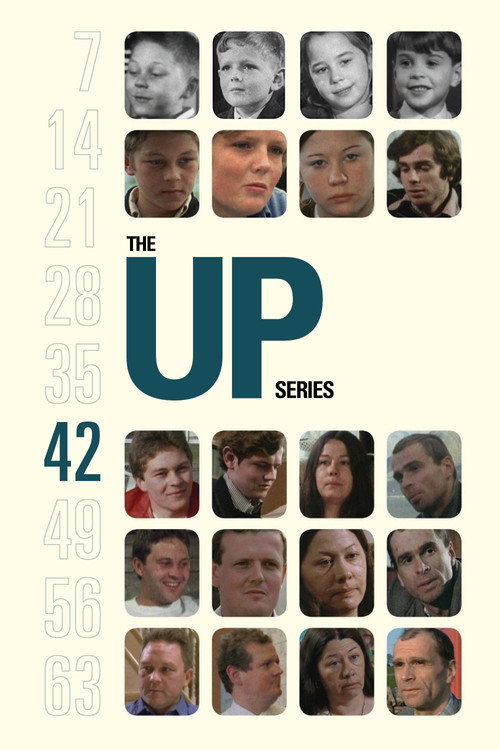
42 Up
1999
No user ratings available yet
Diversity score: 4.4 out of 10
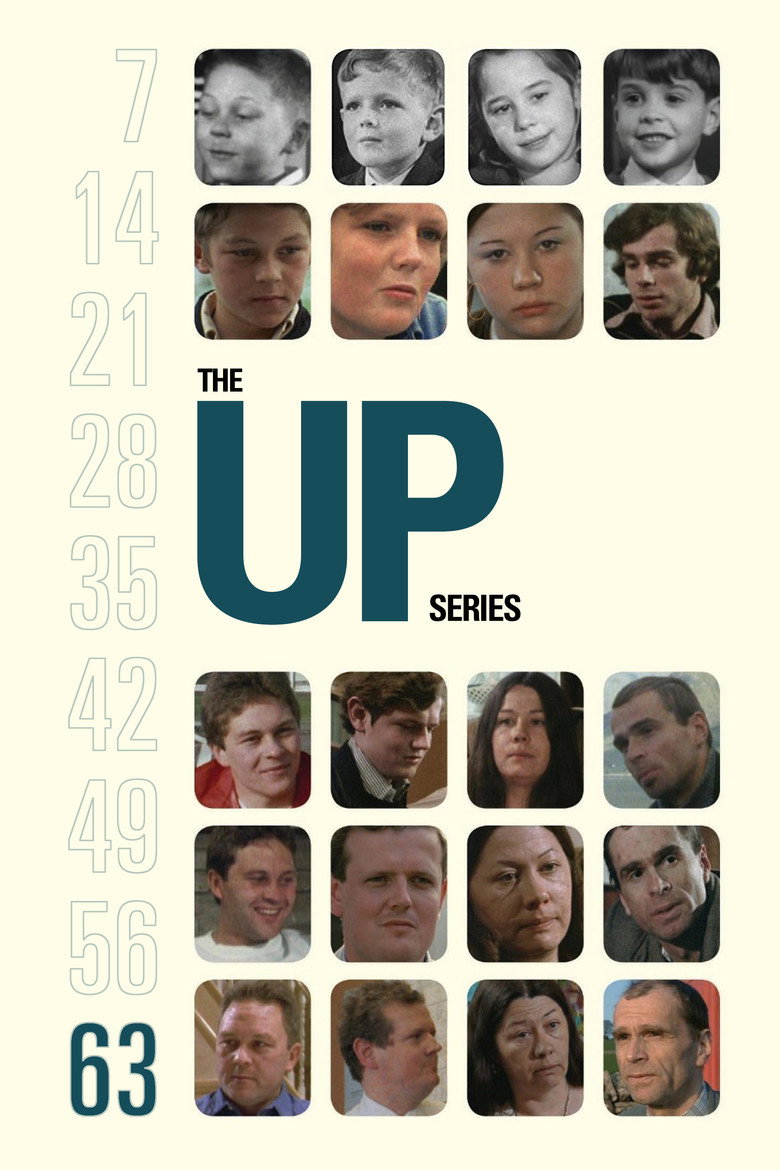
2019
UnratedDirector
Michael Apted
Runtime
145 minutes
Average Rating
No ratings yetSynopsis
Director Michael Apted revisits the same group of British-born adults after a 7 year wait. The subjects are interviewed as to the changes that have occurred in their lives during the last seven years.
Overall Score
Limited
Category Breakdown
LGBTQ+ Representation
LGBTQ+ identities appear incidentally through the personal histories of the participants. The film does not center these identities as a primary narrative driver or actively critique heteronormativity.
Gender Representation
The film depicts a wide spectrum of gendered roles, from domesticity to professional leadership. It highlights the intellectual and emotional resilience of women navigating aging and shifting expectations.
Racial & Ethnic Diversity
The cast is predominantly white and British, reflecting the specific cohort selected in 1964. This demographic homogeneity is a byproduct of the documentary's historical starting point.
Religious & Cultural Diversity
The narrative documents various religious and secular perspectives regarding the aging process. It provides a realistic view of class divergence and socioeconomic disparities without a specific political lens.
Disability Representation
Themes of physical decline and chronic health issues are portrayed with significant agency. The film treats these challenges as standard components of the human condition rather than using tropes.
Strengths
Areas for Improvement
AI Analysis
63 Up serves as a longitudinal study of a specific British cohort, prioritizing historical continuity over modern social deconstruction. Because the subjects were originally selected in 1964, the film lacks the intersectional breadth and racial diversity found in contemporary media. While the documentary offers a nuanced look at aging, gendered roles, and socioeconomic shifts, it does not actively seek to dismantle social hierarchies. It functions more as a temporal snapshot of a specific era's demographic selection than a tool for social critique. Ultimately, the film's strength lies in its humanistic observation of individual lives, even as it remains demographically narrow and lacks intentional representation of marginalized identities.
1999
1991
1970
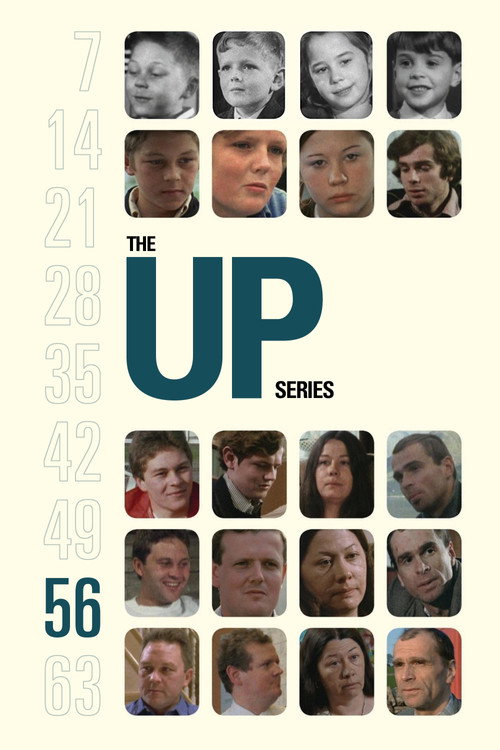
2012
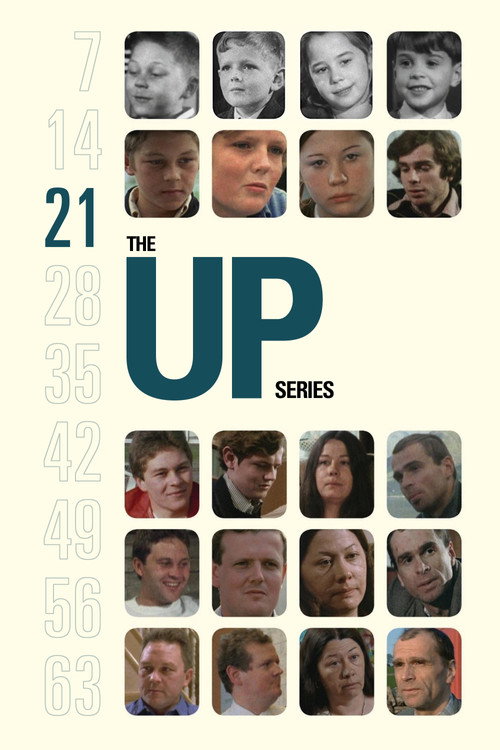
1977

1984
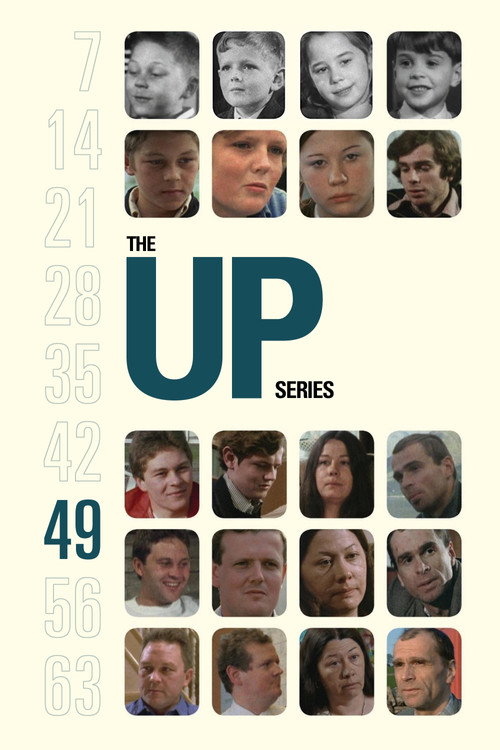
2006

2019
1994
2018

2017

2017
No reviews yet. Be the first to share your thoughts on this movie!
Use the rating form above to leave a star rating and optional review.