
Don't call it love... call it x
2011
No user ratings available yet
Diversity score: 4.1 out of 10
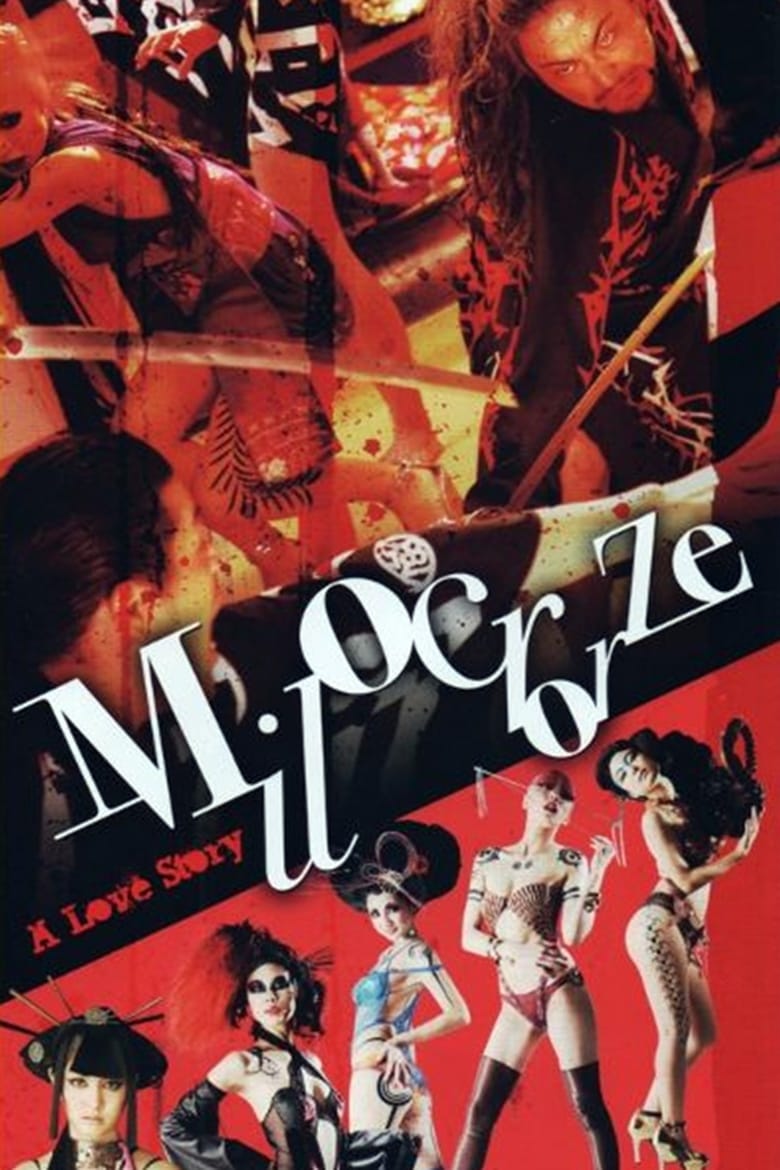
2011
Director
Yoshimasa Ishibashi
Runtime
90 minutes
Average Rating
No ratings yetSynopsis
Three tales of love told through wildly intoxicating, colorful stories. When platinum redhead Ovreneli Vreneligare was just a little boy, he fell in love in the park. Sharing a juice box with the stunningly gorgeous Milocrorze, he took her home to his cat, Verandola Gorgonzola, and made her his girlfriend until the fickle beauty abandoned him, and he covered the hole in his heart with a pot lid he found lying on the ground. This is only the beginning of his story but it’s not the end of his heartbreak. MILOCRORZE: A LOVE STORY is a candy-flavored anthology of hopeless l’amour, and it has many victims.
Overall Score
Fair
Category Breakdown
LGBTQ+ Representation
The film's surreal, non-traditional approach to love suggests a departure from heteronormative tropes. While specific queer identities are not explicitly confirmed, the narrative's eccentricity hints at potential gender-fluid expressions of affection.
Gender Representation
The story disrupts traditional masculinity by focusing on the protagonist's extreme emotional vulnerability. By using absurd imagery to depict heartbreak, the film challenges standard depictions of stoic male archetypes.
Racial & Ethnic Diversity
The film lacks verifiable evidence regarding the racial makeup of its cast. Character names suggest a highly stylized, fantasy-based linguistic framework that leans toward a Eurocentric aesthetic.
Religious & Cultural Diversity
The narrative prioritizes subjective, postmodern emotional truths over established religious or social structures. It explores love through a secular, idiosyncratic lens rather than following traditional moralistic frameworks.
Disability Representation
There is no mention of characters navigating physical, neurodivergent, or mental health conditions within the provided narrative details.
Strengths
Areas for Improvement
AI Analysis
Milocrorze: A Love Story functions as a stylistic disruption of romantic norms. It uses a candy-flavored, surrealist lens to bypass conventional social structures, focusing instead on the absurdity of human connection. The film succeeds in subverting gendered expectations by replacing stoicism with surreal emotionality. However, the lack of clear data regarding racial diversity and specific identity-based representation limits its overall impact. Ultimately, the work is a postmodern exploration of emotion. It challenges the rigidity of standard storytelling but remains vague regarding the specific intersectional identities of its characters.
2011
1964
1976

1981
2008

2010
2022
2001

2017
2005
1986
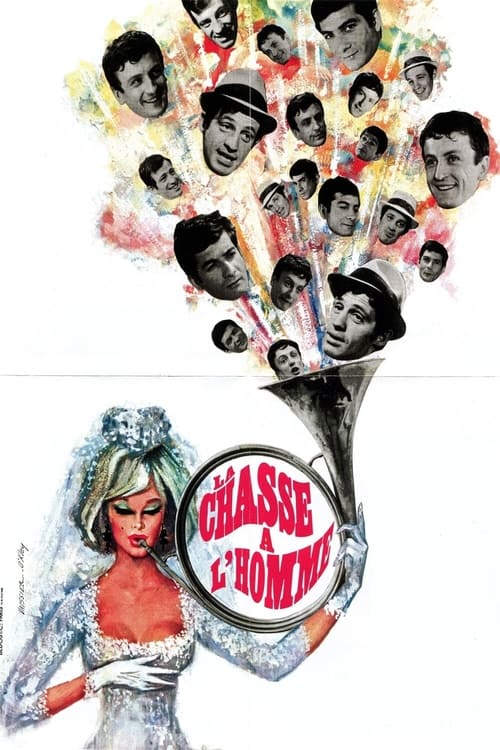
1964
No reviews yet. Be the first to share your thoughts on this movie!
Use the rating form above to leave a star rating and optional review.