
Gerhard Richter Painting
2011
No user ratings available yet
Representation score: 0.9 out of 10
Representation Score
Limited
2012
Director
Michael Blackwood
Runtime
53 minutes
Average Rating
No ratings yetNew Showbiz Analysis
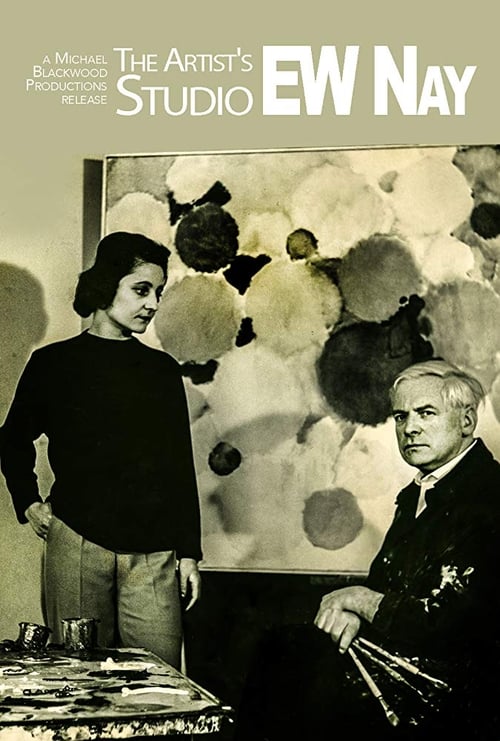
The documentary serves as a specialized historical study of Ernst Wilhelm Nay's life and artistic resilience. Its primary value lies in documenting the struggle against systemic censorship and the Nazi regime's attempt to suppress 'decadent' art. While the film lacks modern multi-layered identity politics or a diverse cast, it offers a meaningful critique of authoritarian hierarchies. The inclusion of Elisabeth Nay adds a layer of gendered ability to act to the historical narrative. Ultimately, the work remains a singular, historically specific European study, focusing on the preservation of individual creative expression during a period of intense political volatility.
Category Breakdown
The film focuses strictly on the biographical and artistic legacy of Ernst Wilhelm Nay. There are no visible LGBTQ+ characters or narratives addressing queer experiences.
Elisabeth Nay serves as a primary guide through the studio. Her role in interpreting her husband's creative intent provides a necessary female perspective to the documentary.
This is a localized study of a German artist within a specific European context. The narrative does not feature a diverse or multi-ethnic cast.
The film critiques totalitarianism by documenting the persecution of artists under the Nazi regime. It highlights the struggle for intellectual autonomy against state-mandated morality.
There is no documented evidence regarding the portrayal of physical or neurodivergent disabilities in this work.
Present on Screen
Limited or Absent
Official Synopsis
A visit to the studio of Ernst Wilhelm Nay, a remarkable, if somewhat solitary German artist, who established his status at age 30, just before the advent of the Nazi takeover. Nay belonged to the persecuted generation of German artists who, just as their work began to blossom, were forced out by Hitler's art dictatorship. Labeling the art "decadent", the Hitler regime called for the removal of Nay's paintings from museum collections and the artist was banned from showcasing his new work. After the end of World War II, Nay returned to painting and worked tirelessly to make up for lost time, producing new pieces year after year and quickly becoming one of Germany's leading painters. Ernst Wilhelm Nay died in 1968 at the age of 65 yet his studio, still intact, offers a retrospective of his work starting from the 1920s. His wife, Elisabeth Nay walks us through the studio, offering insights into her husband's process and creative intent.
2011

2014
2016
2021
2018

2012
1987
2017
No reviews yet. Be the first to share your thoughts on this movie!
Use the rating form above to leave a star rating and optional review.