FC Venus
2006
No user ratings available yet
Representation score: 4.1 out of 10
Representation Score
Fair
1993
Director
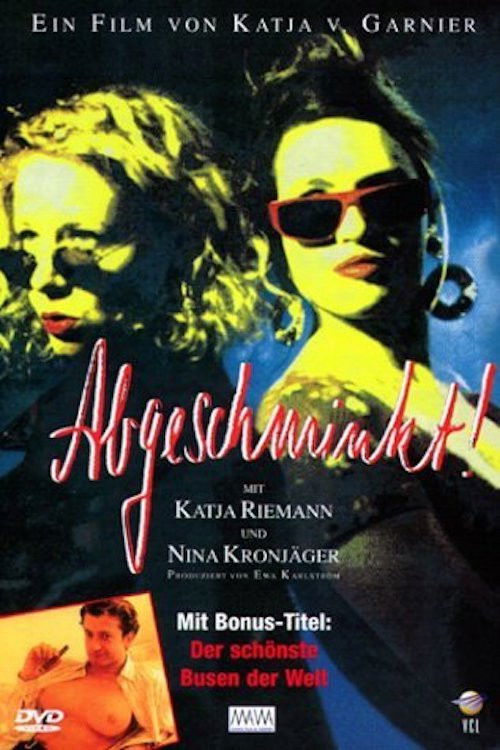
Katja von Garnier
Runtime
55 minutes
Average Rating
No ratings yetNew Showbiz Analysis
Making Up! stands out as a gender-focused satire that prioritizes female subjectivity. By centering the plot on a woman's professional creative process and her friends' autonomy, the film effectively challenges traditional romantic clichés. However, the narrative appears confined to a homogeneous German cultural setting, offering little racial or ethnic diversity. Additionally, while the film critiques traditional heterosexual structures, it does not explicitly document specific LGBTQ+ identities. Ultimately, the film is a strong exploration of women's ability to drive the story, even if it remains limited in its representation of broader social identities.
Category Breakdown
The film highlights female friendship and desire. Though specific LGBTQ identities are not detailed, the satirical tone suggests a critical stance towards traditional heterosexual relationships.
Women play a significant role in driving the narrative through professional creativity and personal autonomy. The film challenges traditional gender roles by positioning female characters as the primary observers of male archetypes.
The story focuses on a localized German social environment. There is no indication of a non-white majority cast or intentional racial blending within the narrative.
Satire is used to critique traditional marriage and romance. The film emphasizes individualistic, secular pursuits such as career and creative expression over traditional family-centric or religious ideals.
There is no discernible evidence regarding the portrayal of physical or neurodivergent disabilities in the character descriptions.
Present on Screen
Limited or Absent
Official Synopsis
An original satire about women of the 90s in search of the men of their dreams. Franzy believes she's through with men, but desperately needs new amorous story lines for the comic strip she writes for a newspaper. So she observes her friend Maischa struggling to satisfy her need for love -- and someone who knows how to install her new shelf. Since joiner Klaus demands too much attention, she sets her eyes on the good-looking footballer Rene.
2006
1995
1988
1999

1998
1999
1999
1996
No reviews yet. Be the first to share your thoughts on this movie!
Use the rating form above to leave a star rating and optional review.