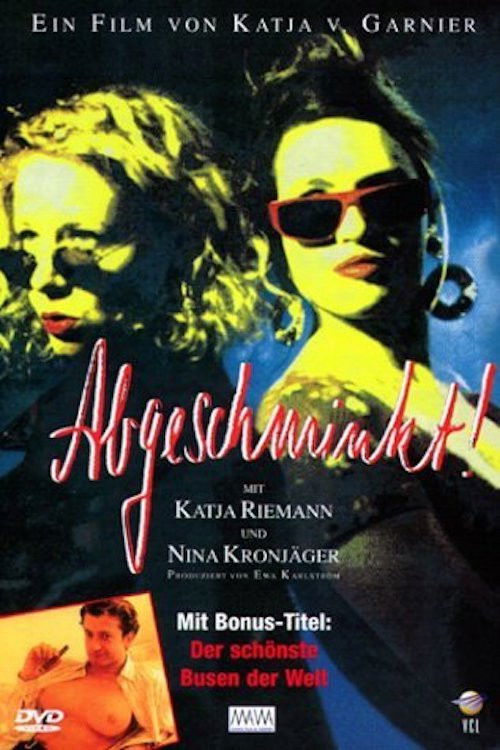
Making Up!
1993
No user ratings available yet
Diversity score: 5.3 out of 10
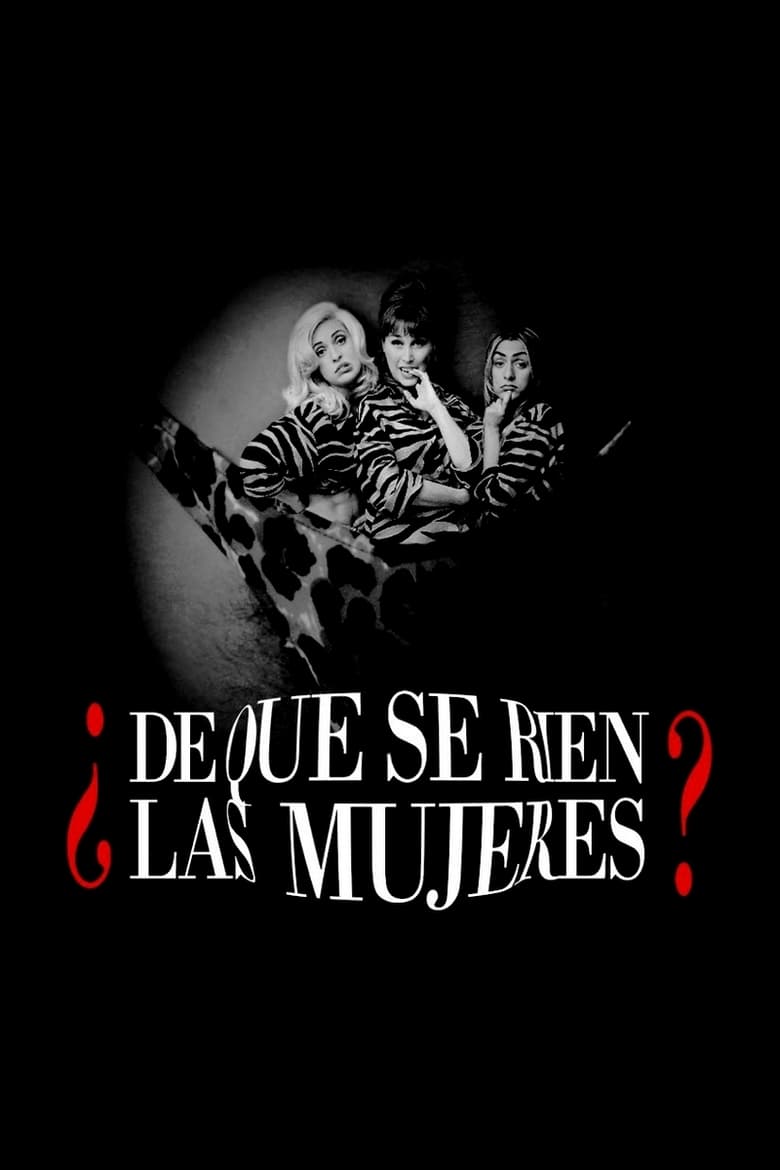
1997
Director
Joaquín Oristrell
Runtime
109 minutes
Average Rating
No ratings yetSynopsis
Luci, Graci and Mar, three sisters that make a comedy trio, go to the wedding of their father with a woman who is 45 years younger than him. During the feast Luci's husband dies in an accident. Despite the tragedy, the trio have to fulfill their commitment acting during August in Benidorm. The widow discovers thanks to a notebook that her husband cheated on her, so she decides to flirt with everyone.
Overall Score
Fair
Category Breakdown
LGBTQ+ Representation
The narrative focuses on the romantic and familial entanglements of three sisters and a widow. There is no explicit depiction of LGBTQ+ identities or non-heteronormative relationships.
Gender Representation
Women serve as the primary agents of both comedy and drama through a central trio. The plot explores female agency, particularly as a widow reclaims her autonomy after discovering her husband's infidelity.
Racial & Ethnic Diversity
Set in Benidorm, the film reflects a relatively homogeneous demographic typical of its era and location. There is no evidence of significant ethnic blending in the character arcs.
Religious & Cultural Diversity
The film critiques the sanctity of marriage and the nuclear family by framing the father's marriage as a site of deception. It prioritizes individual emotional truth over traditional domestic stability.
Disability Representation
There are no visible or invisible disabilities portrayed as central to the character arcs or plot progression.
Strengths
Areas for Improvement
AI Analysis
The film excels at subverting gender hierarchies by centering a female trio as the drivers of the story. It uses the failures of male figures to highlight female agency and autonomy. However, the production lacks significant racial and LGBTQ+ diversity, remaining focused on a localized Spanish context. This homogeneity limits the breadth of its social representation. Ultimately, the work functions as a character study that deconstructs submissive female roles, even if it operates within a narrow demographic scope.
1993
2003

1995
2003
1979

2015
1985
2011
2005

2006

2016
1998
No reviews yet. Be the first to share your thoughts on this movie!
Use the rating form above to leave a star rating and optional review.