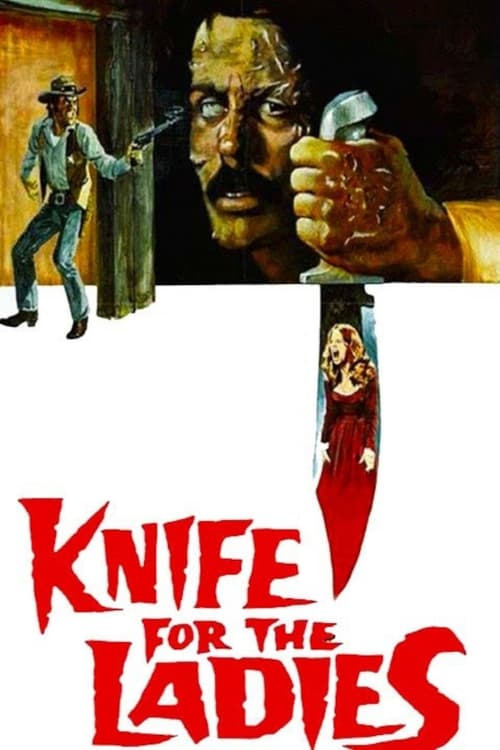
A Knife for the Ladies
1974
No user ratings available yet
Representation score: 1.4 out of 10
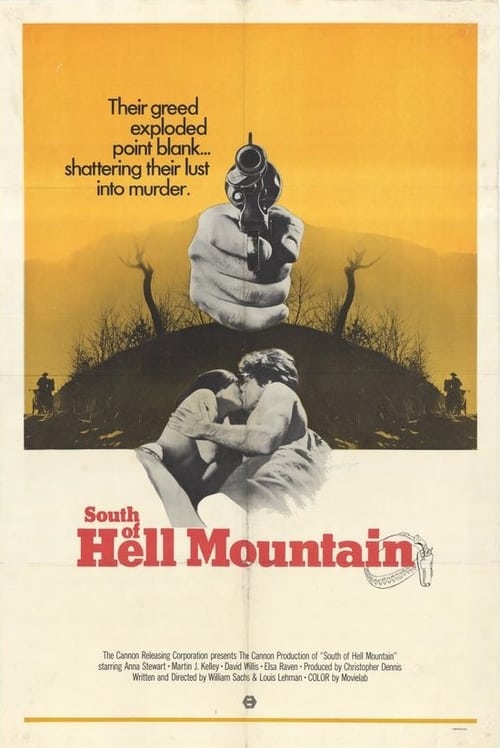
Representation Score
Fair
1971
RDirector
William Sachs, Lew Lehman
Runtime
87 minutes
Average Rating
No ratings yetNew Showbiz Analysis
South of Hell Mountain operates strictly within the conventions of 1970s exploitation and horror-western genres. The narrative focuses on traditional archetypes, such as outlaws and frontier violence, which limits its social depth. While the film employs a non-linear storytelling method through a patient's memories, this psychological subjectivity does not translate into broader characters who reflect more than one aspect of diversity. The cast and character dynamics appear to follow the homogeneous patterns common to the era. Ultimately, the film prioritizes genre clichés over systemic critique, resulting in a production that reflects the standard, limited diversity of mid-century Western cinema.
Category Breakdown
The film does not include any LGBTQ+ characters or narratives that question the assumption that everyone is straight or cisgender. The character interactions suggest a traditional, narrow focus on straight relationships typical of 1970s Westerns.
The story centers on male-driven conflict and violence. Women are present but seem to occupy roles of vulnerability within a male-dominated narrative.
The setting suggests a focus on traditional frontier archetypes. There is no evidence of non-Anglo-Saxon casting or characters of color who play a significant role in driving the story.
The story utilizes a subjective, non-linear structure through a patient's memories. However, the plot remains rooted in standard Western motifs and outlaw violence.
A central character is a mental hospital patient. This introduces themes of institutionalization, though it remains unclear if the portrayal avoids harmful clichés.
Present on Screen
Limited or Absent
Official Synopsis
After planning to only rob a gold mine, an outlaw and his two sons end up killing all of the miners. While fleeing to Canada, they stop at a small cabin in the woods where they find a woman and her stepdaughter living together. What happens afterward is told through the memories of the step-daughter, now a patient locked away in a mental hospital.
1974

1966
1971
1974
1973
1981
2020
1977
No reviews yet. Be the first to share your thoughts on this movie!
Use the rating form above to leave a star rating and optional review.