Daffy - The Commando
1943
No user ratings available yet
Representation score: 1.8 out of 10
Representation Score
Limited
1946
Director
Jiří Trnka, Jiří Brdečka
Runtime
14 minutes
Average Rating
No ratings yetNew Showbiz Analysis
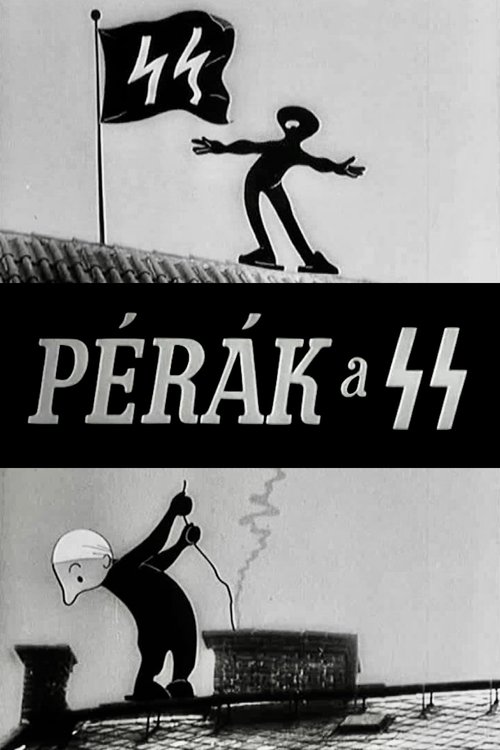
Springman and the SS serves as a sophisticated political allegory that deconstructs institutional authority. By using a legendary chimney sweep to disrupt the rigid, masculine-coded military structure of the SS, the film highlights the individual's ability to reclaim control from a dehumanizing machine. While the film lacks modern representation of LGBTQ+ identities or disability, it finds progressive value in its subversion of state-mandated order. The narrative frames vigilantism not as criminality, but as a vital resistance against systemic oppression. Ultimately, the work functions as a critique of centralized, authoritarian power, using the occupation of Prague to explore the struggle of the individual against a predatory, bureaucratic regime.
Category Breakdown
The film does not feature any documented LGBTQ+ characters or stories centered around non-straight relationships. Instead, it focuses on an allegorical struggle against occupation rather than exploring identity-based themes.
The story centers on a singular male protagonist. While it does not explicitly challenge traditional gender roles, the hero's actions disrupt the rigid, masculine-coded military hierarchy, making it seem absurd.
As a localized Czech production, it lacks a diverse cast. However, the narrative criticizes totalitarianism by depicting the occupying force as a dehumanized, mechanical threat.
The film effectively critiques oppressive totalitarian institutions. It portrays the SS as a corrupt, bureaucratic entity and celebrates the individual's heroic rebellion against a predatory system.
There is no evidence of characters with visible or invisible disabilities. No such characters appear to be used as plot devices within the narrative.
Present on Screen
Limited or Absent
Official Synopsis
The first animated picture made by Jiří Trnka for adults. It is a comic story of a legendary chimney-cleaner who, with the help of a spring from an old lounge-chair, became the terror of the Prague-occupying SS troops in World War II.
1943
1942
1942
1961
1943
1942
1943
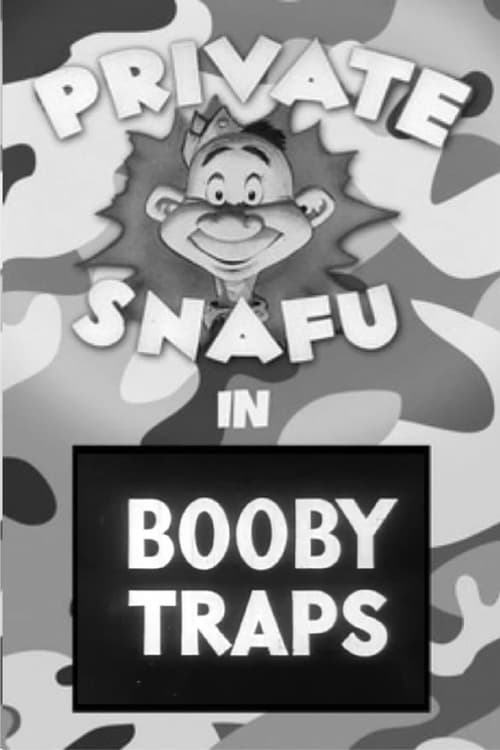
1944
No reviews yet. Be the first to share your thoughts on this movie!
Use the rating form above to leave a star rating and optional review.