A Certain Magical Index: The Miracle of Endymion
2013
No user ratings available yet
Representation score: 4.9 out of 10
Representation Score
Good
2017
Director
Risako Yoshida
Runtime
90 minutes
Average Rating
No ratings yetNew Showbiz Analysis
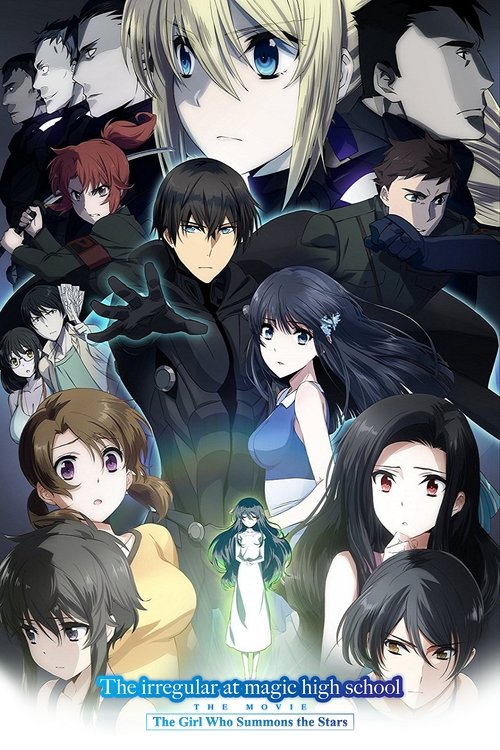
The film offers a sophisticated critique of social hierarchies, using its techno-magical setting to challenge the legitimacy of meritocratic institutions. It deconstructs class-based oppression through its 'Bloom' and 'Weed' dichotomy. However, the narrative remains limited by a homogeneous cast and a lack of LGBTQ+ themes. The focus on a specific demographic and traditional archetypes prevents a more inclusive global perspective. Ultimately, the work is a study of systemic disruption, where the struggle of the underdog challenges established social orders rather than just achieving personal triumph.
Category Breakdown
The film does not include explicit LGBTQ+ identities or same-sex intimacy. Character interactions revolve around traditional family and heterosexual relationships, with no visible non-binary gender expressions.
The narrative challenges traditional gender hierarchies by focusing on Miyuki's significant role. While Tatsuya holds tactical dominance, Miyuki's unique influence shapes the emotional and structural stakes, creating an unconventional, interdependent power balance.
The cast is predominantly homogeneous, reflecting a localized Japanese cultural context. Despite a sci-fi setting, the lack of racial blending or diverse casting limits broader representation.
The story critiques systemic stratification through a magic-based meritocracy. It prioritizes individual and familial ability to act over rigid, corrupt institutional rules, using class systems as a metaphor for inequality.
No explicit physical or neurodivergent disabilities are depicted. However, the distinction between high and low magical aptitude mirrors discussions regarding biological capability and systemic neurodiversity.
Present on Screen
Limited or Absent
Official Synopsis
In the story, the seasons have changed and it will soon be the second spring. Tatsuya and Miyuki have finished their first year at First Magic High School and are on their spring break. The two go to their villa on the Ogasawara Island archipelago. After only a small moment of peace a lone young woman named Kokoa appears before them. She has abandoned the Naval base and she tells Tatsuya her one wish.
2013
2012
2015

2006
2020
2020
2010
2018
No reviews yet. Be the first to share your thoughts on this movie!
Use the rating form above to leave a star rating and optional review.