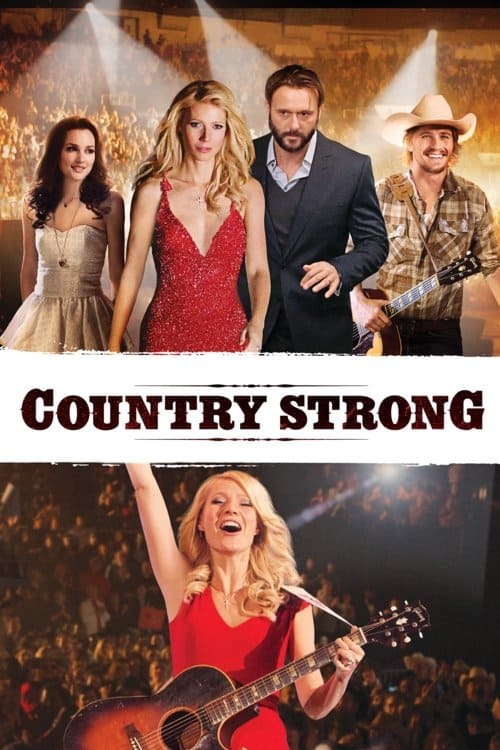
Country Strong
2010
No user ratings available yet
Representation score: 5.6 out of 10
Representation Score
Minimal
2016
RDirector
Marc Abraham
Runtime
123 minutes
Average Rating
No ratings yetNew Showbiz Analysis
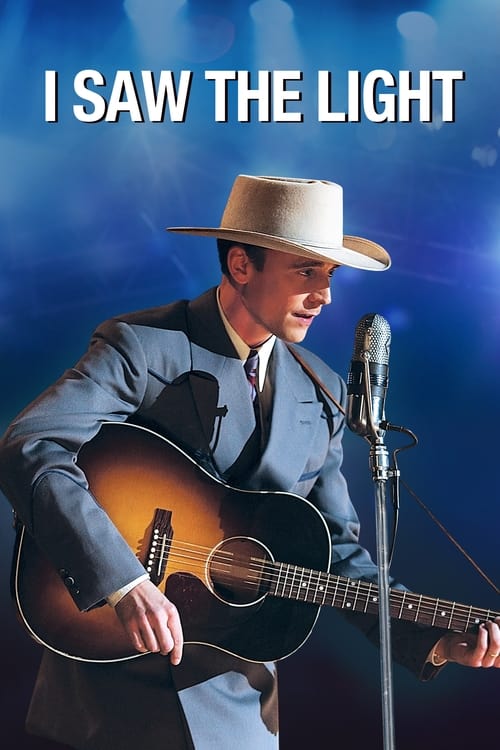
I Saw the Light is a traditional biographical drama that emphasizes historical accuracy and conventional moral structures. By sticking closely to the social norms of the 1940s, the film lacks diversity and reinforces established hierarchies.
Category Breakdown
The film follows traditional gender norms from the mid-20th century and does not include non-binary gender identities or same-sex relationships.
The film reflects the gender roles of the 1940s American South, emphasizing traditional domestic duties and male spiritual leadership.
The story focuses on a predominantly white, Southern demographic and lacks characters from diverse ethnic backgrounds.
The themes revolve around the Christian faith and spiritual redemption, presenting a conventional path of personal accountability tied to religious tradition.
The film treats alcoholism as a moral issue rather than exploring it as a disability or neurodiversity condition.
Present on Screen
Limited or Absent
Official Synopsis
Singer and songwriter Hank Williams rises to fame in the 1940s, but alcohol abuse and infidelity take a toll on his career and marriage to fellow musician Audrey Mae Williams.
2010

1954
2013
1988
2015
2015
2009
1982
No reviews yet. Be the first to share your thoughts on this movie!
Use the rating form above to leave a star rating and optional review.