Coal Miner's Daughter
1980
No user ratings available yet
Representation score: 2.5 out of 10
Representation Score
Minimal
1982
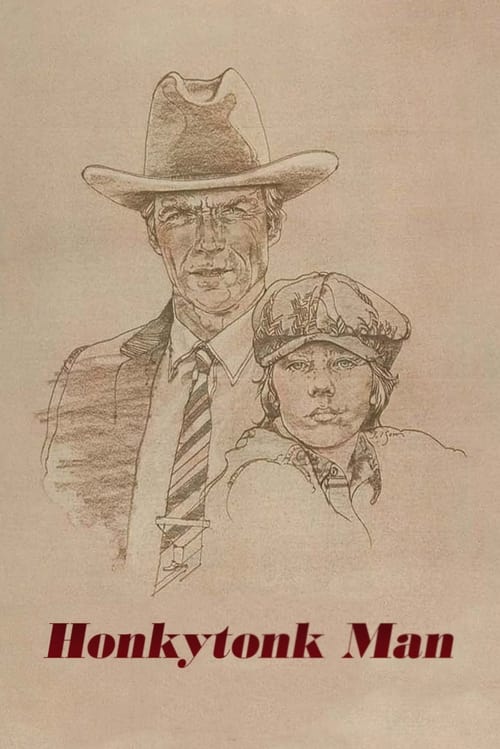
PGDirector
Clint Eastwood
Runtime
123 minutes
Average Rating
No ratings yetNew Showbiz Analysis
Honkytonk Man is a traditional character drama that upholds established social and cultural norms. The film emphasizes conventional masculinity and a homogeneous cultural perspective, offering little disruption to traditional hierarchies. The story focuses on a male protagonist's journey, reinforcing patriarchal structures. While it explores themes of fatherhood and family, it does so through a lens of tradition rather than progressive exploration. Ultimately, the film lacks diverse representation, presenting a narrow, Anglo-centric view of the Great Depression era.
Category Breakdown
The film does not include any LGBTQ+ identities or same-sex relationships. It operates within a framework that assumes everyone is straight and cisgender.
The story centers around male characters and their emotional journeys. Female characters mainly serve as romantic interests or emotional anchors for the male lead.
The social landscape is predominantly white and homogeneous. The film lacks diverse casting, reflecting the rural, Depression-era setting.
The story highlights traditional Western values and the sanctity of the nuclear family. It offers a nostalgic view of small-town life without challenging systemic issues.
There are no visible or invisible disabilities depicted in the film. Characters with disabilities are not used as central plot devices.
Present on Screen
Limited or Absent
Official Synopsis
During the Great Depression, a young boy leaves his family's Oklahoma farm to travel with his country musician uncle who is trying out for the Grand Ole Opry.
1980
1992

2013

1954

2016
1957

1987

1983
No reviews yet. Be the first to share your thoughts on this movie!
Use the rating form above to leave a star rating and optional review.