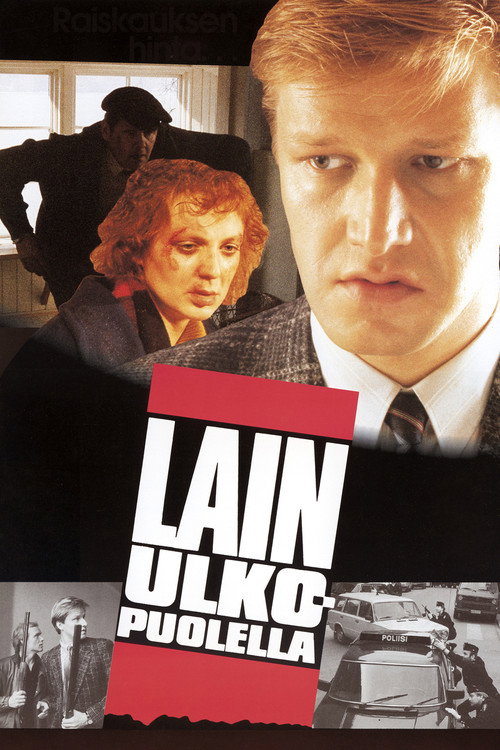
Lain ulkopuolella
1987
No user ratings available yet
Representation score: 6.1 out of 10
Representation Score
Fair
1978
Director
Jörn Donner
Runtime
99 minutes
Average Rating
No ratings yetNew Showbiz Analysis
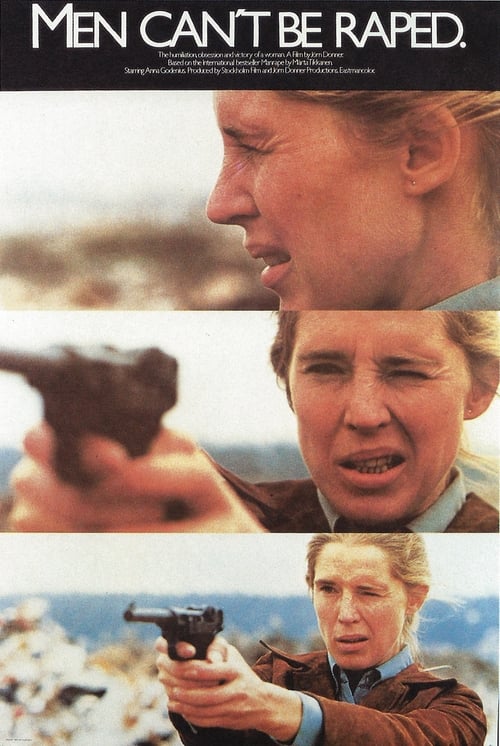
Jörn Donner’s film is a thought-provoking exploration of gendered power dynamics and the subversion of masculine archetypes. It succeeds by breaking down conventional notions of victimhood, especially through its emphasis on women's ability to drive the story and male vulnerability. However, the film falls short in terms of racial and LGBTQ+ diversity. The cast is predominantly white, reflecting the Eurocentric nature of filmmaking in the late 1970s. Ultimately, the work offers a sophisticated critique of social hierarchies and moral rigidity, though it remains narrow in its demographic representation.
Category Breakdown
The film does not include specific LGBTQ+ identities or explore non-cisgender character arcs. It focuses on power struggles and sexual trauma within a heterosexual context.
The movie centers on women's ability to drive the story and challenges traditional patriarchal views. It highlights gendered vulnerability and the complexity of victimization.
The cast is primarily composed of white actors, reflecting the Eurocentric context of its 1978 production. There is a lack of visible racial or ethnic diversity among the main characters.
The story examines moral relativism and critiques traditional Western morality and social structures. It frames justice through psychological necessity rather than religious frameworks.
The film does not significantly address physical or neurodivergent disabilities. The focus remains on psychological trauma.
Present on Screen
Limited or Absent
Official Synopsis
A woman who has been raped by a man at a party plots and executes an elaborate and humiliating revenge.
1987
1973
1975

1978

1986
1981
1982
2017
No reviews yet. Be the first to share your thoughts on this movie!
Use the rating form above to leave a star rating and optional review.