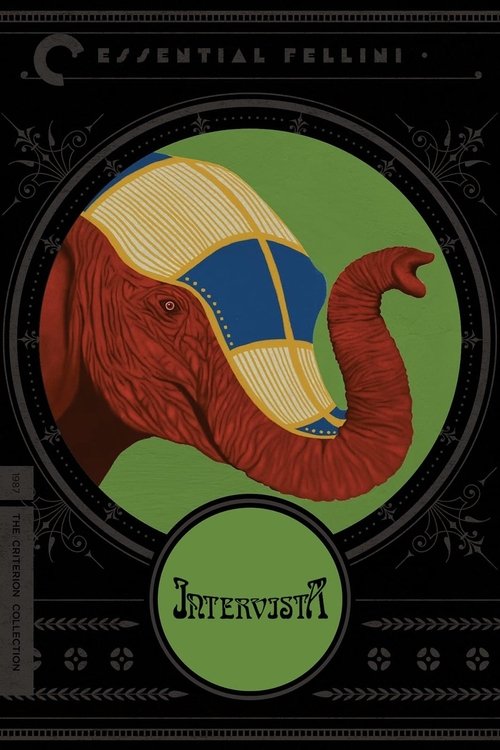
Intervista
1987
No user ratings available yet
Representation score: 5.6 out of 10
Representation Score
Fair
2007
Director
Takeshi Kitano
Runtime
108 minutes
Average Rating
No ratings yetNew Showbiz Analysis
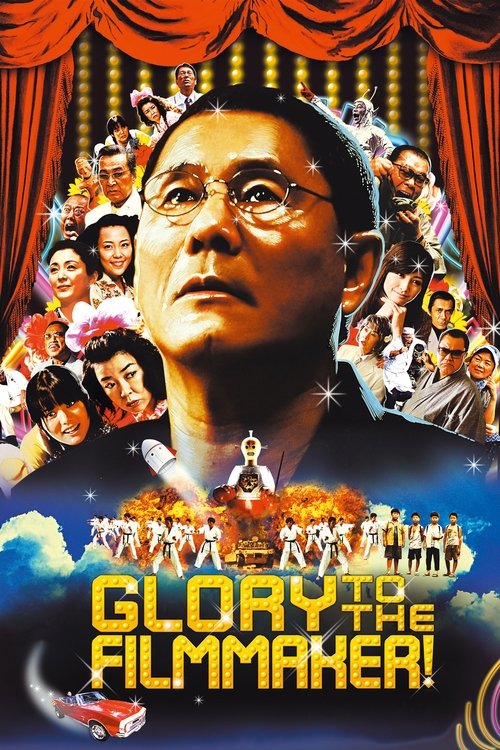
Glory to the Filmmaker! is a meta-cinematic exploration that prioritizes the deconstruction of industry clichés over explicit identity-based storytelling. By following a director cycling through various genres, the film critiques the idealized myth of the auteur and the stability of professional success. The work remains culturally specific to Japan, reflecting its origins rather than attempting a globalized demographic mix. While it lacks clear representation for LGBTQ+ or disabled characters, its strength lies in its institutional critique and subversion of traditional cinematic hierarchies. Ultimately, the film's diversity is found in its structural subversion rather than its character demographics, offering a subjective view of the filmmaking process.
Category Breakdown
The film focuses on the creative process rather than exploring LGBTQ+ identities. It does not include specific narratives or critiques related to LGBTQ+ issues.
The story revolves around a male director, emphasizing a male perspective. However, its satirical nature challenges traditional depictions of authority and gender roles.
As a Japanese production, the film maintains a culturally specific viewpoint. It avoids blending global demographics and instead focuses on the local film industry context.
The narrative questions the myth of the 'great auteur' by highlighting the absurdities of professional structures. It critiques systemic industry pressures through its genre-hopping structure.
There is no evidence regarding the portrayal of physical or neurodivergent disabilities within the film's narrative.
Present on Screen
Limited or Absent
Official Synopsis
Takeshi Kitano plays a version of himself in which he's a struggling director cycling through a number of different genres in an effort to complete his latest project.
1987

2013

2019

2018

2005

2009

2002

2011
No reviews yet. Be the first to share your thoughts on this movie!
Use the rating form above to leave a star rating and optional review.