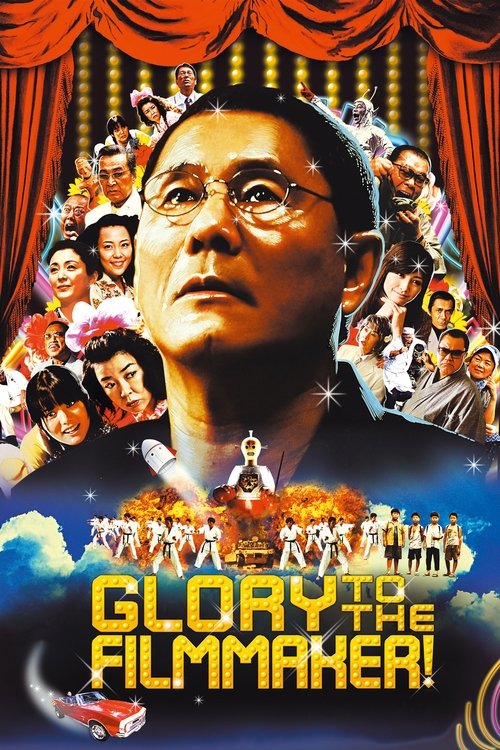
Glory to the Filmmaker!
2007
No user ratings available yet
Representation score: 5.2 out of 10

Representation Score
Excellent
2005
Director
Takeshi Kitano
Runtime
108 minutes
Average Rating
No ratings yetNew Showbiz Analysis
Takeshis' serves as a meta-cinematic deconstruction of identity and celebrity culture. By focusing on the psychological intersection between a high-profile media figure and a underrepresented civilian lookalike, the film critiques the performative nature of fame. The narrative structure disrupts the expectation of a stable, singular identity, favoring a fluid portrayal of the self through surrealism. This challenges the stability of social roles and systemic media pressures. While the film offers a sophisticated critique of social structures and class, it remains limited in its explicit representation of diverse identities, functioning more as a psychological study of the individual.
Category Breakdown
The film does not provide explicit details about sexual orientation or gender identity. However, the fragmented narrative suggests potential for exploring non-traditional identities, though it remains neutral on this topic.
The story focuses on the male experience, contrasting a celebrity with a laborer. Director Takeshi Kitano uses surrealism and psychological vulnerability to challenge traditional masculine archetypes.
As a Japanese production, the film offers a non-Western perspective, shifting focus away from Anglo-centric models to provide a culturally specific view of celebrity.
The film critiques capitalist hierarchies by comparing a showbiz celebrity with a convenience store cashier. It challenges traditional institutions through a narrative of subjective reality and psychological breakdown.
The inclusion of hallucinations suggests an exploration of neurodivergence or altered states of consciousness. This provides a potential for depicting non-normative cognitive experiences through the protagonist's actions.
Present on Screen
Limited or Absent
Official Synopsis
Beat Takeshi lives the busy and sometimes surreal life of a showbiz celebrity. One day he meets his blond lookalike named Kitano, a shy convenience store cashier, who, still an unknown actor, is waiting for his big break. After their paths cross, Kitano seems to begin hallucinating about becoming Beat.
2007

2004

2005

2012

1995

2008

1999

1999
No reviews yet. Be the first to share your thoughts on this movie!
Use the rating form above to leave a star rating and optional review.