
The Girl from Paris
2001
No user ratings available yet
Representation score: 3.7 out of 10
Representation Score
Limited
2013
Not RatedDirector
Philippe Le Guay
Runtime
104 minutes
Average Rating
No ratings yetNew Showbiz Analysis
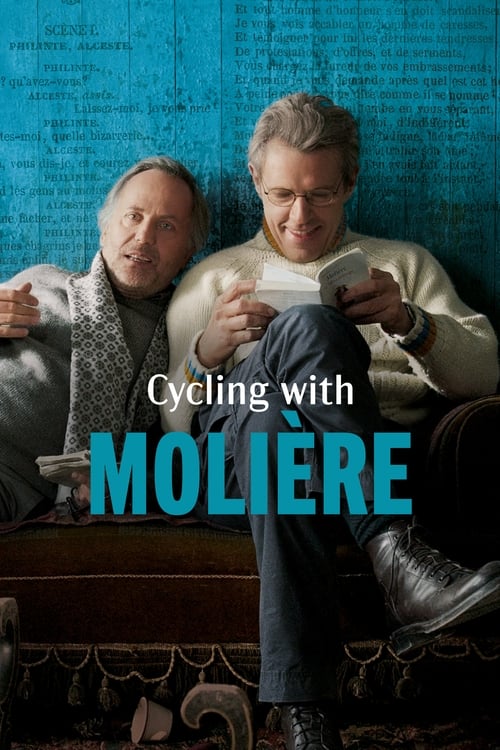
Cycling with Molière is a character-driven dramedy that emphasizes classical literary themes over social disruption. The narrative centers on the intellectual clash between two men, offering limited space for exploring diverse identities. The film adheres to traditional European cinematic conventions, focusing on a predominantly white, middle-class demographic. Women are present with their own ambitions but remain secondary to the male-led philosophical debate. Ultimately, the film serves as a culturally specific piece of French cinema. It explores human connections through a traditional lens without challenging established cultural norms.
Category Breakdown
The film does not include any LGBTQ+ characters or situations that go beyond assuming everyone is straight or cisgender. It follows a traditional approach to romantic and platonic relationships.
Female characters, like the hotel maid and the Italian divorcée, have their own motivations and goals. However, the main conflict revolves around a male-dominated intellectual debate.
The film is set in a predominantly white, middle-class European environment. It reflects the local demographics without challenging the casting norms that favor a certain demographic.
The story focuses on the complexities of aging and the classical literary tradition. It maintains a traditional view of social institutions and morality.
The film does not highlight any characters dealing with physical disabilities, neurodivergence, or chronic illnesses. Characters are portrayed within typical physical and cognitive standards.
Present on Screen
Limited or Absent
Official Synopsis
Serge Tanneur is at the pinnacle of his acting career when he decides to turn his back on show business and become a hermit living off of France’s Atlantic coast. Three years later, Gauthier Valence, a beloved TV actor, shows up on the island to offer Serge a role in his directorial debut – a rendition of Molière’s classic play, “The Misanthrope”. Serge refuses at first, but then suggests that they rehearse the first scene and after five days he’ll decide if he wants to dothe play or not. What ensues is a battle of brawn and wits and peculiar encounters with a hotel maid who longs to be a pornstar and an Italian divorcée.
2001
2007

2024
2015

2010

1979
1994
2004
No reviews yet. Be the first to share your thoughts on this movie!
Use the rating form above to leave a star rating and optional review.